
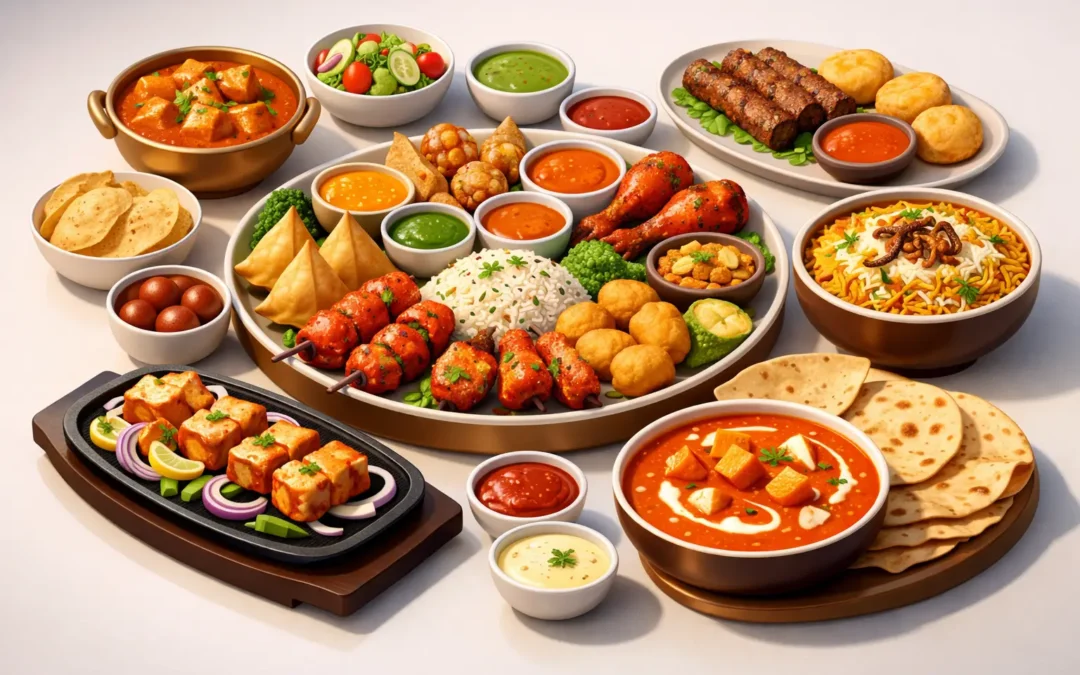
A good shared meal should feel easy from the moment it lands on the table. The best Indian sharing dishes do exactly that – plenty of variety, big flavour, and something for everyone without turning dinner into hard work. Whether you are ordering for family at home, meeting friends for a relaxed meal out, or planning food for a small celebration, Indian food is one of the most reliable ways to keep a group happy.
What makes Indian food so good for sharing is the balance. You can mix rich and lighter dishes, choose familiar favourites alongside something more regional, and build a spread that suits different appetites. One person might want a comforting curry, another might go for sizzling grills or street food, and everyone still eats well together.
What makes the best Indian sharing dishes work
Not every dish is ideal for the middle of the table. The best choices are the ones that hold their heat well, portion easily, and offer contrast in texture and flavour. You want a few dishes with sauce, at least one dry or grilled option, something fresh or crunchy, and enough rice or bread to bring it together.
There is also the question of spice. A sharing meal does not need to be mild, but it should be balanced. If every dish is rich and fiery, people tire of it quickly. A better approach is to pair one bolder dish with gentler crowd-pleasers, so the whole table keeps its appetite.
That is also why Indian street food and regional starters deserve a place in the order. They break up the heavier curries and give everyone something to pick at while the meal settles into its own rhythm.
10 best Indian sharing dishes to order
1. Mixed grill
If one dish is built for sharing, it is the mixed grill. You get variety straight away – usually chicken, lamb, perhaps seekh kebab, and pieces cooked in the tandoor with a smoky finish. It arrives with colour, aroma, and enough texture to keep the whole table interested.
This is especially good for groups where not everyone wants a full curry. It gives you a centrepiece without feeling too heavy, and it works well with naan, salad and chutneys.
2. Onion bhajis
Onion bhajis are a classic for a reason. Crisp outside, soft in the middle, and easy to pass around, they are one of the safest and smartest starters for a group. They suit diners who already know Indian food and those who simply want something familiar and satisfying.
They are also useful in a mixed order because they add crunch. When the rest of the meal leans towards sauces and rice, a good bhaji keeps the table from feeling one-note.
3. Samosas
Samosas earn their place among the best Indian sharing dishes because they are practical as well as popular. They travel well for takeaway, stay enjoyable even if your group is eating casually, and the filling gives a proper bite rather than just a snack.
Vegetable samosas are often the easiest option for mixed groups, but meat versions can be just as welcome. Either way, they are ideal when you want a starter that feels generous.
4. Chicken tikka
Chicken tikka is one of the easiest dishes to recommend for sharing because it suits so many people. It is full of flavour from marinade and spice, but it is not usually swimming in sauce, so it sits comfortably alongside richer dishes.
For couples or smaller groups, chicken tikka can bridge the gap between starter and main. Add breads, dips and one curry, and the meal already feels complete.
5. Butter chicken or a mild creamy curry
A sharing order needs at least one dish that most people will happily go back to, and this is where a mild creamy curry comes in. Butter chicken, murgh makhani, or a similar tomato-and-butter based dish brings comfort and richness without too much heat.
There is a trade-off, of course. If your table prefers sharper spice or more depth, this style of curry can feel softer than a rogan josh or jalfrezi. But for mixed ages, family meals and casual Friday takeaways, it is often the dish that disappears first.
6. Lamb rogan josh
For something fuller and more warming, lamb rogan josh is a strong sharing choice. It brings deeper spice, tender meat, and a proper curry-house feel without always pushing into very hot territory. That makes it a good middle ground for tables where people want flavour but not a challenge.
It also adds variety to the spread. If you already have chicken and vegetable dishes on the table, lamb gives the meal more range and makes the whole order feel thought through.
7. Paneer tikka or paneer curry
A good sharing order should never treat vegetarian diners as an afterthought. Paneer is ideal because it feels substantial, carries spice well, and works either from the grill or in a sauce. Paneer tikka offers char and bite, while a paneer curry brings softness and warmth.
Even meat eaters tend to reach for it, which is the real test of a strong sharing dish. It is not there to fill a gap. It earns its place.
8. Chilli chicken or Indo-Chinese street food dishes
For groups who like bolder flavours, chilli chicken or similar street food dishes can lift the whole meal. These dishes often bring heat, sweetness and sharpness in a way that feels different from standard curry choices. They are lively, great for picking at, and well suited to social meals.
The only thing to watch is balance. If you already have a hot curry and spicy starters, adding another intense dish may crowd the table. If the rest of your order is quite classic, though, this type of plate adds energy.
9. Dal makhani or another lentil dish
Dal may not be the first thing people think of when choosing dishes to share, but it is one of the most useful. A rich lentil dish brings depth, softness and comfort, and it stretches an order without feeling cheap or filler-heavy.
It is particularly good when you are feeding a family or ordering for a group at home. It holds heat well, pairs with rice or naan, and gives the meal a steadier, more rounded feel.
10. Garlic naan and pilau rice
Technically these are sides, but any honest list of the best Indian sharing dishes has to include them. A table without naan or rice rarely feels complete. Garlic naan adds warmth and flavour, while pilau rice gives structure to saucier dishes and helps everyone build a proper plate.
If you are ordering for a group, underestimating bread and rice is one of the easiest mistakes to make. It is better to have a little extra than to run short once the curries are opened.
How to build a balanced sharing order
The easiest way to build a group meal is to think in layers. Start with two starters that people can pick at straight away, such as bhajis and samosas. Then choose one grilled item, one mild curry, one deeper or spicier curry, and one vegetarian dish. Finish with rice and naan.
For four people, that is usually enough for a generous meal without over-ordering. For larger groups, it makes sense to repeat the structure rather than simply adding more curries. Variety matters more than sheer volume.
This is especially true for takeaway and delivery. Some dishes travel better than others, and a balanced order keeps everything enjoyable when you are serving it at home. Crisp starters, grilled meats, sauce-based mains and dependable sides tend to arrive in the best condition.
Best choices for different occasions
For a family meal, the safest route is mixed starters, a mild chicken dish, a lamb or house special, paneer or dal, and plenty of naan. That gives adults enough flavour while keeping the meal approachable for younger diners.
For date night or a quieter meal for two, a mixed grill or chicken tikka works well with one curry and shared sides. You get variety without the table feeling overcrowded.
For parties and casual get-togethers, larger trays of curries, rice and breads usually make more sense than lots of small individual portions. Food should be easy to serve, easy to pass around, and generous enough that no one needs to fuss over it. That is one reason Indian food works so well for private events and informal celebrations.
At Worthing Indian Cafe & Bar, that everyday flexibility matters just as much as flavour. Fresh daily cooking, authentic Indian spices and reasonable price points make shared meals easier to plan, whether you are booking a table, picking up dinner, or feeding a house full of guests.
A good shared order is not about choosing the hottest dish or the longest menu list. It is about creating a meal people keep reaching for – a mix of comfort, spice, freshness and value that turns dinner into a genuinely relaxed occasion.