
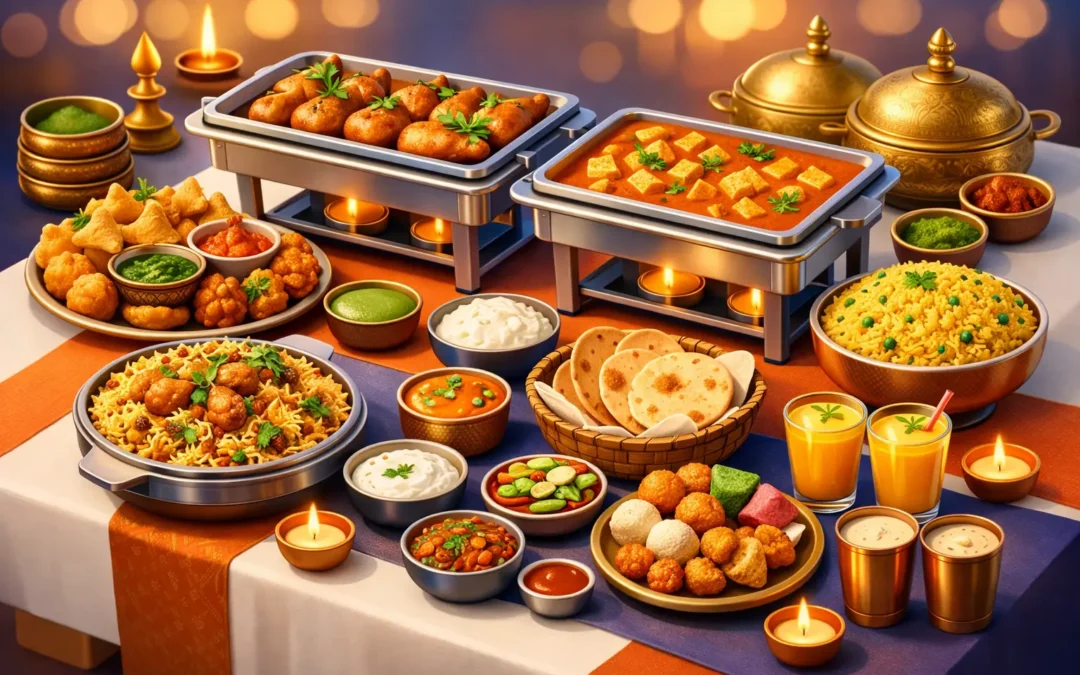
When you are feeding a room full of guests, the food needs to do more than simply arrive on time. It has to suit different tastes, feel generous, stay fresh and give people something they genuinely enjoy talking about. That is where a good guide to Indian party catering helps – not just with choosing dishes, but with getting the balance right between flavour, budget and ease.
Indian food works brilliantly for parties because it is naturally sociable. It suits sharing, offers plenty of variety and can be tailored for mixed groups without feeling limited. Whether you are planning a birthday, family gathering, office event or relaxed celebration at home, the best catering choices are usually the ones that feel abundant, approachable and well organised.
Why Indian party catering works so well
A party menu has one job: keep guests happy without making the host panic. Indian catering is a strong fit because it covers a lot of ground at once. You can offer mild and richer dishes alongside brighter, spiced options, as well as vegetarian choices that feel just as complete as meat dishes.
It also travels well when prepared properly. Curries, rice dishes, grills and street food favourites tend to hold their flavour and texture better than many cuisines that rely on last-minute plating. That matters if you are ordering for delivery, collecting food yourself or serving guests over a few hours rather than all at once.
There is also the question of value. A well-planned Indian spread can feel generous at a reasonable price, especially when you mix crowd-pleasing mains with rice, breads and starters that encourage sharing.
Start with the type of party you are hosting
The right menu depends on the kind of event, not just the number of people. A family birthday at home usually needs easy favourites that appeal across ages. An office lunch might call for neat, practical portions and a balance of familiar dishes that do not feel too heavy. An evening party often gives you more room for bolder flavours, starters and a broader spread.
Guest list matters too. A group of close friends who regularly enjoy Indian food may be happy with regional specials and stronger spice. A mixed crowd, especially one with children or guests less familiar with the cuisine, often responds better to a menu built around variety rather than heat.
This is where many hosts go wrong. They pick only their personal favourites, then realise too late that the menu is either too spicy, too rich or too narrow. Good catering is not about showing off. It is about reading the room.
A guide to Indian party catering menus
The simplest way to build a party menu is to think in layers. Start with one or two starter options, then choose a balanced mix of mains, sides and breads. You do not need a huge menu. You need enough contrast for guests to feel they have choice.
For starters, Indian party food shines when it is easy to pick up and easy to share. Samosas, onion bhajis, chicken tikka and street food favourites work well because they create that first impression of abundance without making service complicated.
For mains, a balanced selection usually beats a long list. One milder dish such as a korma or butter chicken, one medium-spiced curry, and one vegetarian option gives most groups what they need. If you know your guests enjoy stronger flavours, adding a jalfrezi, madras or regional special can lift the menu nicely.
Rice and breads are not afterthoughts. They make the meal feel complete and help guests build their own plate. Pilau rice, plain rice, naan and roti are dependable options because they suit nearly everything. If budget matters, these sides also help you cater generously without relying only on higher-cost mains.
How much food do you really need?
Portion planning is one of the biggest concerns for any host. Order too little and the event feels flat. Order too much and you waste money. The sweet spot depends on the time of day, the age of the guests and whether the meal is the main event or part of a wider celebration.
For a lunch or evening meal, most groups are comfortable with a few shared starters, around one main dish for every three to four guests if you are offering several curries, plus enough rice and bread for everyone to help themselves. If guests are likely to have larger appetites, or if it is a longer event with drinks, it is sensible to build in a little extra.
Children change the maths slightly. They usually eat smaller portions, but they also prefer simpler flavours. That can mean including a mild chicken dish, plain rice and soft naan so families feel catered for properly.
It also depends on whether you want leftovers. Some hosts do, especially for house parties and family occasions. Others want a cleaner finish with minimal waste. A good caterer should help you judge this rather than simply encouraging the biggest order.
Spice levels and dietary needs
This is where thoughtful planning makes all the difference. Indian cuisine offers a wide range of vegetarian and vegan dishes naturally, which makes it useful for mixed groups. Lentil dishes, vegetable curries, chana masala and paneer options can all stand proudly on the table rather than feeling like backup choices.
Spice level needs handling carefully. Hot food has its place, but a party menu should not leave guests guessing. It is usually better to keep most dishes mild to medium and add one hotter option for those who want it. That way, everyone can eat comfortably.
Allergies and intolerances need direct attention. Nuts, dairy and gluten can appear in more places than guests expect, so it is worth confirming ingredients in advance. If you are catering for a group with specific requirements, clarity matters more than variety.
Service style matters more than people think
The best food in the world can still feel awkward if the service style does not suit the event. Buffet-style catering is often the easiest choice for parties because it keeps things relaxed and allows guests to choose what they like. It also suits Indian food naturally, especially for informal celebrations and larger gatherings.
Plated service can work for smaller functions or more structured events, but it needs better timing and more coordination. For many local parties, especially at home or in a hired hall, that level of formality is not necessary.
Collection versus delivery is another practical decision. Collection can be useful if your venue is nearby and timing is flexible. Delivery is often the easier route if you are already managing decorations, guests and set-up. The main thing is to choose a supplier that prepares food fresh daily and can deliver consistency as well as flavour.
Budgeting without losing quality
A sensible budget does not mean a bland menu. It means knowing where value sits. Some dishes naturally stretch further and still feel generous. Rice dishes, breads, vegetable mains and classic curries usually offer reliable value, especially when combined well.
Costs can rise quickly if you order too many separate starters or go heavily into premium grilled items. Those dishes are excellent, but they are best used as highlights rather than the whole plan unless the budget allows for it.
A more affordable menu often performs better than an over-ambitious one. Guests remember whether the food was fresh, hot and full of flavour. They rarely remember whether there were eleven mains instead of five.
For local events, working with a dependable restaurant can make all the difference. Worthing Indian Cafe & Bar is a good example of what many hosts actually need – authentic Indian flavours, fresh daily preparation and practical catering that feels generous without becoming overpriced.
What to ask before you place an order
Before confirming your catering, ask how the food will be packed, how long it will stay at its best, and whether reheating is needed for any dishes. You should also ask for guidance on portions, spice levels and dietary suitability. If a caterer cannot answer clearly, that is a warning sign.
It is also worth asking how much notice they need. Weekend parties, bank holidays and festive periods fill up quickly. Ordering early gives you better choice and less stress.
The clearest sign of a good caterer is not a complicated sales pitch. It is straightforward advice, consistent quality and food that arrives as promised.
Common mistakes to avoid
One common mistake is overcomplicating the menu. Too many dishes can confuse guests and stretch the budget without improving the experience. Another is ignoring the makeup of the guest list and ordering only spicy or rich options.
Timing causes problems too. Food that arrives too early may lose heat and freshness. Food that arrives too late leaves guests waiting and the host flustered. Good planning solves more than most people realise.
Finally, do not treat catering as the last item on the list. For most parties, food is not a small detail. It is one of the main reasons people remember the event fondly.
Indian party catering works best when it feels easy for the host and generous for the guests. Keep the menu balanced, choose fresh food made well, and favour a supplier that understands both flavour and practicality. Get those basics right, and the meal will carry the celebration exactly as it should.