
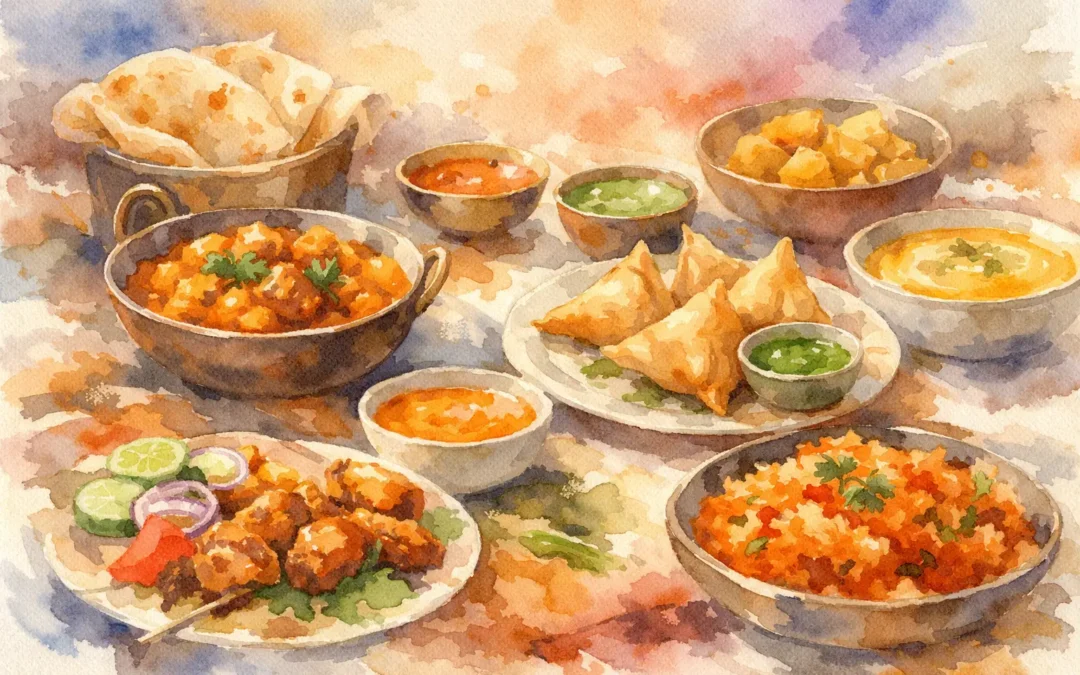
The best weeknight Indian takeaway ideas solve the 6 pm question without making dinner feel like a compromise. A good order should arrive full of fresh flavour, suit everyone at the table and leave you satisfied rather than overly full. Whether you are feeding the family, sharing a relaxed meal for two or eating after a long day at work, Indian food offers far more choice than simply picking one curry and one rice.
At Worthing Indian Cafe & Bar, we believe convenient food should still be made with authentic Indian spices, fresh daily ingredients and the care that makes a meal worth looking forward to. The right combination of curries, street food, breads and sides can turn an ordinary Tuesday into a proper evening meal at a reasonable price.
Choosing weeknight Indian takeaway ideas that work
Weeknight ordering is easiest when you choose one main dish to set the tone, then build around it. A rich curry may need plain rice or a fresh, cooling side. A dry tandoori-style dish often benefits from a saucier curry, soft naan and a little salad. If the household has different heat preferences, choose a milder shared dish and add a hotter option for the spice lovers rather than ordering every dish at the same level.
Portion balance matters too. Two mains, one rice, one bread and a side is often a comfortable starting point for two people, although appetites vary. For a family meal, adding a vegetable dish makes the spread feel more generous and gives everyone another flavour to enjoy. The aim is variety, not a table crowded with dishes that all taste alike.
12 easy Indian takeaway combinations
1. A classic curry night for two
Choose a comforting chicken curry or a lamb dish with pilau rice, plain naan and a cooling raita. This is a dependable choice when you want familiar flavours and a filling meal. If your curry has a rich, creamy sauce, plain rice is often the better partner because it lets the spices come through.
2. A mild family-friendly spread
For a mixed household, start with a mild korma-style curry or a gently spiced chicken dish, then add a vegetable curry, rice and naan. This gives younger diners and anyone who prefers less heat an easy option, while the vegetable dish brings depth to the table. Ask for a separate spicy side or chutney if some people want more kick.
3. Street food and small plates
Not every takeaway needs to be centred on a big curry. Samosas, pakoras, chaat-style dishes and other Indian street food are ideal for a lighter, sociable supper. Add a couple of breads and one saucy dish for dipping, and you have a meal that feels relaxed and varied without being too heavy.
4. The vegetarian comfort order
A paneer dish, lentil dal, seasonal vegetable curry and rice make a satisfying meat-free meal with plenty of texture. Paneer brings richness, while dal offers a gentler, warming base. This is also a smart choice when sharing with someone who does eat meat, as the dishes are substantial enough to please everyone.
5. Tandoori-style dishes with fresh sides
Grilled or tandoori-style chicken, lamb or paneer can be a brilliant choice after a busy day, especially if you want something with bold spice but less sauce. Pair it with a fresh salad, raita, naan and a small portion of rice. The contrast between smoky flavours, cool yoghurt and warm bread keeps every bite interesting.
6. A proper Friday feeling on a Wednesday
Some evenings call for a little more comfort. Pick a richer curry, perhaps with lamb or chicken, alongside a butter naan and fragrant pilau rice. Add a starter to share and slow the meal down for twenty minutes. It is still convenient, but it feels more like a treat than a rushed dinner.
7. A lighter rice-based meal
When you want an easy meal that does not feel too indulgent, choose a vegetable curry or lentil dish with steamed rice and a side salad. A tomato-based or spinach-led curry can be particularly satisfying here. Avoid ordering several creamy dishes together if you are looking for a lighter finish.
8. The spice-lover’s order
For diners who enjoy real heat, choose one dish with a stronger chilli profile, but give it balance with plain rice, naan and raita. Heat is most enjoyable when the underlying spices are still clear, not when every element competes to be the hottest. A milder shared curry means everyone can eat well, even if one person wants the fiery option.
9. A bread-led sharing supper
Naan, roti or paratha can become the centre of a casual meal when paired with two contrasting curries and dips. Choose one rich dish and one vegetable-based or tangier option, then use the breads to scoop and share. It is a particularly good format for couples or friends who prefer to try a little of everything.
10. A quick solo order with variety
Ordering for one does not mean settling for a single predictable dish. Choose a main you genuinely fancy, then add one smaller extra such as a samosa, onion bhaji or side of dal. Rice or a smaller bread portion completes the meal without leaving lots of leftovers, although leftovers can be a welcome lunch the next day.
11. A plant-forward table for everyone
Build a colourful order around dal, chickpeas, paneer or mixed vegetables, with rice, naan and a fresh side. Indian cuisine has long offered satisfying vegetarian choices, so this need not feel like an afterthought. It is a useful way to make a shared order flexible when guests have different diets or simply want more vegetables on the table.
12. The no-cooking family feast
For four or more people, choose a mix of chicken, lamb and vegetable mains, then add two rice portions, breads and a few starters. Keep at least one main mild and one a little hotter. This approach gives the table choice while still being easier to manage than asking everyone to choose a separate full meal.
A few details that make takeaway better
Think about the journey from kitchen to table. If you are collecting, aim to serve the food soon after you get home so breads stay soft and hot dishes remain at their best. If you are ordering delivery, lay out plates, glasses and serving spoons before it arrives. A simple bit of preparation makes a weekday meal feel calmer.
It also helps to tell the restaurant about dietary needs when ordering. Vegetarian, vegan, gluten-related and allergy requirements can need different preparation, so clear information gives the kitchen the best chance to guide you towards suitable choices. Menu availability can vary, and it is always worth checking if you have a specific preference.
Do not overlook leftovers. Store cooled food promptly in the fridge and reheat thoroughly when appropriate. Rice deserves particular care: refrigerate it quickly, keep it chilled and heat it until piping hot. A spare portion of curry and rice can make tomorrow’s lunch far more appealing than another shop-bought sandwich.
A weeknight meal does not need to be elaborate to feel special. Choose the flavours you are genuinely craving, add a side that brings contrast, and let fresh Indian food take the pressure off the evening.