
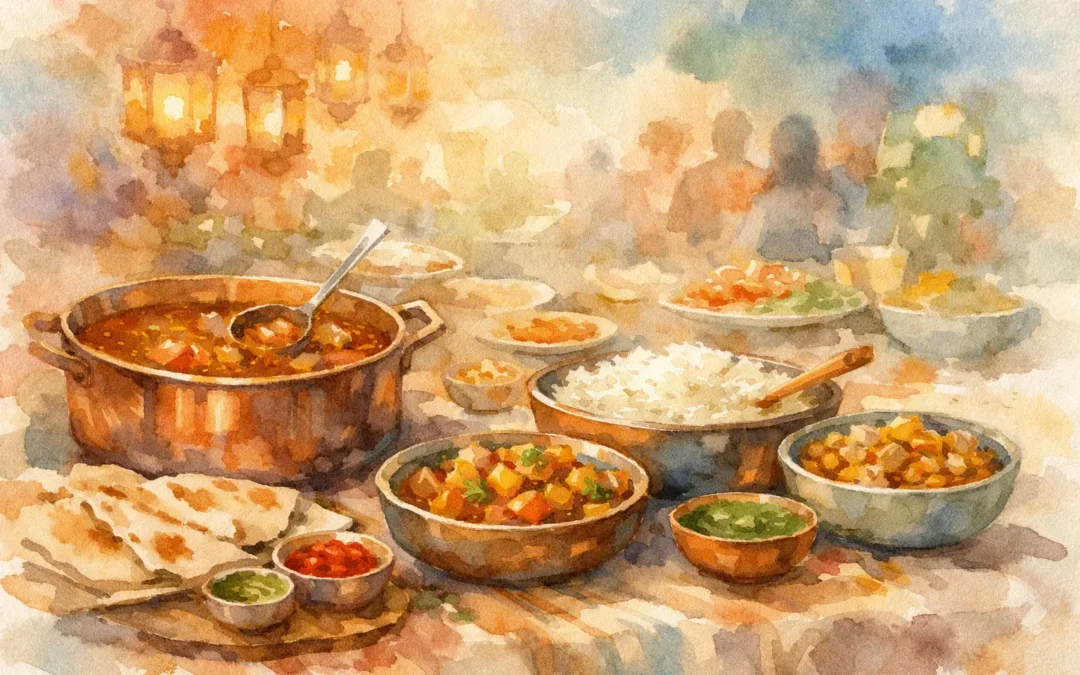
A curry party works best when the food feels generous, not complicated. The secret to how to serve curry for parties is not filling the table with every dish on the menu. It is choosing a balanced spread, keeping it properly warm, and giving guests an easy way to help themselves.
Curry is made for sharing. Fragrant sauces, freshly cooked rice, warm breads and colourful sides turn a birthday, family gathering or relaxed evening with friends into a meal people remember. With a little planning, you can serve authentic Indian flavours without spending the whole party in the kitchen.
Plan the menu around your guest list
Start with the number of people, the time of day and how formal the occasion will be. A casual evening buffet needs more choice than a seated dinner, while a lunchtime gathering may suit lighter dishes and fewer starters. For most parties, two curries plus a vegetarian option gives guests enough variety without creating unnecessary waste.
Choose one familiar, crowd-pleasing curry and one dish with a little more character. A creamy chicken tikka masala or korma is often a comfortable choice for guests who prefer mild flavours. Pair it with a richer, more aromatic option such as lamb rogan josh, chicken jalfrezi or a classic chicken curry. If your group enjoys spice, serve a hotter dish separately rather than making every curry fiery.
A proper vegetarian curry should never feel like an afterthought. Dal, chana masala, mixed vegetable curry or paneer in a rich sauce can be just as satisfying as a meat dish. It also gives flexibility for vegetarian guests and anyone who simply wants a lighter plate.
Ask about dietary needs before finalising the food. Vegetarian, vegan, gluten-free and nut-related requirements matter, particularly where sauces, breads and garnishes are involved. Clear labels beside each dish make guests feel looked after and prevent awkward guesswork at the buffet.
How to serve curry for parties buffet-style
A buffet is usually the simplest way to serve curry for parties. It keeps the atmosphere relaxed, lets people choose their preferred dishes and makes it easier for the host to enjoy the evening too.
Set the table up in the order guests build a plate. Begin with plates and napkins, followed by rice and breads, then curries, sides, salads and chutneys. Put cutlery at the end of the line so nobody is trying to hold a fork while serving hot food. Keep drinks away from the main food table where possible, as this avoids queues and spills.
Use separate serving spoons for every dish. Deep bowls or lidded serving dishes are better than wide plates for saucy curries, as they hold heat for longer and make serving cleaner. If you have chafing dishes or an electric warming tray, use them for the curries. Otherwise, bring smaller batches out from the oven or hob as needed instead of leaving one large dish to cool.
Rice needs attention too. Serve it in a covered dish or rice cooker, then fluff it with a fork before guests arrive. Naan, roti and poppadoms are at their best when served in smaller fresh batches. Wrap naan in a clean tea towel or place it in a covered basket to keep it soft and warm.
Get the portions right without over-ordering
When curry is the main meal, allow roughly one generous curry portion per person, plus enough choice for guests to try more than one dish. In practical terms, around 250 to 300 grams of curry per adult is a sensible starting point when serving rice, bread, starters and sides alongside it. Guests with bigger appetites, and groups with plenty of teenagers, may need a little extra.
For rice, plan around 75 grams of uncooked basmati rice per person, or roughly 180 to 200 grams cooked. One naan between two people is often enough when rice is available, though naan tends to disappear quickly at lively gatherings. Order extra if it is a small party where guests are likely to share and sample everything.
Starters can reduce the amount of main course needed, but they should not become a meal before the meal. Two or three pieces per person is usually plenty if you are offering samosas, onion bhajis, chicken tikka or vegetable pakoras. A few well-chosen starters create a welcoming first bite without leaving guests too full for the curries.
Sides bring freshness and texture to a rich curry spread. Raita cools spicy food, while a crisp onion salad, cucumber salad or simple green salad adds contrast. Mango chutney, mint sauce and pickle offer different levels of sweetness, heat and tang. These small additions make a takeaway-style feast feel more considered at home.
Build in mild, medium and hot choices
Not every guest enjoys the same level of heat, and that is where a thoughtful menu makes all the difference. Rather than guessing what “medium” means to everyone, offer a mild curry, a medium-spiced curry and optional chilli on the side.
Keep fresh chillies, chilli flakes or a hot sauce in a small bowl with a clear label. Guests who love heat can add it freely, while everyone else can enjoy the flavour of the spices without worrying about an unexpectedly hot mouthful. Cooling raita and plenty of water on the table are sensible additions when serving jalfrezi, madras or vindaloo-style dishes.
Authentic Indian food is about more than heat. Aromatic spices, slow-cooked onions, ginger, garlic, tomatoes and fresh herbs create depth even in mild curries. A varied menu lets every guest enjoy that flavour, whatever their spice preference.
Make the timing work for you
The easiest party food is food that can be prepared or collected before guests arrive. Set the table, label the dishes and prepare cold sides early. Then leave only the final reheating and bread warming for the last 20 to 30 minutes.
If you are cooking, make curries ahead where appropriate. Many sauces taste even better after resting, as the spices have time to develop. Cool food safely, refrigerate it promptly, then reheat until piping hot before serving. Do not repeatedly cool and reheat the same dish throughout the evening. Bring out smaller portions and replenish them instead.
If you are ordering in, arrange collection or delivery for close to serving time and transfer hot dishes straight into warmed serving bowls. For a larger celebration, a restaurant-prepared party order can take away the pressure of cooking, seasoning, portioning and timing several dishes at once. Worthing Indian Cafe & Bar can help make a group meal feel generous and authentic, with fresh daily preparation and a choice of familiar favourites and regional Indian dishes.
Give the table a relaxed, generous feel
You do not need formal place settings to make curry look inviting. A clean tablecloth, colourful bowls, simple labels and a stack of warm plates are enough. Use small bowls for chutneys and pickles, and keep a spare stack of napkins nearby because curries and breads are happily hands-on food.
Avoid overcrowding the table. If space is tight, put starters out first, then clear them before serving the main buffet. This gives every dish room to look appealing and keeps the party moving naturally from one course to the next.
Dessert can be simple. Gulab jamun, kulfi, mango lassi or fresh fruit provide a sweet finish without demanding more time in the kitchen. Tea or coffee after the meal is a welcome option, especially for an afternoon celebration or a dinner that runs late.
The best curry parties are not about perfect presentation. They are about warm food, clear choices and the pleasure of everyone going back for one more spoonful of their favourite dish.