
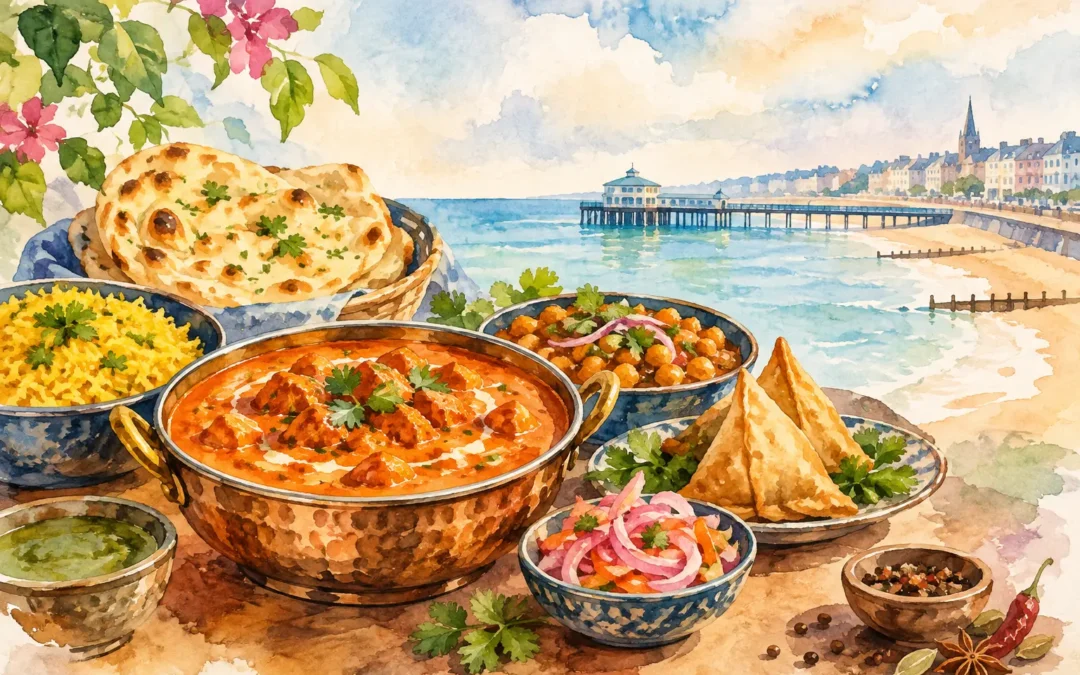
The most exciting Indian food trends are not about replacing the curries people already love. They are about bringing more of India’s regional flavour, vibrant street-food cooking and fresh everyday choices to the table. For diners in Worthing, that means more variety when eating out, ordering a midweek takeaway or planning a relaxed meal with friends.
Indian cuisine has always had enormous range. A creamy North Indian curry, a crisp South Indian snack and a tangy dish inspired by Mumbai can all use very different ingredients, spices and cooking styles. That variety is becoming easier to find, while the things that matter most remain the same: fresh daily ingredients, traditional spices, generous flavour and a reasonable price.
Indian Food Trends With Real Flavour
Food trends can sometimes feel like short-lived social media moments. The better ones have staying power because they make a meal more interesting without making it less satisfying. Across Indian dining, the strongest changes are rooted in familiar cooking traditions, not novelty for its own sake.
Regional dishes are taking centre stage
For years, many British diners knew Indian food mainly through a small group of restaurant favourites. Chicken tikka masala, korma, madras and jalfrezi still earn their place on the menu, especially when a comforting, dependable meal is what you fancy. But more people now want to try the regional dishes behind the wider story of Indian cooking.
India’s food changes from region to region, shaped by local produce, climate and community. Northern cooking often makes rich use of dairy, tandoor cooking and warming spice blends. Southern dishes can bring coconut, curry leaves, mustard seeds and brighter, sharper flavours. Coastal recipes may lean into tamarind, chilli and seafood, while street-food traditions add crunch, heat and tang in one memorable bite.
This trend is good news for anyone who enjoys choice. You do not need to order the hottest dish on the menu or move far from your usual favourite. A regional starter, a different bread or a side dish can be an easy way to try something new alongside a classic curry.
Street food is becoming part of the main event
Indian street food has the energy of a busy market: quick, colourful and built around layers of flavour. Chaat, samosas, pakoras and crisp bites topped with chutneys are increasingly popular because they offer something different from a standard starter.
The best street-food dishes balance contrast. There may be crunchy pastry, soft potato, cooling yoghurt, fresh herbs, sweet tamarind and warming spices in the same plate. That makes them ideal for sharing at the table, ordering for a casual get-together or adding variety to a takeaway spread.
There is a practical side too. Street-food style dishes suit how many people eat now. A couple may want a few small plates before a curry. Families may prefer several crowd-pleasers that everyone can share. For a party or work gathering, a varied selection gives guests more to enjoy than one large dish each.
Vegetarian food is chosen for flavour, not compromise
Vegetarian Indian food has never been an afterthought in Indian homes and it should not be treated that way in restaurants. Dishes based on lentils, chickpeas, paneer, vegetables and potatoes can be deeply satisfying, full of texture and naturally rich in spice.
This is one of the most useful trends for mixed groups. A well-prepared vegetable curry can stand confidently beside lamb, chicken or fish. Dal brings comfort and depth. Chana dishes offer a hearty bite. Paneer works beautifully with creamy sauces, peppers, spinach and smoky tandoor flavours.
For diners looking to eat less meat, the appeal is simple: they can enjoy a filling meal with proper flavour, rather than settling for a limited alternative. It also helps when ordering for a group, as vegetarian dishes are easy to share and bring more balance to the table.
Freshness Matters More Than Fads
The growth of Indian food trends has made diners more curious, but it has also made them more selective. A dish needs more than an interesting name. It should taste fresh, arrive well and offer value for money.
Freshly prepared ingredients make a clear difference. Onions, tomatoes, ginger, garlic, herbs and handpicked vegetables build the base of countless dishes. When spices are handled with care, they bring warmth, fragrance and depth rather than simply heat. A good curry should have character from the first spoonful to the last.
This is especially important for takeaway and delivery. Food needs to travel well without losing its texture or balance. Rich curries, grilled tandoor dishes, rice, breads and sides each have a part to play. A smart order mixes familiar favourites with one or two dishes that add contrast, such as a crunchy starter, a lighter vegetable side or a fresh chutney.
Value remains important too. Trying new flavours should not mean paying premium prices for small portions or confusing menu descriptions. The best local Indian dining keeps things approachable: authentic food, clear choices and dishes made to suit an ordinary Tuesday as much as a birthday meal.
Classic Curries Still Have Their Place
New flavours do not mean giving up the dishes people return for time after time. Classic curries are classics because they work. They are comforting, generous and easy to match with rice, naan or a favourite side.
The current shift is less about choosing between a traditional curry and something new. It is about building a better meal around what you already enjoy. If you usually order a mild, creamy curry, try adding a spiced vegetable side or a crisp pakora. If a hotter curry is your usual choice, balance it with cooling yoghurt, fragrant rice or a mild lentil dish.
Heat is also becoming more personal. Some diners want a powerful chilli kick, while others prefer aromatic spices without too much fire. Neither approach is more authentic than the other. Good Indian food is about balance, and a dish should suit the person eating it.
How to Order Around These Indian Food Trends
A little variety makes a shared order feel more special, whether it is for a quiet night at home or a table of friends. Start with something crisp or snackable, then choose a mix of mains rather than several similar curries. One familiar choice, one regional or street-food inspired dish, and one vegetarian option is often a strong combination.
Think about texture as well as flavour. A saucy curry benefits from fluffy rice or fresh naan. Tandoor-cooked dishes bring a smokier, charred note. A tangy chutney or a fresh side can cut through richer sauces. These small choices make a meal feel complete without over-ordering.
For larger groups, it pays to ask what people actually enjoy before choosing. Some guests will want mild food, some will avoid dairy and others may be keen to try something hot. A varied order is more welcoming than assuming everyone wants the same thing. It also makes parties and functions easier to organise, with plenty of dishes that can be shared around the table.
A Better Everyday Way to Enjoy Indian Food
The strongest food trend is not a single dish. It is the growing idea that Indian food can fit any occasion. It can be a quick click-and-collect meal after work, a relaxed dine-in evening, a family takeaway or food prepared for a celebration. There is room for the curry you know by heart and the street-food dish you have not tried yet.
At Worthing Indian Cafe & Bar, the focus stays on what makes that choice worthwhile: authentic Indian spices, fresh daily preparation and welcoming food at a reasonable price. Next time you order, keep your favourite on the table, then add one new flavour alongside it. That is often where the best meal begins.