
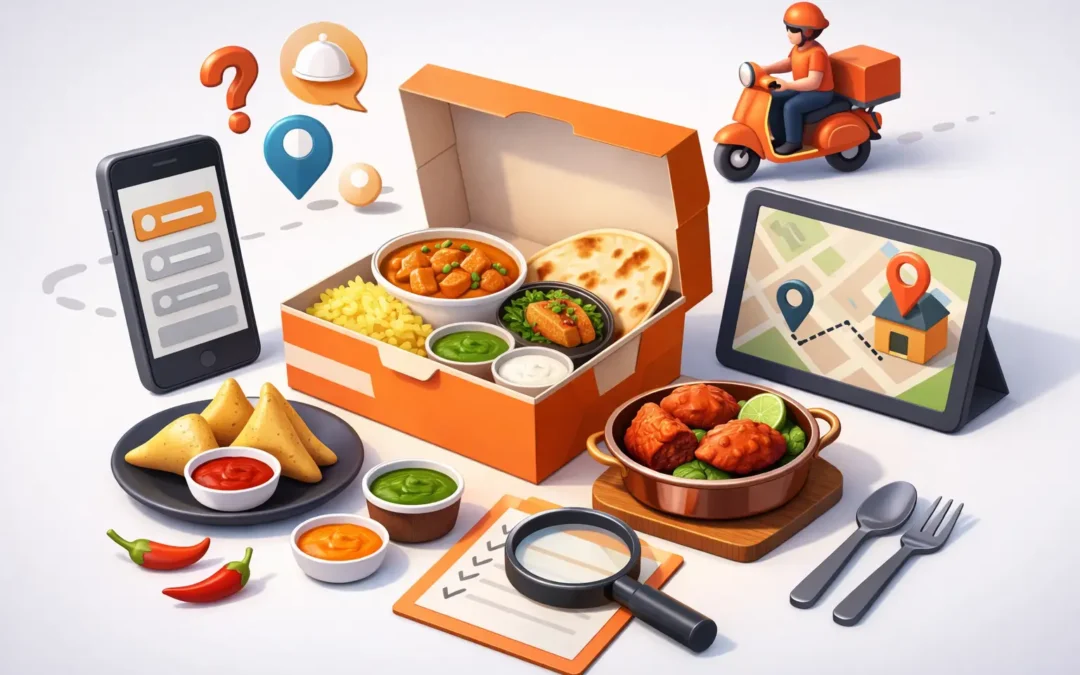
Staring at an Indian takeaway menu when you’re hungry is not the best time to make complicated decisions. There are familiar favourites, regional dishes, breads, rice, starters and spice levels to think about – and if you’re ordering for more than one person, it gets even trickier. If you’ve ever wondered how to order Indian takeaway without ending up with too much food, not enough sides or a dish that is far hotter than expected, a little planning makes all the difference.
A good takeaway should feel easy. You want fresh food, authentic Indian spices, generous flavour and a reasonable price, whether you’re ordering a quick midweek dinner, feeding the family or sorting food for friends. The key is knowing how to build a balanced order that suits the people eating it.
How to order Indian takeaway for the best meal
The first step is to think about the occasion, not just the menu. Ordering for yourself on a Tuesday night is different from ordering for a couple on a Friday or a group at the weekend. One person might want a single curry, rice and perhaps a starter. A family or small group usually does better with a mix of dishes to share, so everyone gets variety without doubling up on the same flavours.
It also helps to decide what matters most before you start. Some customers want mild, comforting dishes. Others want proper heat and bold spice. Some are looking for value and a filling meal, while others want a more varied spread with street food, breads and sides. None of these are wrong choices, but knowing your priority stops the order becoming random.
Start with the main dishes
Most Indian takeaway orders are built around one main dish per person, or around several mains shared between two to four people. If you’re not sure where to begin, think in terms of flavour style rather than trying to decode every dish name at once.
Creamy, milder curries are often a safe choice for anyone who likes warmth without too much chilli. Rich tomato-based dishes tend to be popular because they feel familiar and satisfying. Medium-spiced curries usually give you more depth from the spice blend without becoming overpowering. If you enjoy stronger heat, choose dishes known for a sharper chilli kick, but be realistic about who else is eating. Ordering every dish hot can leave the whole meal feeling one-note.
A better approach is balance. If two people are sharing, one mild or medium curry and one stronger dish often works well. For a group, choose a range – perhaps a chicken dish, a lamb or beef option, one vegetarian curry and one dish with more heat. That way the table feels generous, and everyone has something they will enjoy.
Don’t overlook vegetarian options
A common mistake is treating vegetarian dishes as a backup. In a good Indian takeaway, they are often some of the most flavourful items on the menu. Lentils, chickpeas, paneer and mixed vegetable dishes can bring texture and spice in a different way from meat curries, and they help create a more rounded order.
This is especially useful for mixed households or group orders. Even if nobody is vegetarian, adding one vegetable-based dish can lighten the meal and stop it feeling too heavy. It also gives better value, as these dishes are often filling and easy to share.
Getting spice levels right
One of the biggest worries when deciding how to order Indian takeaway is heat. People often assume they need to choose either very mild or very hot, but the best Indian food is not just about chilli. It’s about layers of flavour from traditional spices, fresh ingredients and careful cooking.
If you’re unsure, medium is often the smartest place to start. It usually gives enough warmth to feel authentic and satisfying without taking over the meal. If you know you prefer milder food, say so when ordering if that option is available. If you love hotter dishes, choose one as part of the order rather than making everything fiery.
This matters even more if you’re ordering for children or for people with different preferences. A meal works better when there is choice. A mild main, a medium curry and one hotter option can cover most tastes comfortably.
Ask yourself what you actually enjoy
There is no prize for ordering the hottest curry on the menu if you spend the evening reaching for water. Equally, if you enjoy bold spice, ordering only very mild dishes can be disappointing. Be honest about your own taste. If you like aromatic, creamy or buttery flavours, go that way. If you want smoky, tangy or chilli-led dishes, choose those with confidence.
A takeaway should suit your appetite, not somebody else’s idea of what you ought to order.
Rice, naan and sides matter more than people think
A great curry can still feel incomplete if the rest of the order is off. Rice and bread are not afterthoughts. They are what turn a dish into a full meal.
For one person, one rice is usually enough alongside a main, especially if you’re also having naan or a starter. For two people sharing a couple of mains, one or two rice portions plus a naan often works well, depending on appetite. Groups usually benefit from a few shared breads and a mix of rice rather than everyone ordering separately. It saves money and creates a better spread.
Starters and small plates are where you can add variety. Onion bhajis, samosas, tandoori items or Indian street food-style dishes can make the meal feel more complete, particularly on a Friday night or when friends are over. The trade-off is cost and quantity. If you’re after a simple, affordable dinner, you may not need starters at all. If the takeaway is part of a more social evening, they are often worth it.
Sauces, dips and extras
These can make a bigger difference than expected. A cooling yoghurt-based side, pickles or chutneys can help balance richer or spicier dishes. They are especially useful if you’ve ordered a mix of mains with different heat levels. You do not need lots of extras, but one or two thoughtful additions can improve the meal.
Ordering for one, a couple or a group
The best order changes with the number of people eating. For one person, keep it simple and avoid over-ordering. A main with rice or naan is often enough, with a starter only if you’re particularly hungry. Indian takeaway can be generous, so ordering too much is easy.
For couples, variety usually beats duplication. Two mains that contrast with each other, one rice, one naan and perhaps a starter to share often gives a better experience than ordering the same style of dish twice.
For families or groups, think about the table as a whole. Try to include a spread of flavours and textures – perhaps one creamy dish, one tomato-based curry, one drier grilled or tandoori option, one vegetable dish, shared rice and breads. This makes the meal feel more generous and suits different appetites.
If you’re feeding a group for a gathering or celebration, practicality matters too. Choose dishes that travel well, are easy to share and cover a range of preferences. That is usually better than trying to make every order highly personalised.
Delivery or click and collect?
When thinking about how to order Indian takeaway, the collection method matters. Delivery is ideal when convenience is the priority. After a long day, having fresh food brought to your door is hard to beat. It is the easiest option for family nights in, work-from-home evenings and relaxed weekends.
Click and collect can be the better choice if you want more control over timing or you live nearby. It is often useful when you’re collecting on the way home or ordering for a set mealtime. It can also be a good option if you want the food as fresh as possible straight from the kitchen.
Neither is always better. It depends on your evening, your schedule and how quickly you want to eat.
Check the menu with purpose
A large menu can be a strength, but only if you use it well. Start with what you know you need – mains, rice, breads, maybe a starter – then add one or two extras if they genuinely improve the meal. Avoid the trap of adding items just because they sound good in the moment.
It also helps to read dish descriptions properly. A name alone may not tell you whether something is creamy, dry, tangy, grilled or rich. A few extra seconds choosing carefully can save disappointment later.
If you are ordering from a trusted local restaurant such as Worthing Indian Cafe & Bar, consistency should make this easier over time. Once you know which flavours and portion sizes suit you, future orders become much simpler.
A few common mistakes to avoid
The most common issue is over-ordering. Indian takeaway is often generous, especially once rice and breads are added. The second mistake is ordering too many dishes in the same style, which can make the meal repetitive. The third is ignoring spice balance, then realising halfway through that everything on the table is either too mild or too hot.
Another easy mistake is forgetting who the food is for. Ordering for adults is different from ordering for children, and a quiet dinner is different from a social spread. Matching the order to the occasion usually matters more than choosing the most adventurous dishes.
A well-chosen Indian takeaway should feel satisfying from the first bite to the last. Pick dishes that balance each other, order enough without going overboard, and choose the service option that fits your evening. When you keep it simple and purposeful, a fresh, flavour-packed meal at home becomes an easy win.