
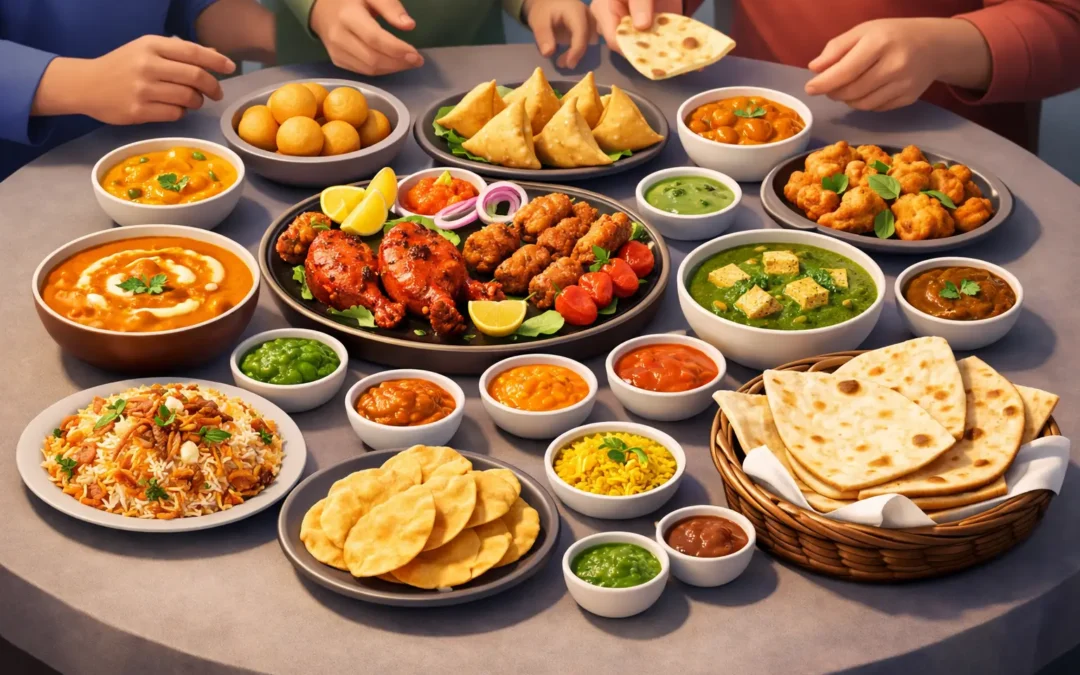
Planning food for a group sounds easy until everyone wants something different. That is exactly why the best Indian food for groups tends to work so well – it is built for sharing, full of variety, and flexible enough to suit mild, medium and spicy tastes in one order.
Whether you are arranging a family meal, a casual get-together with friends, a work night in or food for a small celebration, Indian dishes make it easier to feed everyone properly. You are not limited to one style of meal. You can mix street food, grills, classic curries, rice, breads and sides so the table feels generous without becoming complicated.
Why Indian food works so well for group dining
The biggest advantage is variety. In a group, there is always someone who wants rich and comforting food, someone who prefers grilled dishes, someone who likes heat, and someone who wants to keep it mild. Indian menus naturally cover all of that.
It also helps that many dishes are designed to sit at the centre of the table and be shared. A few curries, a selection of breads, fragrant rice and some starters can feed a group far better than ordering one individual meal each. It feels more sociable, and it usually gives better value as well.
There is also a practical side. Group food needs to travel well if it is being delivered or collected. Curries, rice dishes and tandoori items generally hold their flavour and texture well, which makes Indian takeaway a dependable option when everyone is eating at home, in the office or at a party venue.
Best Indian food for groups: start with dishes made for sharing
If you want the order to feel easy and generous, begin with food that gets everyone reaching in. Indian street food and starters are perfect for that. Onion bhajis, samosas, pakoras and poppadoms with chutneys give people something to enjoy straight away without waiting for the main event.
For groups, mixed starters often make more sense than repeating the same dish several times. A varied starter spread keeps the table lively and helps guests find something they enjoy. This matters even more if not everyone knows the menu well.
Tandoori platters and mixed grills are another strong choice. They bring colour, texture and a bit of theatre to the meal, while offering a lighter contrast to richer curries. If your group includes people who prefer meat without a sauce-heavy dish, these options usually go down very well.
Choose curries with a balance of flavours and heat
The best group order is rarely built around all-hot or all-mild dishes. A better approach is balance. Pick one creamy or mild curry, one tomato-based option, one richer slow-cooked dish and one with a bit more spice. That way everyone has a place to start.
A classic korma or butter-style dish is useful for guests who enjoy gentle spice and a smoother sauce. It is often a reliable option for children and for diners who want flavour without too much heat. On the other hand, a jalfrezi, madras or vindaloo suits the people in the group who want something bolder. You do not need several very hot curries – one is usually enough.
In the middle, dishes such as tikka masala, bhuna, rogan or dopiaza tend to keep the widest range of diners happy. They have depth and warmth without becoming overpowering. For many groups, these are the safest choices because they feel familiar, satisfying and easy to pair with rice and naan.
If you are ordering for six or more people, it often helps to think in categories rather than specific favourites. One mild, two medium, one hot and one dry or grilled dish usually creates a better spread than ordering five similar curries.
Do not overlook vegetarian dishes
A strong group order should never treat vegetarian food as an afterthought. Some of the most satisfying Indian dishes are vegetarian by design, and they add variety even when everyone at the table eats meat.
Chana masala, saag paneer, dal, vegetable curry and aubergine-based dishes can all bring something different to the table. Lentil dishes in particular are excellent for groups because they are hearty, affordable and easy to share alongside rice and breads. Paneer dishes also work well when you want something substantial but not too heavy.
There is a value benefit here too. Adding a couple of vegetarian mains can round out the order without pushing the cost up too quickly. That helps when you want plenty of choice at a reasonable price.
Rice and breads are what make the meal feel complete
People often focus on the mains and leave the starches as an afterthought, but this is where group orders can fall short. Too little rice or naan and the meal feels skimpy, even when there is plenty of curry.
For most groups, plain basmati rice is essential because it works with everything. Pilau rice adds fragrance and colour, while mushroom rice or egg fried rice can be useful if you want one or two more substantial sides. It is usually better to mix simple rice with one flavoured option than to overcomplicate it.
The same goes for breads. Plain naan is the safest all-rounder, while garlic naan is usually the first extra choice people go for. Chapatis or rotis can be helpful if some diners want something lighter. If the group loves rich food, a peshwari naan can add a sweeter contrast, but it is more of a selective order than a universal one.
A simple rule works well here: order more bread than you think you need, and make sure there is enough plain rice to carry the sauces. It makes the whole meal more generous and more relaxed.
Best Indian food for groups at home or at a party
When food is being delivered for a group, practicality matters as much as flavour. The best dishes are the ones that still eat well after the journey. Saucy curries, biryanis, rice dishes and sturdy starters tend to perform better than anything that relies on being piping hot and crisp for only a few minutes.
That does not mean you have to play it safe. It just means the order should be sensible. A mixed selection of curries, biryani for one part of the table, plenty of sides and a few dependable starters usually lands better than a long, fussy order filled with individual preferences.
For birthdays, family get-togethers and informal celebrations, Indian food also removes some of the stress from hosting. People can serve themselves, go back for seconds and try different combinations. It keeps the atmosphere easy. At Worthing Indian Cafe & Bar, that same everyday approach to fresh daily cooking and authentic Indian spices is what makes group meals feel generous without becoming overcomplicated.
How much should you order for a group?
It depends on the group, but a common mistake is ordering too many mains and not enough accompaniments. If everyone is sharing, you do not necessarily need one curry per person.
For a group of four, three mains plus rice, breads and a couple of starters is often enough if appetites are average. For six people, four to five mains with a good mix of rice and naan usually works well. Larger groups may need extra starters and sides more than extra curries, especially if there are children or lighter eaters included.
Biryani can also help anchor a larger order. It is filling, travels well and gives the table something a little different from standard curry-and-rice combinations. If one or two people in the group prefer a complete dish of their own, biryani often solves that neatly.
A few trade-offs worth thinking about
The best Indian food for groups is not always the same as the best food for one person. A very hot curry might be perfect for an individual meal but less useful at a mixed table. Likewise, very rich dishes can be popular at first and then feel heavy if the whole order leans that way.
That is why balance matters more than showing range for the sake of it. Too many similar sauces can make the meal blur together, but too many contrasting dishes can feel disjointed. The sweet spot is familiar, varied and easy to share.
It is also worth thinking about your group itself. Families may want milder dishes and more rice. Friends sharing over drinks may lean towards street food, grills and bolder curries. Office lunches and working dinners usually need dependable dishes that travel well and suit different spice levels. The right order depends on the occasion as much as the menu.
If you want your group meal to land well, think generous rather than complicated. Start with sharers, choose a balanced mix of curries, add proper rice and breads, and make room for a few vegetarian dishes. When the food is fresh, authentic and sensibly chosen, everyone gets something they enjoy and the whole table feels looked after.