
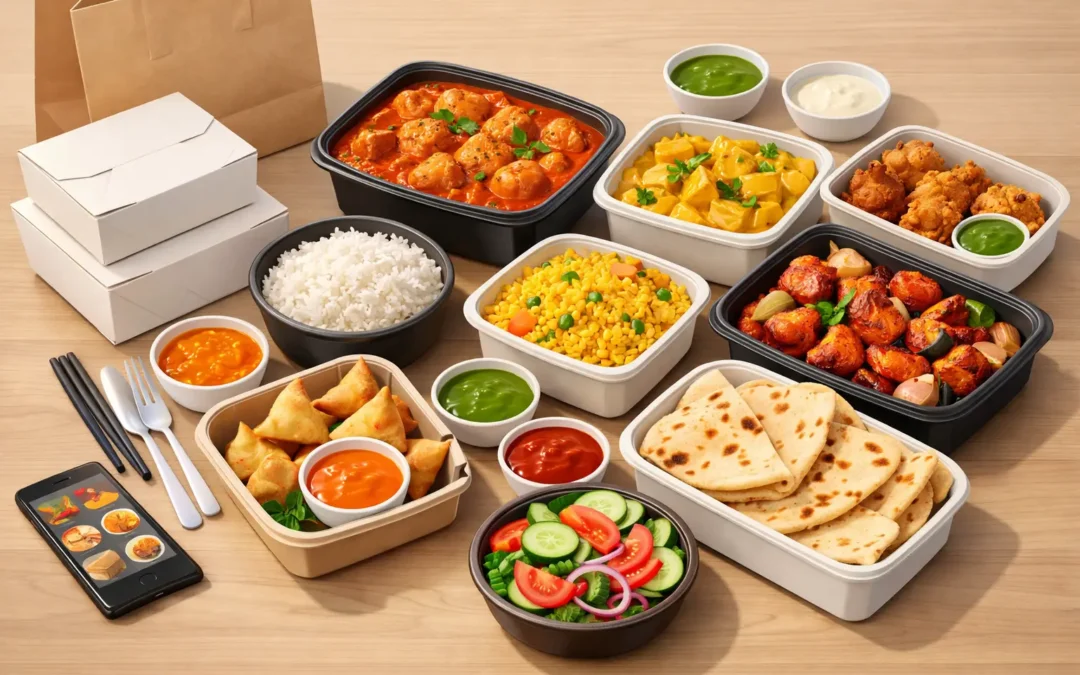
A good family curry order example usually comes down to one simple question – how do you keep everyone happy without ordering far too much or ending up with five dishes that all taste the same? For most households, the best answer is balance. You want a mix of mild and medium curries, familiar sides, enough rice and bread to share, and one or two dishes that bring a bit of variety to the table.
When a family meal is planned well, Indian takeaway works brilliantly. It feels generous, it suits different appetites, and it gives everyone choice. The trick is not ordering at random. A thoughtful order makes the meal feel better value, reduces waste and helps you cover children, spice lovers and anyone who prefers something rich rather than hot.
A simple family curry order example
If you are ordering for two adults and two children, or two adults and two lighter eaters, a reliable family curry order example would be one mild curry, one medium curry, one chicken starter to share, two rice dishes, one naan and one vegetable side.
That might look like a korma or butter-style curry for the milder option, a chicken tikka masala or bhuna for the medium choice, onion bhajis or chicken tikka as the starter, pilau rice plus plain rice, a plain or garlic naan, and a side such as saag aloo or Bombay potatoes.
This works because it covers different tastes without becoming too complicated. The mild curry gives children or less adventurous eaters an easy option. The medium dish keeps flavour high for adults who want a bit more spice. The rice and naan stretch the meal naturally, while the vegetable side stops the order feeling too heavy.
For a family of five or for hungrier eaters, the same idea still applies, but you would usually add a third main. In that case, go for contrast. If you already have a creamy curry and a tomato-based curry, add something deeper and drier such as a jalfrezi, rogan or madras, depending on how much heat your group enjoys.
How to build a family curry order that actually works
The easiest mistake with a family takeaway is choosing only by individual favourites. That sounds sensible, but it can leave you with too many similar sauces, not enough rice, or no dish that younger diners will touch. A better way is to build the order in layers.
Start with the mains. For most families, two to three curries is enough. Think in terms of flavour range rather than just spice level. One creamy dish, one tomato or onion-based dish, and one richer or hotter option gives the table more variety. Chicken is often the safest shared choice, while lamb or paneer can add something different if the group already knows what they like.
Then think about who is eating. If there are children involved, a mild dish matters more than a spicy one. If one adult likes heat, that can often be handled with a single stronger curry rather than making the whole order hot. If someone prefers vegetarian food, it is worth choosing a vegetable or paneer main that feels like a proper centrepiece rather than treating it as an afterthought.
Sides matter just as much. Rice is essential, but not every rice needs to be flavoured. A combination of one pilau and one plain rice is often enough for four people. Naan helps turn the meal into a shared spread, but you do not always need one per person. For many families, one or two naans to tear and share is plenty.
Best curry choices for mixed family tastes
Some dishes are naturally easier for shared family meals than others. Korma is a familiar mild option and often works well for younger eaters or anyone who wants a gentler meal. Tikka masala is another dependable crowd-pleaser because it has warmth and flavour without being too fiery.
Bhuna is a good middle ground if you want something less creamy but still approachable. It has depth and spice without going too far for most people. Rogan also works well in family orders because it brings a richer tomato-based flavour that pairs nicely with milder dishes on the table.
If your household enjoys more heat, jalfrezi or madras can be added, but these are usually best as one dish among milder options. That way the whole order stays balanced. Vindaloo can suit some groups, but for many family meals it is too hot to be practical unless everyone already knows what to expect.
Vegetarian dishes deserve a proper place in the order, not just a supporting role. Saag paneer, chana masala or vegetable curry can add colour, texture and variety while keeping the meal affordable. They are also useful when one order needs to suit a mix of meat eaters and vegetarians.
A few ready-made family curry order examples
For a mild family meal, order a chicken korma, chicken tikka masala, pilau rice, plain rice, a plain naan and onion bhajis. This suits households with children and anyone who prefers gentle spice.
For a more balanced spread, try chicken tikka masala, lamb bhuna, saag aloo, pilau rice, mushroom rice and a garlic naan. This gives you creamy, rich and earthy flavours without going too hot.
For a family that likes stronger spice, choose chicken korma, lamb jalfrezi, a vegetable curry, two rice dishes and a naan. The mild dish keeps the order accessible, while the jalfrezi gives the spice lovers what they want.
For a vegetarian-friendly table, paneer curry, chana masala, saag aloo, pilau rice, plain rice and a peshwari or plain naan can be a very satisfying order. If one or two people want meat as well, add a single chicken main rather than rebuilding the whole meal.
How much food should a family order?
This depends on appetite, age and whether the meal is lunch or dinner. For four people, two mains and several sides can be enough if everyone eats lightly. For most evening meals, though, three shared dishes including sides is the safer option.
A useful rule is to think in portions rather than containers. Each curry usually serves one hungry adult on its own, but when several dishes are shared with rice and naan, one curry stretches further. That is why shared ordering often gives better value than everyone choosing separately.
If you are adding starters, you may not need as many mains. If there are teenagers at the table, you probably will. It depends on the family. Ordering slightly less than you would with chips or pizza is often fine, because curries, rice and breads can be surprisingly filling.
Getting better value from your family takeaway
Value is not just about spending less. It is about ordering the right mix so the whole table enjoys the meal and nothing goes to waste. Shared rice, shared naan and one well-chosen vegetable side often do more for the meal than ordering too many expensive mains.
It also helps to choose dishes with different textures and sauces. If every curry is creamy, the meal can feel heavy quite quickly. If every dish is hot, children and milder eaters are left with very little choice. Better balance usually means better value because every item gets eaten.
Freshly prepared dishes with authentic Indian spices also make a difference. A family takeaway should feel like a proper meal, not just a quick fix. That is why so many local households come back to places that get the basics right – fresh daily cooking, dependable portions, reasonable price and flavours that suit real everyday eating.
At Worthing Indian Cafe & Bar, that balance is exactly what makes a family order easy. You can build a meal that feels authentic, generous and convenient without overthinking it.
The family curry order example that suits most homes
If you want the safest all-round choice, go for one mild chicken curry, one medium curry, one vegetable side, two rice dishes and one naan. Add a starter if the family is especially hungry. That combination covers most tastes, travels well as a takeaway and gives everyone enough choice to build their own plate.
The best family meal is rarely the biggest order on the menu. It is the one that feels easy, fresh and satisfying from the first bite to the last. Start with balance, order with a bit of variety, and your next curry night should take care of itself.