
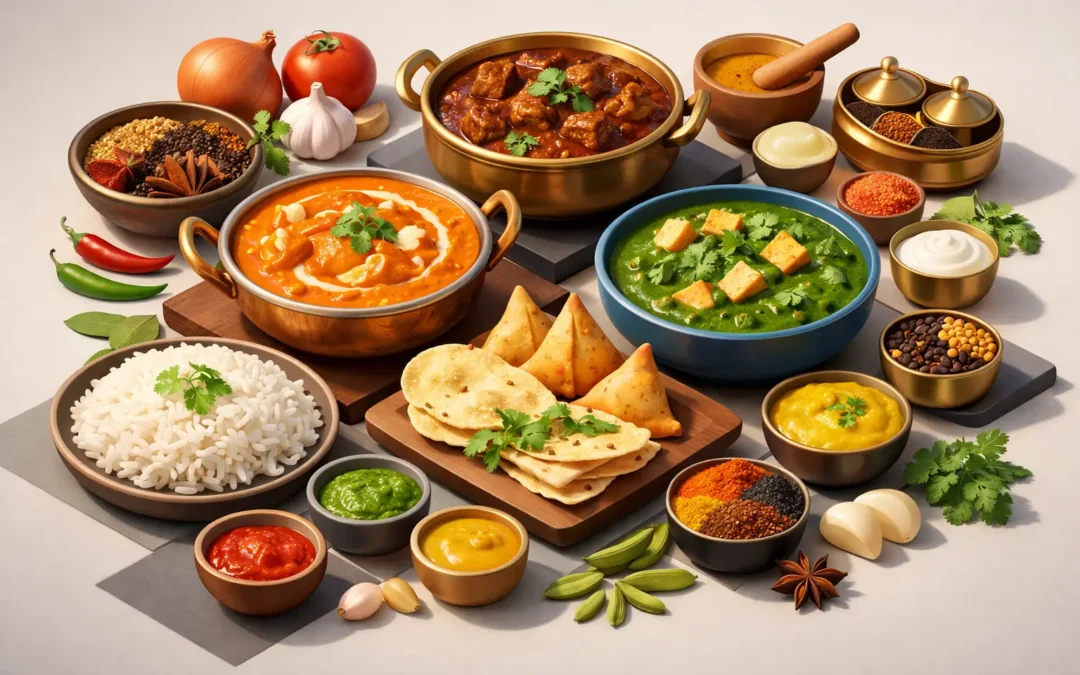
Choosing a curry should feel exciting, not confusing. If you have ever looked at a menu and wondered what really separates a korma from a jalfrezi or a rogan josh from a madras, this guide to Indian curry flavours will help you order with far more confidence and enjoy every mouthful a little more.
Indian curry is not one single flavour profile. That is where many people get caught out. Heat matters, of course, but it is only one part of the picture. The real character of a curry comes from the balance between spice, sweetness, tang, richness, smokiness, herbs, onions, tomatoes, cream, yoghurt and slow-cooked depth. Two curries can have a similar chilli level and still taste completely different.
At its best, curry offers variety for every kind of meal. Some dishes are comforting and creamy, ideal for a relaxed midweek takeaway. Others are brighter, sharper and full of fresh green chillies, which suit anyone after something bolder. Some are rich and deeply spiced without being especially hot. Understanding those differences makes it much easier to choose a dish that actually suits your taste rather than guessing from the name alone.
What shapes Indian curry flavours?
The base of a curry does much of the heavy lifting. Onion often brings sweetness and body, tomatoes add acidity and colour, yoghurt gives gentle tang, and cream or coconut can soften spice while creating a smoother finish. Ginger and garlic build savoury depth, while traditional Indian spices such as cumin, coriander, turmeric, cardamom, cloves and garam masala create warmth and aroma.
Then there is the cooking style. A curry cooked slowly with onions and tomatoes will usually taste rounded and rich. A dish finished with fresh chillies, peppers and coriander tends to feel brighter and more immediate. Tandoori-based curries often carry a slightly smoky edge. Even the same protein can taste completely different depending on the sauce around it.
This is why ordering by spice level alone can be misleading. A hot curry is not always the most flavourful, and a mild curry is not always plain. Some of the most popular dishes are loved because they balance several flavours at once.
A practical guide to Indian curry flavours on the menu
Korma – mild, creamy and gently sweet
Korma is often the first choice for people who prefer a milder curry, and for good reason. It is known for a creamy texture and a softer spice profile, often with notes of coconut, cream or ground nuts depending on the recipe. The flavour is smooth rather than sharp, warming rather than fiery.
That does not mean it lacks character. A good korma still carries fragrance from carefully blended spices. It simply leans towards richness and comfort instead of chilli heat. If you want something easy-going, family-friendly and satisfying, korma is a dependable choice.
Tikka masala – creamy, tomato-rich and crowd-pleasing
Tikka masala sits in a middle ground that suits many diners. It usually combines a creamy texture with a tomato-led base, bringing gentle sweetness, mild tang and rounded spice. Pieces of marinated meat or paneer add extra flavour, especially when they have a lightly charred finish from the grill.
This is one of those dishes that works well when you want familiarity without blandness. It is approachable, full of flavour and often ideal if you enjoy richness but still want some brightness from the tomato base.
Rogan josh – rich, aromatic and deeply spiced
Rogan josh is a good example of a curry that feels full-bodied without relying entirely on heat. It is known for its rich sauce, deep colour and warming spice blend. You may notice notes of tomato, paprika, ginger and aromatic spices that build a savoury, rounded flavour.
If you like curries with depth and warmth rather than sweetness, rogan josh is often a strong option. It can taste luxurious and hearty, especially with lamb, but it should still feel balanced rather than heavy.
Madras – hot, tangy and bold
Madras is often one of the first names people think of when they want a hotter curry. It usually brings a stronger chilli presence, but there is more to it than simple heat. A proper madras often has a tangy edge, with tomato and spice working together to create a sauce that feels lively and direct.
This is a curry for diners who want a stronger kick without losing the underlying flavour of the spices. If you enjoy heat that arrives early and stays with you, madras is likely to suit. If you are sensitive to chilli, though, it may be better to step in gradually with something milder.
Jalfrezi – bright, fresh and chilli-led
Jalfrezi stands out for its fresher, sharper style. Rather than a smooth, heavy sauce, it often includes onions, peppers and green chillies cooked so they keep some bite and freshness. The result is a curry that tastes punchy, vibrant and slightly lighter on the palate.
People sometimes choose jalfrezi expecting only heat, but its real appeal is that fresh, almost stir-fried character. If you enjoy texture in your curry and want something lively rather than creamy, this is a strong choice.
Bhuna – thick, savoury and intensely spiced
Bhuna is all about concentration of flavour. The sauce is typically cooked down until it clings closely to the meat, chicken, seafood or vegetables, creating a thick, deeply savoury result. You often get less obvious creaminess and more emphasis on spice, onion and tomato cooked together until rich and intense.
For diners who like a curry that feels substantial and full of depth, bhuna can be very satisfying. It is not always the hottest dish, but it often tastes more concentrated than looser, saucier curries.
Dhansak – sweet, sour and gently spiced
Dhansak offers one of the more distinctive flavour combinations on many menus. Lentils bring body and softness, while sweet and sour notes create a balance that feels both comforting and slightly tangy. The spice level can vary, but the overall impression is often rounded rather than aggressive.
This is a good example of why a guide to Indian curry flavours needs to go beyond hot or mild. Dhansak appeals to people who enjoy contrast in a dish. If you like a little sweetness with savoury depth, it is worth trying.
Vindaloo – fiery, sharp and not for everyone
Vindaloo is famous for heat, and it usually earns that reputation. A good one also has acidity and spice complexity beneath the chilli, but this is still a curry that puts firepower front and centre. For some diners, that is exactly the point. For others, it can drown out the finer details.
There is no shame in skipping the hottest dish on the menu. The best curry for you is the one you actually enjoy eating, not the one that proves a point.
How to choose the right curry for your taste
A simple way to choose is to think about what you enjoy in other foods. If you like creamy sauces and gentler spice, start with korma or tikka masala. If you prefer rich, savoury dishes with depth, rogan josh or bhuna may suit better. If you want brightness and fresh chilli flavour, look at jalfrezi. If you actively enjoy heat, madras or vindaloo may be the right fit.
It also depends on the occasion. A quiet dinner at home may call for something comforting and mellow. A Friday night meal with friends might be the moment for a bolder curry with more kick. If you are ordering for a group, variety usually works best because curry preferences can differ wildly from one person to the next.
Sides matter too. A hotter curry paired with rice, naan or a cooling yoghurt-based side can feel far more balanced. Likewise, a rich curry can benefit from something fresh alongside it. The full meal shapes the experience, not just the main dish.
Why freshness makes such a difference
Fresh ingredients can completely change how curry tastes. Fresh onions, garlic, ginger, tomatoes, herbs and handpicked spices bring clarity and balance that older ingredients simply cannot match. That is especially noticeable in dishes where the sauce is built from scratch and cooked properly rather than rushed.
At Worthing Indian Cafe & Bar, that focus on fresh daily preparation and authentic Indian spices is central to the flavour in every dish. It is one reason a familiar curry can taste far better when it is made with care, consistency and proper attention to the spice balance.
A better way to read any curry menu
Instead of asking only which curry is hottest, ask what kind of flavour you are in the mood for. Creamy or tangy. Rich or fresh. Gentle or fiery. Smooth sauce or more texture. That small shift makes ordering easier and usually leads to a better meal.
Once you understand the basics, Indian curry becomes much more approachable. You stop ordering by habit and start choosing by flavour. And that is where the real enjoyment begins – finding the dishes that suit your taste, your mood and the kind of meal you want tonight.