
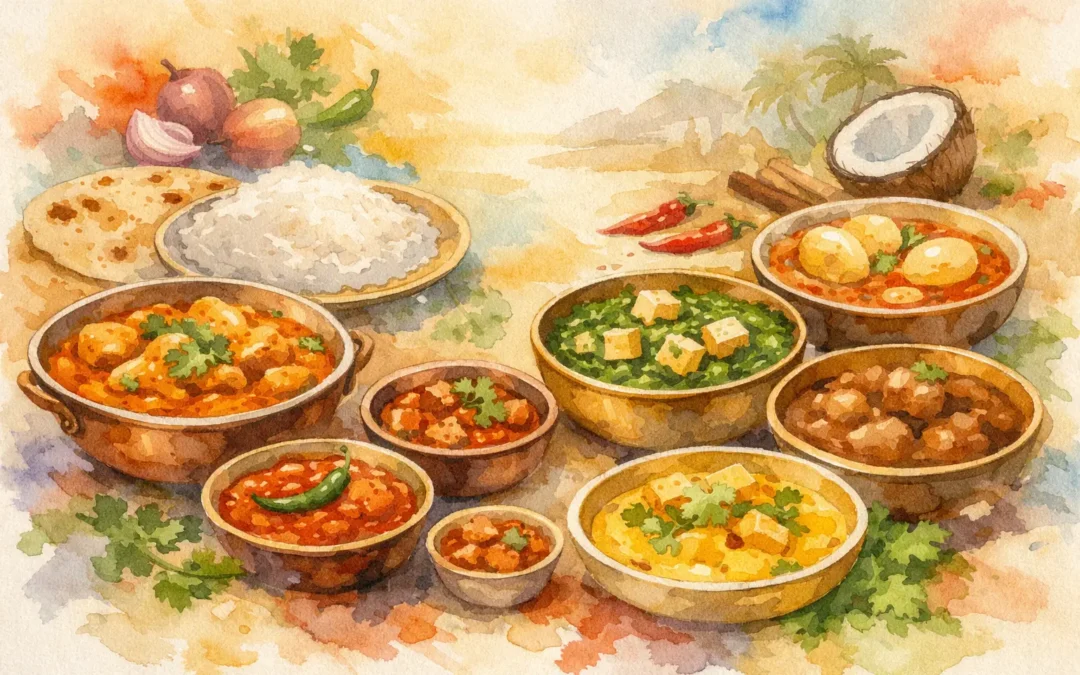
If you usually order the same curry every time, you are missing one of the best parts of Indian food – the sheer range from one region to another. The best regional Indian curries are not just hotter or milder versions of the same dish. They change with local spices, climate, produce and cooking traditions, which is why one curry can feel rich and comforting while another tastes bright, sharp and coastal.
That variety matters when you are choosing dinner. Some curries are built for slow, satisfying evenings. Others are lighter, fresher and ideal when you want plenty of flavour without too much heaviness. Knowing the difference helps you order with more confidence, whether you are planning a family meal, a relaxed dinner out or an easy takeaway at home.
What makes the best regional Indian curries stand out?
A great regional curry has a clear identity. You can taste where it comes from in the ingredients and the style of cooking. Northern curries often lean towards cream, butter, yoghurt and slow-cooked onions for a fuller texture. Southern dishes tend to bring in coconut, curry leaves, tamarind and sharper spice profiles. In western and eastern India, you also see strong use of seafood, mustard, peanuts and distinctive local masalas.
That is why choosing a curry is not only about spice level. It is also about body, balance and finish. Some dishes are rich and smooth, while others are punchy, tangy or earthy. The best ones feel complete rather than simply hot.
10 best regional Indian curries worth knowing
Butter Chicken from Delhi
Butter Chicken is one of the best-known North Indian curries for good reason. It brings together tandoori-style chicken with a tomato, butter and cream sauce that feels smooth, lightly sweet and gently spiced. It is approachable without being bland, which makes it a strong choice if you want authentic flavour in a format that suits almost everyone at the table.
It is also a reliable option for mixed groups. If one person likes milder dishes and another wants depth of flavour, Butter Chicken usually keeps both happy. The trade-off is that it is less sharp and fiery than some regional dishes, so if you want more heat or tang, another curry may suit you better.
Rogan Josh from Kashmir
Rogan Josh is a classic example of a curry with warmth rather than blunt force. Traditionally made with lamb, it is known for its deep red colour, aromatic spices and rich, savoury character. The flavour comes from layers of spice rather than heavy cream, giving it a fuller, more rounded finish.
This is a good choice when you want something hearty and satisfying. It works especially well on cooler evenings or as part of a sit-down meal where you want a curry with real presence.
Laal Maas from Rajasthan
If you enjoy bolder heat, Laal Maas deserves attention. This Rajasthani curry is famous for its red chilli base and robust meat flavour, often made with lamb. It is intense, direct and not designed to be overly softened.
That said, good Laal Maas should still be balanced. Heat without depth gets tiring quickly. When made properly, the spice lifts the richness of the meat instead of burying it.
Goan Fish Curry from Goa
Goan Fish Curry is one of the clearest examples of how regional Indian food changes along the coast. Coconut, tamarind and spices create a sauce that is fresh, lightly sharp and full of character. Fish keeps the dish lighter than many meat curries, while still delivering plenty of flavour.
This is ideal if you want something satisfying but not too heavy. It is also a strong option for people who enjoy a bit of tanginess in their food. If you prefer rich, creamy sauces, it may feel leaner than your usual choice, but that is part of its appeal.
Xacuti from Goa
Another Goan favourite, Xacuti is deeper and more spiced than the standard Goan fish curry. It often includes roasted coconut, poppy seeds and a more complex masala, creating a thicker, earthier sauce. Chicken and lamb versions are both popular.
This is a curry for people who like detail in the flavour. You get warmth, nuttiness and gentle sweetness all in one dish. It is not always the first choice for those who like simple, clean sauces, but for many people it becomes a favourite very quickly.
Chettinad Chicken from Tamil Nadu
Chettinad cuisine is well known for assertive spice blends, and Chettinad Chicken shows that brilliantly. Black pepper, fennel, curry leaves and roasted spices give it a bold, fragrant profile that feels different from creamier restaurant staples.
It is a great order when you want something lively and aromatic. The sauce is usually less soft and buttery than a North Indian curry, so it appeals most to diners who enjoy punch and spice definition.
Kerala Chicken Curry from Kerala
Kerala-style curry often uses coconut milk, curry leaves, mustard seeds and green chillies, creating a dish that feels fragrant, rounded and slightly sweet before the spice builds. It is less heavy than it sounds when balanced well, and it has a freshness that sets it apart from thicker tomato-based curries.
This is one of the best regional Indian curries for customers who want comfort with a lighter touch. It suits both dine-in and takeaway because it travels well and still tastes vibrant at home.
Vindaloo from Goa
Vindaloo is often misunderstood in the UK as simply the hottest curry on the menu. In reality, its Goan roots bring much more than heat. A proper Vindaloo uses vinegar, garlic and spices to create a hot, tangy curry with real structure.
If you like a stronger kick, it is a good choice, but it should still taste sharp and savoury rather than just aggressive. Heat lovers often go straight for it, though it is worth knowing that a balanced Vindaloo is far more enjoyable than one that relies only on chilli.
Bengali Mustard Fish Curry from West Bengal
This curry has a very different personality from cream-based dishes. Mustard gives it a distinct sharpness and slight bitterness, which pairs beautifully with fish. It is clean, elegant and highly regional in character.
It may not be the best first step for someone used only to korma or tikka masala, but for diners who want something authentic and less predictable, it is excellent. The flavour is specific, and that is exactly why people love it.
Saag Gosht from Punjab
Saag Gosht combines meat, usually lamb, with spinach and warming spices for a curry that feels earthy and deeply comforting. It is not as flashy as brighter red curries, but it offers real depth and a satisfying texture.
This is often the right choice when you want something steady, savoury and filling. It is especially good if you prefer a less acidic sauce and enjoy fuller, homestyle flavours.
How to choose the best regional Indian curries for your taste
If you normally order by heat level alone, it helps to think in a more practical way. Ask yourself whether you want richness, tang, coconut, tomato, peppery warmth or a lighter finish. That gets you closer to the right dish much faster than simply choosing mild, medium or hot.
For an easy crowd-pleaser, Butter Chicken or Saag Gosht are dependable picks. For something brighter, Goan Fish Curry works well. If you want aromatic spice and more edge, Chettinad Chicken is a strong choice. If heat is the main event, Laal Maas or Vindaloo will be more your style, though the better option depends on whether you prefer dry chilli warmth or tangy sharpness.
There is also the question of occasion. A family meal often calls for balance and broad appeal. A quiet meal for two can be a good time to try something more regional and distinctive. For takeaway, curries with strong spice structure and well-built sauces tend to hold up especially well.
Why regional variety makes Indian food better
One of the best things about Indian cuisine is that it never needs to feel repetitive. Regional curries give you more than just choice. They give you different experiences built around real ingredients, local traditions and proper spice balance. That is what keeps a menu exciting and worth coming back to.
At Worthing Indian Cafe & Bar, that idea matters. Fresh daily ingredients, authentic Indian spices and dependable quality are what turn a familiar curry night into something far more enjoyable, whether you are dining in, collecting on the way home or ordering for a quiet night in.
The next time you are choosing dinner, go beyond your usual order and try a curry with a clear regional identity. You might still have your old favourite, but you may well find a new one that suits your taste even better.