
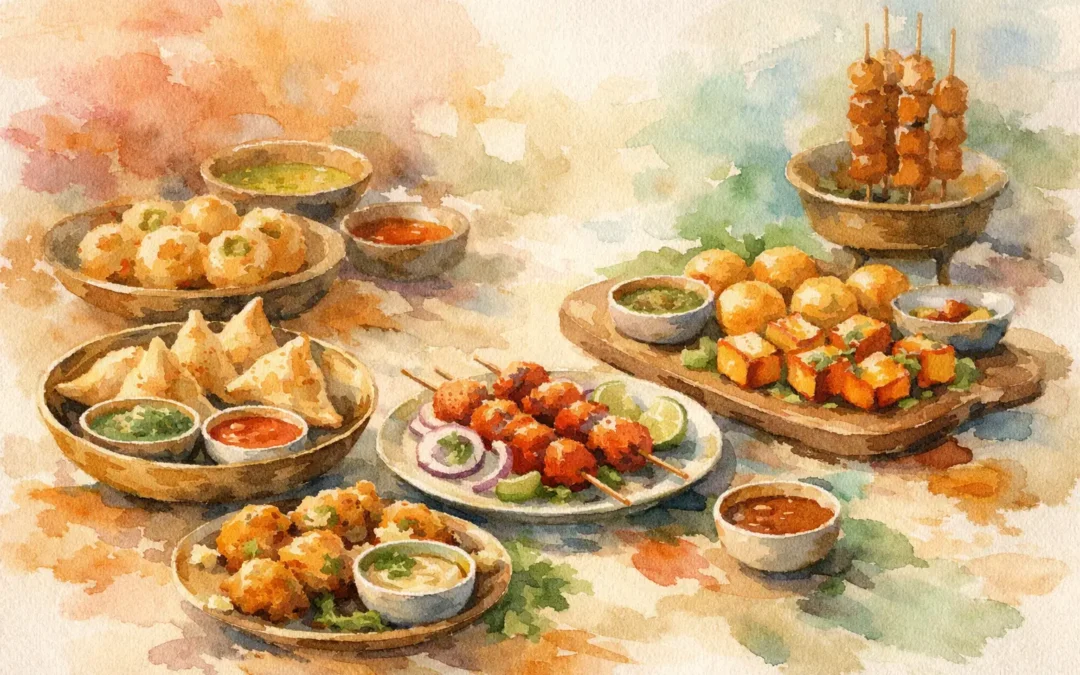
A good starter does more than fill the wait before the main course. It brings the table together, sets the level of spice, and gives everyone a first taste of the fresh ingredients and authentic Indian spices to come. Knowing how to pick Indian starters means choosing a mix that suits your group, your appetite and the occasion – whether it is a quick weekday takeaway, a relaxed dinner for two or a family celebration.
The best approach is not to order the same thing twice. Indian starters offer contrast: crisp pastry beside smoky grilled food, cool yoghurt against warming spice, and familiar favourites alongside street-food dishes with a little more tang and crunch. A thoughtful selection makes every meal feel more generous without making it too heavy before the mains arrive.
Start with the size and style of your meal
Before looking at individual dishes, think about how the starters will be eaten. For two people sharing a main each, one or two starters are usually plenty. Choose a lighter option alongside something crisp or grilled, so there is still room to enjoy your curry, rice or naan.
For a family table or a small group, starters work best as shared plates. Ordering three or four different dishes gives everyone a chance to try something new and makes the meal feel sociable from the first bite. A balanced mix could include one fried favourite, one tandoori-style dish, one vegetarian choice and one fresh, tangy street-food option.
If you are ordering for a party, it helps to keep the selection easy to share and easy to eat. Finger-food favourites are practical, especially when guests are chatting and moving around. Avoid making every dish very spicy or very rich. Variety is what keeps a larger table happy.
How to pick Indian starters by texture
Texture is often the difference between a good starter order and a memorable one. If every dish is fried, the flavours can begin to blend together. If everything is grilled, the table may miss that satisfying crisp bite. Aim for contrast.
Choose one crisp favourite
Samosas are a classic choice for good reason. Their golden pastry gives a satisfying crunch, while the filling adds warmth and spice. Vegetable samosas are an easy crowd-pleaser, particularly when your table includes vegetarians, while meat-filled versions can bring a heartier flavour.
Onion bhajis are another reliable choice. Freshly prepared bhajis should be crisp at the edges, soft in the middle and well-seasoned with onion, herbs and spices. They are comforting, shareable and especially welcome alongside chutney or a cooling dip.
Pakoras can offer a similar appeal, but with a lighter, more varied feel depending on the vegetables or protein used. They are a strong option for people who enjoy a casual, street-food-style plate.
Add something from the grill
Tandoori and grilled starters bring charred edges, aromatic spice and a less heavy alternative to fried dishes. Chicken tikka is a familiar favourite, with tender marinated chicken cooked at high heat for a smoky finish. It is a safe choice for diners trying Indian food for the first time, but never a boring one when the marinade is well balanced.
Seekh kebabs offer a deeper, savoury flavour and a softer texture. Their seasoned minced meat is ideal for sharing, particularly with fresh salad and mint sauce. Paneer tikka is the vegetarian equivalent many tables need: cubes of paneer with peppers and onions, marinated in spices and grilled until lightly charred.
A grilled starter is particularly useful when your mains are likely to be rich. If you are planning creamy or slow-cooked curries, chicken tikka, paneer tikka or kebabs keep the opening course flavourful without leaving everyone too full.
Include a fresh or tangy dish
Indian street food is brilliant at bringing brightness to the table. Chaat-style starters often combine potatoes, chickpeas, yoghurt, chutneys, herbs and crunchy toppings. The result is sweet, sour, spicy and cooling all at once.
This is a good choice when your group enjoys bold flavour but not necessarily lots of chilli. Tang comes from tamarind, lemon, yoghurt and fresh herbs rather than sheer heat. A chaat dish can also cut through richer starters beautifully, making the whole selection feel lighter and more varied.
Choose heat carefully, not cautiously
There is no need to avoid spice, but it is wise to spread it across the table. A group where everyone orders a hot starter may enjoy the first few bites, then lose the subtle flavours of the rest of the meal. Instead, choose one dish with a noticeable kick and balance it with milder options.
Ask yourself who is eating. Children, first-time diners and guests who prefer gentle food will often enjoy samosas, onion bhajis, paneer tikka or mild chicken tikka. Diners who like more heat may prefer starters featuring chilli, stronger masala seasoning or spiced grilled meats.
Spice is not only about chilli. Indian cooking uses layers of flavour from cumin, coriander, turmeric, ginger, garlic, cardamom and many other traditional spices. A milder starter can still be full of character. If you are unsure, choose flavour variety first and add heat through chutneys, pickles or a spicier dish for the table.
Make room for everyone at the table
A well-chosen starter order considers dietary needs before the plates arrive. Vegetarian choices should feel like part of the main selection, not an afterthought. Paneer, vegetables, potatoes, chickpeas and lentils all work beautifully with Indian spices and give vegetarian diners plenty to enjoy.
For vegan guests, check how each dish is prepared, particularly where yoghurt, ghee or paneer may be used. Gluten can also appear in pastry, breadcrumbs and some sauces. If you have allergies or specific dietary requirements, let the restaurant know when ordering. A good team can help point you towards suitable choices and reduce uncertainty.
For mixed groups, choose at least one vegetarian starter even if most people eat meat. It adds variety for everyone, and it means no one is left with only one option. This small detail makes shared dining more relaxed.
Match starters to the main course
Your main-course plans should guide your starter choice. If you are ordering a rich curry with a creamy sauce, begin with grilled or tangy starters. If you are choosing lighter dishes, a crisp samosa or bhaji adds comfort and texture without overwhelming the meal.
There is also a practical point: do not order too many pastry-based or fried dishes if you want several breads and sides later. Starters should build anticipation, not replace dinner. For a takeaway night, this matters even more, as it is easy to add extras while browsing the menu.
A useful rule is to choose starters that do different jobs. One can be crisp and comforting, another smoky and savoury, and another fresh with chutney or yoghurt. The result feels like a proper spread while remaining good value.
Pick Indian starters for the occasion
For a casual meal after work, familiar dishes are often exactly right. A portion of onion bhajis, vegetable samosas or chicken tikka can turn a simple curry order into a satisfying treat without stretching the budget.
For date night, choose dishes that are easy to share and offer a little contrast. Paneer tikka with a crisp starter, or a grilled chicken dish with a tangy chaat-style plate, gives you plenty to talk about before the mains arrive.
For family dining, keep the order friendly and varied. Include mild choices, vegetarian options and one bolder dish for spice lovers. At a gathering or private function, smaller shareable starters are especially useful because guests can sample different flavours without committing to a full portion.
At Worthing Indian Cafe & Bar, fresh daily preparation and authentic flavours mean a starter can be as simple as a classic bhaji or as lively as a street-food favourite. The right choice depends less on following rules and more on building a table that everyone wants to reach across.
Next time you order, choose one familiar favourite, one contrasting texture and one dish that somebody at the table has not tried before. That is often where the best part of the meal begins.