
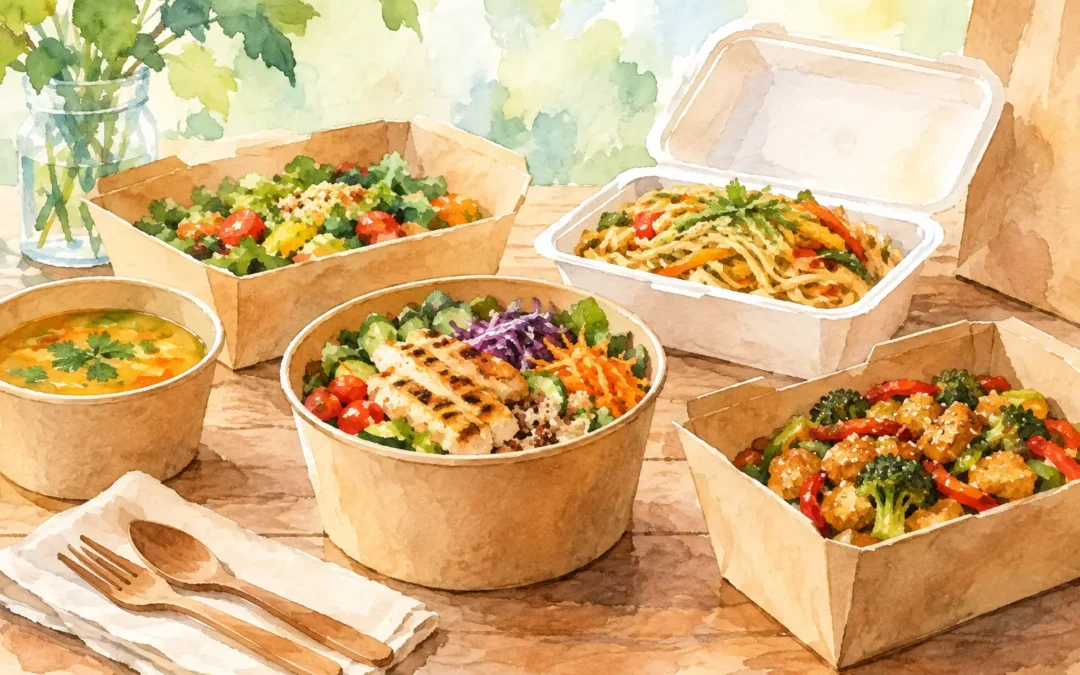
A great takeaway should arrive ready to enjoy, not leave you wishing you had ordered differently. Knowing how to pick takeaway dishes means looking beyond one favourite curry and building a meal with variety, freshness and the right amount of food for everyone at the table. Whether it is a quick midweek dinner, a relaxed Friday night in or a family gathering, a little planning makes every order feel more satisfying.
Start with the people at the table
The best place to begin is not the menu – it is the appetite, tastes and dietary needs of the people eating. For one person, a main dish with rice or naan may be ideal. For two or more, sharing a selection usually gives you a better balance of flavours and textures.
Think about spice levels before ordering. A hotter curry can be a real treat for someone who enjoys chilli, but it may not suit everyone. Choose one milder dish, one richer or medium-spiced curry, and perhaps a hotter option for those who want extra warmth. This gives the table choice without making the whole meal feel too cautious.
If children are eating, or someone prefers gentle flavours, creamy or lightly spiced dishes can sit well alongside fragrant rice, soft naan and familiar sides. For a group of confident food lovers, add a regional dish or Indian street-food favourite to bring something more adventurous to the table.
Choose dishes that travel well
Some food is at its best the moment it leaves the kitchen, while other dishes are perfectly suited to takeaway. Saucy curries, slow-cooked lentils, grilled tandoori dishes and rice travel particularly well because they retain their flavour and warmth on the journey home.
A curry with a generous sauce is often a reliable choice for delivery or click and collect. The sauce protects the meat, paneer or vegetables from drying out, and it pairs naturally with rice and bread. Dishes cooked in a tandoor can also be an excellent addition, especially when balanced with a curry or a side that brings moisture and richness.
Crisp starters need a little more thought. Samosas, onion bhajis and other fried dishes can still be delicious at home, but they are best enjoyed soon after arrival. If you live a little further away, order them as part of a larger meal rather than relying on several fried items as the main event. A good mix of crisp starters, warm curries and freshly cooked bread gives you the best of both worlds.
Build your order around contrast
A memorable Indian takeaway has contrast. It might pair a rich, tomato-based curry with a lighter grilled dish, or a creamy sauce with a bright, spiced vegetable side. Ordering only heavy dishes can leave the meal feeling one-note, while ordering several very similar curries means you miss the range Indian cooking has to offer.
Start with one centrepiece dish. This could be a classic curry, a fragrant biryani or a tandoori special. Then choose a second dish that has a different character: perhaps something smoky, tangy, creamy, dry-spiced or vegetable-led. Add one or two sides that complement rather than compete.
For example, a warming chicken curry can work beautifully with a vegetable dish full of colour and texture. A rich paneer dish benefits from plain basmati rice and a fresh salad or raita. If you choose a biryani, which is already substantial and aromatic, you may only need a curry sauce or cooling yoghurt side rather than another large main.
Do not overlook the supporting dishes
Rice, naan, chutneys and sides are not afterthoughts. They are what turn a good main dish into a proper meal. Plain basmati rice lets the spices in a curry take centre stage, while pilau rice adds gentle fragrance and colour. If the main dishes are particularly rich or spicy, plain rice can create the balance you need.
Naan is ideal for sharing and for enjoying every last spoonful of sauce. A plain naan suits almost any order, while garlic or keema naan adds more flavour and makes sense when your mains are simpler. If you are already ordering several bold dishes, keep the bread straightforward so the meal does not become overly rich.
Vegetable sides are a smart choice for families and groups. They add variety, help the meal go further and make it easier to cater for different appetites. Daal offers comforting depth, while a vegetable curry can add freshness and a lighter contrast to meat or paneer dishes.
How to pick takeaway dishes for different occasions
The right order depends on the occasion. For a weekday meal, convenience matters. Choose a familiar main, rice or naan, and one starter or side if you want something extra. This keeps the order satisfying without creating lots of leftovers or spending more than planned.
For a date night or a relaxed meal for two, choose two mains with different flavours, one rice, one naan and a shared starter. This gives you enough variety without overcrowding the table. A tandoori dish alongside a classic curry is often a dependable combination.
For a family meal, plan around sharing. Two or three mains, a vegetable dish, rice, naan and a selection of starters can suit a range of tastes. It is better to choose varied flavours than simply order a larger portion of the same dish. That way, everyone can find something they enjoy.
For parties and casual gatherings, think about food that is easy to share and serve. Starters, tandoori items, curries, rice and breads offer a practical spread. Ask guests about allergies and spice preferences before ordering, especially if children or first-time Indian food diners are coming along.
Be realistic about portions and value
Ordering too little can leave people disappointed, but ordering far too much is not always good value. A main dish with a rice or naan is often enough for one hungry adult, while sides and starters are generally made for sharing. When in doubt, add a vegetable side or another rice rather than a third rich main – it stretches the meal without overwhelming it.
Value is not only about choosing the lowest-priced item. Freshly prepared dishes made with quality ingredients, traditional spices and proper care offer better value because the flavour is there from the first bite to the last. A well-chosen order also reduces waste. If you know someone will not eat a hot curry, choose a milder dish for the table and add spice separately where possible.
Leftovers can be useful, particularly with rice-based dishes and curries, but only order extra if you can cool and refrigerate food promptly. Reheat thoroughly until piping hot, and do not reheat food more than once.
Make dietary choices clear when ordering
Indian cuisine offers plenty of choice for vegetarians, but ingredients and preparation still matter. Paneer, lentils, chickpeas and seasonal vegetables can make a full and satisfying meal, not just a substitute for meat. If you have a food allergy or specific dietary requirement, make this clear when placing your order rather than assuming a dish is suitable.
The same applies to heat. Menus may describe a dish as mild, medium or hot, but individual tastes vary. If you are unsure, choose a moderate option and include a cooling side such as raita. You can always add more heat, but it is harder to take it away.
Order with freshness in mind
Takeaway food is most enjoyable when it is collected or delivered close to the time you want to eat. If you are collecting, aim to arrive at the agreed time so hot dishes do not sit in the car longer than necessary. At home, unpack the order promptly, check that everything is there, and serve it while the aromas and textures are at their best.
At Worthing Indian Cafe & Bar, dishes are prepared with fresh daily ingredients, handpicked produce and authentic Indian spices, so a varied order lets you enjoy the full range of flavours. Choosing click and collect can be especially useful when you want a hot meal ready around your own schedule.
The next time you order, choose one dish you already love and one that is new to you. It is a simple way to keep a takeaway night dependable, generous and full of flavour.