
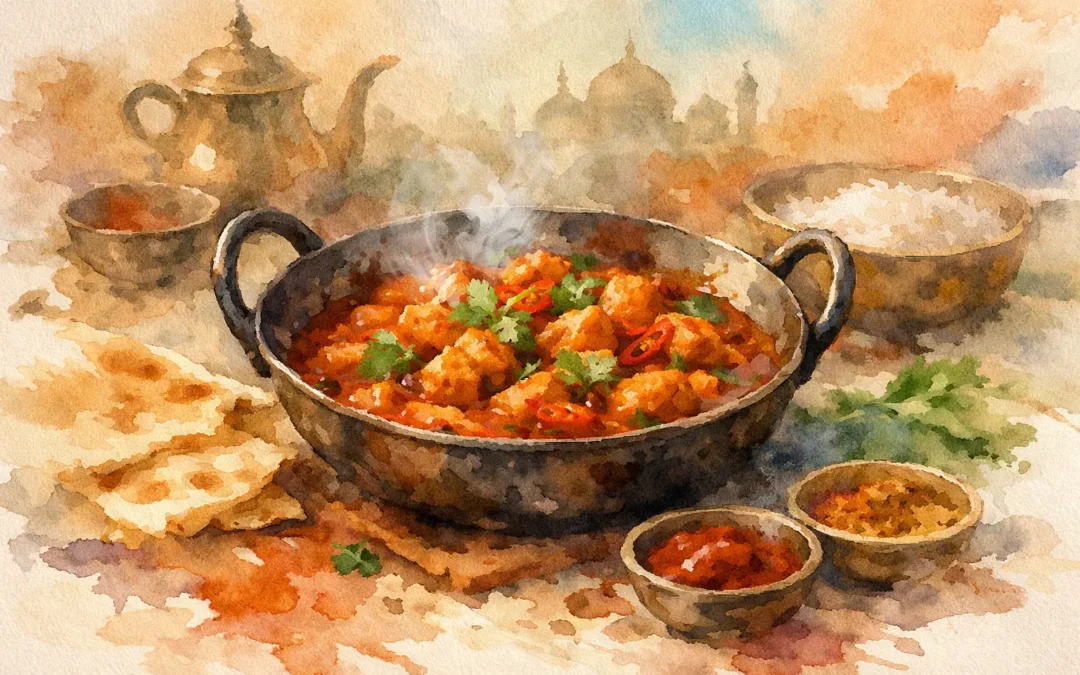
If you have ever scanned an Indian takeaway menu and paused at balti, you are not alone. What is a balti curry, exactly? It is a fast-cooked curry, usually made with fresh spices, onions, peppers, tomatoes and coriander, then served in the same thin steel bowl it was cooked in – known as a balti.
That serving style is part of the appeal, but it is not the whole story. A good balti stands out for its lively flavour, slightly lighter feel and freshly cooked taste. It is rich enough to satisfy, but often brighter and less heavy than cream-based curries, which is one reason it has remained such a favourite for casual dinners, takeaway nights and sharing with family.
What is a balti curry and where did it come from?
Balti curry is closely linked with the British curry scene, especially Birmingham, where the dish became widely known and loved. While its influences come from traditional South Asian cooking, the balti many people know today is largely a British Asian restaurant classic.
The word balti is commonly used to describe the pressed-steel bowl or pan the curry is cooked and served in. The dish is usually prepared over high heat so the sauce keeps a fresh, just-cooked character. That matters because balti is not meant to feel slow, heavy or overly reduced. It should taste vibrant, spiced and full of texture.
There is some debate around the exact history. Some trace the cooking style to Pakistani and Kashmiri influences, while others focus on how the dish evolved in UK restaurants. Both points can be true. Like many well-loved curry house dishes, balti is part tradition, part adaptation, and that is often what makes it so popular.
What makes a balti different from other curries?
The easiest way to understand balti is to compare it with the curries people already know. A korma is mild, creamy and often slightly sweet. A madras is hotter and deeper. A jalfrezi has a sharper edge with peppers and onions. Balti sits in its own space.
A balti usually has a tomato-led base with garlic, ginger, onions and a blend of spices cooked quickly at high heat. Peppers are common, fresh coriander is often added at the end, and the sauce tends to cling to the meat, vegetables or paneer rather than pool heavily on the plate.
That does not mean every balti tastes exactly the same. Some are medium and rounded, while others are hotter and more punchy. Some lean towards a richer sauce, while others feel lighter and more aromatic. It depends on the kitchen, the recipe and the balance of spices used on the day.
The flavour of a balti curry
If you are deciding whether to order one, the flavour is the real selling point. A balti is usually savoury, gently tangy and warmly spiced, with enough depth to feel comforting and enough freshness to keep every bite interesting.
You will often notice garlic and ginger first, followed by cumin, coriander, turmeric, garam masala and chilli. Tomatoes bring acidity and body, while peppers and onions add sweetness and texture. Fresh coriander on top helps lift the whole dish.
Because it is cooked quickly, the flavours stay clear. You can usually taste the individual ingredients rather than everything blending into one heavy sauce. For many diners, that is exactly why balti works so well for both dine-in meals and takeaway. It feels satisfying without being too much.
Is balti curry spicy?
Sometimes yes, but not always. One of the most useful things to know about balti is that spice level can vary quite a bit.
Some baltis are mild to medium, with warmth rather than heat. Others are made hotter for diners who like more chilli. The word balti itself does not guarantee a certain level of spice in the way people often expect from dishes such as vindaloo or phaal.
If you enjoy flavour but do not want anything too fiery, a balti can still be a very safe choice. The best approach is to check whether the version on the menu is mild, medium or hot. In a good restaurant, that balance should be clear, and the flavour should always come first.
What ingredients are usually in a balti?
Most baltis start with a similar foundation: oil, onions, garlic, ginger, tomatoes and a fresh spice mix. From there, the dish can be built around chicken, lamb, prawns, paneer or vegetables.
Chicken balti is one of the most common choices because it takes on the sauce well and stays tender in quick cooking. Lamb balti offers a richer, deeper finish. Prawn balti can be lighter and slightly sweeter. Vegetable balti is a strong option if you want something colourful, filling and full of texture without feeling too rich.
You may also see spinach, mushrooms or chickpeas added depending on the style of the kitchen. There is room for variation, but the heart of the dish stays the same: fresh ingredients, quick cooking and a spiced sauce with real character.
Why is it served in a balti dish?
The metal bowl is not just for appearance, although it does give the dish its recognisable look. Traditionally, the curry is cooked and served in the same vessel, which helps it arrive hot and keeps the presentation simple and inviting.
That matters in a busy restaurant setting because balti is meant to feel immediate. It comes to the table still hot, often with naan for scooping up the sauce. It is practical, generous and easy to share.
For takeaway and delivery, the original bowl may not come with it, of course, but the cooking style and flavour profile are what still define the dish. Even out of the restaurant, a proper balti should taste fresh, balanced and full of spice.
What do you eat with a balti curry?
Naan is the classic partner. Because balti sauce is often thick enough to scoop, naan makes perfect sense and turns the meal into something relaxed and satisfying. Plain naan works well, while garlic naan gives an extra savoury edge.
Rice also works if you prefer a more traditional curry pairing. Pilau rice is especially good because its gentle fragrance complements the spice without overpowering it. Some people order both rice and naan, particularly if they are sharing.
If you want a fuller meal, onion bhajis, samosas or a fresh side salad can round things out nicely. It depends whether you want a quick weekday dinner or something more generous for the table.
Who should try a balti?
Balti is a great option for anyone who enjoys curry but wants something fresh-tasting and well balanced. It suits people who find very creamy curries too heavy, and it also suits diners who want flavour without going straight for the hottest dish on the menu.
It is also a good choice for groups because it tends to please a wide range of tastes. If one person likes chicken, another prefers vegetables, and someone else wants something with a bit of warmth, balti often covers all of those needs.
For families ordering in, it is one of those reliable dishes that feels special without being complicated. For couples or small groups dining out, it has that comforting curry house appeal while still feeling vibrant and freshly cooked.
What is a balti curry on a modern menu?
On a modern British Indian menu, balti is often both a classic and a practical choice. It offers familiar comfort, but it also signals fresh cooking, authentic Indian spices and strong everyday value. That is a big reason it continues to hold its place alongside house favourites.
At Worthing Indian Cafe & Bar, the appeal of dishes like balti is simple: they bring together fresh daily ingredients, proper spice and satisfying flavour at a reasonable price. That is exactly what many local diners want, whether they are sitting down for a relaxed meal or ordering in after work.
If you have never tried one before, balti is an easy place to start. It is full of flavour, easy to pair with naan or rice, and flexible enough to suit different tastes. Sometimes the best way to understand a dish is not to overthink it – just order a good one, while it is hot, and enjoy the way those fresh spices come through.