
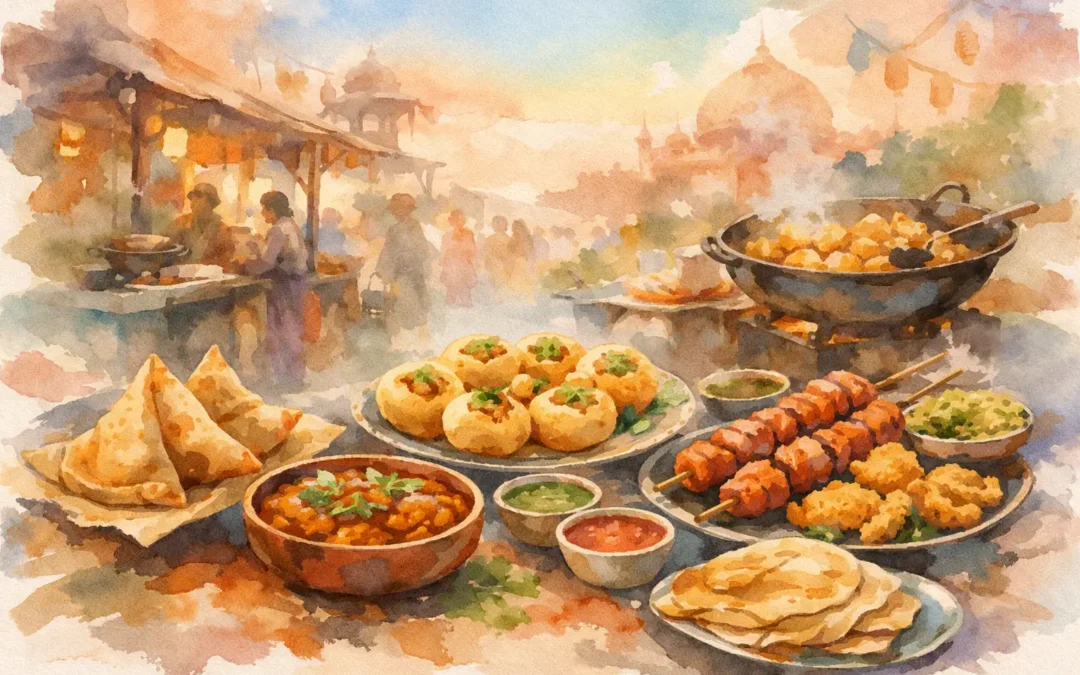
Standing in front of a menu packed with chaat, wraps, curries and regional favourites can be exciting, but it can also leave you wondering where to start. This Indian street food menu guide is here to make that choice easier, so you can order with confidence and get a meal that suits your taste, appetite and budget.
Indian street food is all about bold flavour, fresh preparation and food that feels generous without being heavy. Some dishes are crisp and tangy, some are smoky and rich, and others are built for quick, satisfying comfort. Once you know what each section of the menu is trying to give you, the whole experience becomes much more enjoyable.
What makes an Indian street food menu different?
A classic curry menu often centres on familiar mains and sides. An Indian street food menu usually offers more variety in texture, spice level and serving style. You will often see lighter starters, shareable plates, hand-held items, grilled dishes and dishes layered with chutneys, yoghurt, herbs and spice blends.
That is what makes it so appealing for casual dining, takeaway and group meals. One person can order something crisp and tangy, another can go for a wrap or a hearty curry, and everyone still feels like they are sharing the same vibrant meal. It is flexible, which is one reason it works so well for families, couples and small groups.
Indian street food menu guide: start with flavour, not just heat
A common mistake is choosing by spice alone. Heat matters, but it should not be the only thing guiding your order. Indian street food has a much wider flavour range than simply mild or hot.
If you enjoy freshness and contrast, look for dishes with tamarind, mint chutney, yoghurt, onion and coriander. These tend to give you sweet, sharp and cooling notes in the same bite. If you prefer richer food, look towards grilled meats, buttery sauces or slow-cooked curries. If you want something filling without feeling too heavy, wraps, rice bowls and mixed small plates are often the better choice.
It also depends on the occasion. A quick weekday takeaway may call for a dependable curry, rice and naan. A relaxed meal out might be the right time to add chaat, grilled starters and something new from a regional section of the menu.
How to read the starter section
Starters on an Indian street food menu are not just there to fill time before the main course. In many cases, they are some of the most exciting dishes available.
Samosas are usually the easiest place to begin. They are familiar, crisp and satisfying, often filled with spiced vegetables or meat. Onion bhajis bring a similar comfort, with a softer interior and a gentle sweetness from the onion. These are reliable choices if you want something warm, savoury and easy to share.
If you see chaat, expect more contrast. Chaat is often built around crisp pastry or fried elements, potatoes or chickpeas, yoghurt and chutneys. It is lively, layered and slightly messy in the best way. This is a good choice if you enjoy dishes that are tangy, textured and packed with different flavours in one plate.
Tandoori starters are ideal if you want something a little cleaner and more protein-led. Chicken tikka, lamb pieces or paneer cooked in the tandoor usually bring smoky flavour and a gentle char. They feel substantial without being too rich, which makes them a smart option if you still want room for a main.
Choosing between chaat, grills and wraps
This is often where people pause, because all three sound tempting and all three offer something different.
Chaat is best when you want a snack-style dish with lots of contrast. It works well as a starter or as part of a shared table. It is less about a large portion and more about punchy flavour.
Grilled dishes are a stronger option if you want something savoury, smoky and straightforward. They usually suit diners who enjoy spice but do not necessarily want a sauce-based meal. They also travel well for takeaway, especially when paired with rice, salad or naan.
Wraps and rolls are one of the most practical choices on a modern street food menu. They are ideal for lunch, easy evening meals and customers who want restaurant-quality flavour without a very formal meal. A good wrap should feel balanced, with tender filling, fresh salad, chutney and enough spice to keep every bite interesting.
Understanding curry choices on a street food menu
Even if street food is the focus, curries still matter. They offer comfort, familiarity and excellent value, especially when you are ordering for more than one person.
Creamier dishes are the safe choice for diners who want a milder and richer meal. They tend to appeal to families and anyone who enjoys warmth from spice without too much chilli heat. Tomato-based curries often sit in the middle, offering rounded flavour and a little more depth. Drier or more heavily spiced regional dishes can be the better fit for diners who want something bolder and more traditional.
The key is to think about what you are pairing with it. A rich curry works well with plain rice and lighter sides. A drier dish may benefit from naan or a cooling yoghurt-based accompaniment. If you are ordering for the table, mix one mild dish with one medium or hotter option so everyone has some choice.
Sides that make the meal better
Sides are not an afterthought on an Indian menu. They are what turn a good order into a satisfying one.
Rice gives balance and helps soak up sauces, while naan brings comfort and texture. Pilau rice adds fragrance, and plain rice lets stronger dishes stand out. If you are already ordering breads, you may not need multiple rice portions as well, especially for a smaller group.
Chutneys, raita and fresh salad matter more than many people expect. A cooling side can lift a spicy dish and make the whole meal feel fresher. Pickles add intensity, but they are best used in small amounts unless you already know you enjoy that extra sharpness.
For a street food style order, one of the best approaches is variety rather than volume. A couple of mains, one bread, one rice and a fresh side often gives you a more balanced meal than simply doubling up on heavy dishes.
Ordering for takeaway or delivery
Not every dish behaves the same once it leaves the kitchen. Some travel brilliantly, while others are best enjoyed straight away.
Curries, rice dishes and grilled items usually hold their quality well. Wraps can also work very nicely for takeaway if they are prepared fresh and packed carefully. Chaat is where timing matters most. Because it relies on crisp textures and cool toppings, it is often at its best when eaten promptly.
If you are ordering at home, think about how quickly everyone will eat and whether you want a meal that is easy to portion out. For families, curries with rice and breads are usually the easiest route. For a film night or informal gathering, a mix of starters, wraps and sharers can feel more relaxed and varied.
This is where a dependable local restaurant makes a difference. Fresh daily preparation, consistent portions and sensible packaging all help the meal arrive as it should.
The best way to order for different occasions
A weekday meal needs speed, value and something reliably satisfying. In that case, a curry, rice and one side is often enough. If you want something lighter, a grilled dish or wrap may suit better.
For date nights or relaxed dine-in meals, the menu opens up a bit more. This is a good time to share a starter, try a street food favourite and then choose mains that contrast with each other. One rich dish and one brighter, spicier dish usually gives a better balance than ordering two similar plates.
For families, it helps to include one familiar option, one milder dish and something with a bit more kick for adults. Children and cautious eaters often enjoy the simpler comfort of naan, rice and mildly spiced chicken. More adventurous diners may prefer chaat, grills or regional specials.
If you are ordering for a party or function, variety is essential. You want food that offers different textures, spice levels and formats. At Worthing Indian Cafe & Bar, that mix of authentic street food, classic favourites and fresh daily cooking makes it easier to please a group without stretching the budget.
A few signs of a good menu
A strong Indian street food menu does not need to be complicated. It should offer range without feeling confusing. You want dishes that clearly balance comfort and authenticity, with enough choice for regular customers and enough familiarity for first-time diners.
Fresh ingredients make a visible difference. Crisp onions, lively chutneys, properly cooked breads and well-marinated grills all tell you something about quality. Reasonable pricing matters too, because street food should feel approachable. The best menus give you flavour and generosity without making the meal feel like a special-occasion expense every time.
If you are unsure what to try first, start with one familiar dish and one new one. That is often the easiest way to build confidence with the menu while still getting the fun of trying something different.
A good street food meal should feel easy to enjoy, whether you are sitting down for a relaxed dinner, collecting on the way home or ordering in for the family. Choose what matches your mood, mix comfort with a little curiosity, and the menu will start to make a lot more sense.