
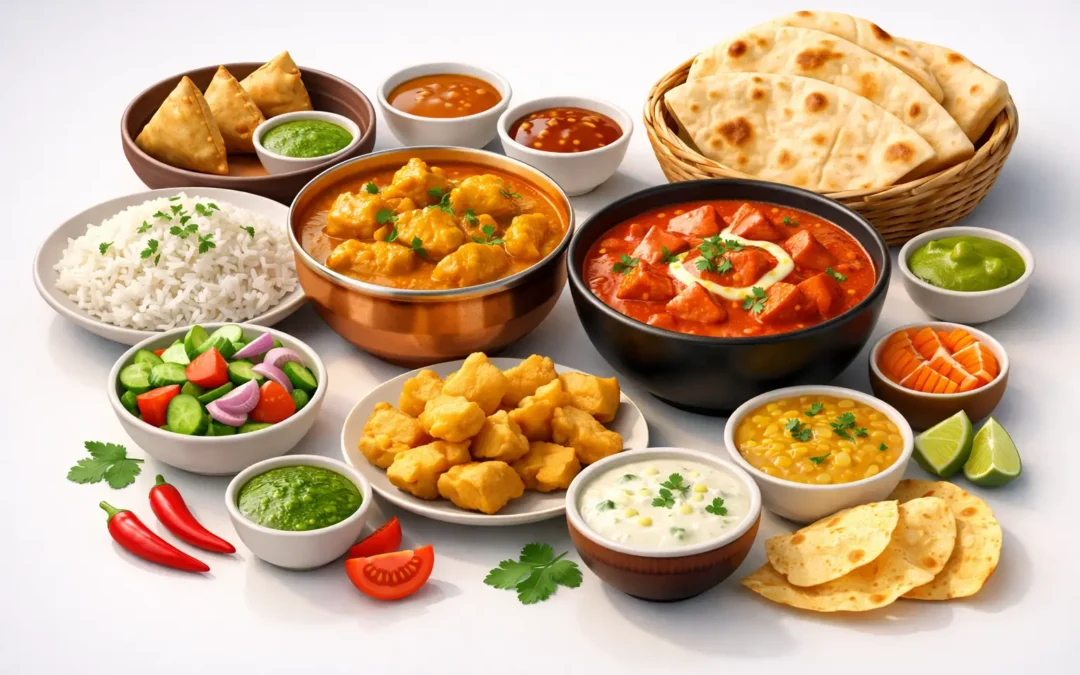
A great curry can lose some of its charm if the sides do not match it. If you are wondering how to pair curry sides, the easiest place to start is with balance. Rich curries need freshness, spicy curries often need cooling sides, and drier dishes usually work best with something soft, light or sauce-friendly alongside them.
That matters whether you are sitting down for a family meal, ordering a midweek takeaway or choosing dishes for a bigger gathering. The right side dishes do more than fill the table. They help each curry taste clearer, more complete and more satisfying.
How to pair curry sides by flavour and texture
The best way to build a proper curry meal is to think about three things together – heat, texture and weight. A creamy curry already brings richness, so adding another heavy side can make the meal feel too much. A dry tandoori dish, on the other hand, often needs a dip, bread or fresh salad to stop it feeling one-note.
Texture is just as important as flavour. Soft rice with a saucy curry makes sense because it carries the sauce well. Crisp poppadoms with chutney add contrast. A cool raita can calm the spice and also bring a different feel to each bite.
There is no single rule for every dish because Indian food is varied by region, spice blend and cooking style. Still, once you match the side to the style of curry rather than choosing everything at random, the whole meal feels more balanced.
Start with the style of curry
Before choosing any extras, look at what sort of curry you are eating. That tells you more than the heat level alone.
Creamy curries
Korma, butter chicken and other mild, creamy dishes usually benefit from lighter sides. Pilau rice works well because it adds fragrance without fighting for attention. Plain naan can be a good choice too, especially if you want something to scoop with, but it is often better to keep the rest of the table fresh and simple.
For creamy curries, cucumber raita or a simple salad can stop the meal becoming too rich. You do not usually need a second heavy side dish here. If you add chips, bombay potatoes and a rich bread to an already creamy curry, the flavours can blur together.
Tomato-based and medium curries
Dishes such as tikka masala, jalfrezi and balti are often easier to pair because they sit in the middle. They have enough sauce for rice or bread and enough spice to welcome cooling extras. This is where pilau rice, naan, onion salad and poppadoms all make sense.
If you are choosing one side only, rice is often the safer option. If you are sharing, one rice and one bread gives the table more flexibility without overdoing it.
Hot curries
Madras, vindaloo and other hotter dishes need sides that steady the heat rather than compete with it. Plain basmati rice is especially useful because it softens spice without adding extra richness. Raita, yoghurt-based dips and fresh salad also help.
This is not the time for too many heavily spiced sides. Spicy potatoes with a vindaloo can be too much for some diners. If you enjoy strong heat, that may still suit you, but for most people a cooler, plainer side creates a better meal.
Dry or grilled dishes
Tandoori chicken, lamb tikka and mixed grills are not curries in the saucy sense, but they still need thoughtful sides. These dishes often pair best with naan, mint sauce, salad and rice. Because they are drier, they benefit from something that adds moisture or softness.
A fresh kachumber-style salad, yoghurt dip or even a lentil side can round them out. Without that contrast, grilled dishes can feel slightly incomplete, especially in a takeaway setting.
Rice, bread or both?
One of the most common questions around how to pair curry sides is whether to choose rice, bread or both. The honest answer is that it depends on the curry and how hungry the table is.
Rice is usually the most versatile option. It absorbs sauce, carries spice well and suits almost every curry. Plain basmati rice keeps things clean and simple. Pilau rice adds gentle fragrance and works especially well with classic house curries.
Bread is more about texture and comfort. Naan suits thicker sauces and grilled dishes because it can scoop and soak. Garlic naan adds flavour, but it can sometimes overpower milder curries. Chapati or roti can be a lighter choice if you want the bread element without too much heaviness.
Having both is ideal for sharing, but not always necessary for a smaller meal. If you are ordering for two, one rice and one naan is often enough. For a family meal or group order, offering both gives everyone more choice without making the spread feel repetitive.
The sides that bring balance
Some side dishes are not there to be the star. They are there to make the main dish better. These are often the smartest choices.
Raita and yoghurt-based sides
Raita is one of the most useful curry sides because it cools the palate and adds freshness. It works particularly well with spicy curries, biryani and grilled dishes. Even a mild curry can benefit if the rest of the meal is rich.
Poppadoms and chutneys
Poppadoms add crunch, which many curry meals need. They are especially good at the start of a meal or as part of a sharing spread. Paired with mango chutney, mint sauce or onion salad, they bring sweetness, sharpness and texture in small amounts.
The key is not to treat them as a substitute for proper sides. They are a complement, not the main support.
Salads and fresh extras
A simple salad can make a real difference, especially with hotter or heavier dishes. Onion salad, tomato, cucumber and lemon all cut through richness. For takeaway meals at home, this can be the quickest way to make the food feel fresher and more balanced.
Side dishes for popular curry choices
If you want a straightforward approach, pair by type.
Korma goes well with pilau rice, plain naan and a light salad. Tikka masala suits pilau rice, poppadoms and raita. Jalfrezi works well with plain rice and naan because the curry already brings plenty of bold flavour. Madras and vindaloo are usually best with plain basmati, raita and a simple bread if wanted.
For biryani, keep the sides lighter. Raita is often enough, perhaps with a small salad. Adding too many breads or extra rice dishes can make the meal feel repetitive. For tandoori and tikka dishes, naan, salad and dips usually make the most sense.
How to pair curry sides for sharing tables
When you are ordering for a group, variety matters more than perfect one-to-one matching. You want enough contrast across the table so each person can build their own plate.
A sensible approach is to choose one plain rice, one flavoured rice, one bread, one cooling side and one fresh side. That gives a good range without crowding the meal. If the mains are already quite rich, skip the extra heavy sides and keep the table lighter.
This also helps with value. A balanced order feels more generous because every dish has a purpose. At Worthing Indian Cafe & Bar, that kind of mix works especially well for family meals, relaxed evenings with friends and easy at-home dining when you want proper flavour without over-ordering.
Common pairing mistakes to avoid
The most common mistake is choosing sides based only on favourites instead of fit. Garlic naan, saag aloo and pilau rice may all be delicious, but they will not suit every curry equally well.
Another mistake is stacking too much spice in one meal. If the main curry is hot, at least one side should calm things down. The same goes for richness. A creamy curry plus a very buttery bread plus heavy potato sides can feel tiring halfway through.
It is also easy to forget freshness. Even a small salad, some sliced onion or a spoonful of raita can make the whole meal taste brighter. That is often the difference between a meal that is enjoyable and one that feels properly put together.
Keep it simple and build from there
If you are ever unsure how to choose, keep the base simple. Pick the curry first, then add one main side that supports it, and one lighter side that balances it. That usually gives you everything you need.
A good curry meal should feel generous but not overcomplicated. When the rice, bread, cooling sides and fresh extras all have a clear role, the flavours stand out more and the meal feels far more satisfying. Start with balance, trust the style of the dish, and your next curry night will taste better from the first bite to the last.