
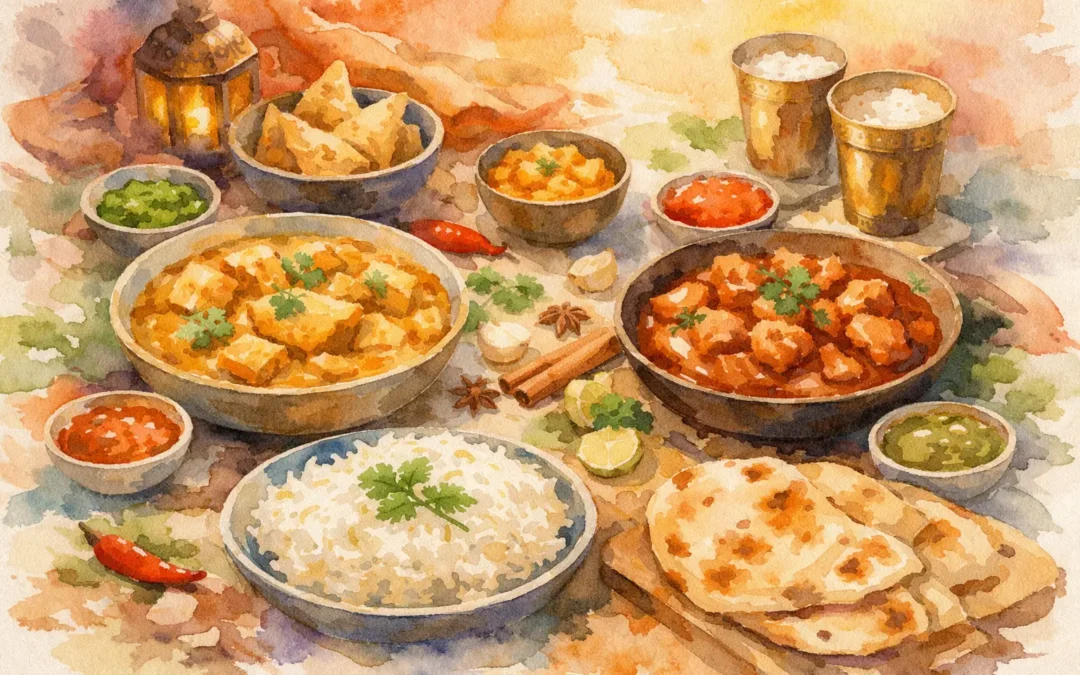
A good curry night starts before anyone sits down at the table. It starts with choosing the right mix of dishes, getting the timing right, and making sure everyone can enjoy the meal without the evening turning into hard work. If you are wondering how to plan curry night in a way that feels generous, relaxed and full of proper flavour, the key is to keep it balanced rather than overcomplicated.
Curry night works best when it feels social. You want enough variety for people to share, but not so many dishes that the table becomes crowded and the food loses its appeal. A well-planned spread should feel colourful, fresh and satisfying, with a few different textures and spice levels so every guest finds something they love.
How to plan curry night without overordering
The easiest mistake is trying to do too much. A better approach is to build your evening around one or two main curries, one rice dish, one bread, and a few sides that add freshness and contrast. That gives everyone choice without leaving you with five versions of the same thing.
If you are serving a family meal, one mild curry and one medium-spiced curry usually works well. This keeps things accessible while still giving proper depth of flavour. For couples or smaller groups, a single main curry with two sides can be more than enough, especially if you want the meal to feel relaxed rather than rushed.
Think about the whole table, not just the mains. Rich sauces need lighter sides. Crisp starters work well before a creamy curry. Pickled onions, chutneys and salads can make a big difference because they cut through spice and add brightness. That balance is often what turns a decent takeaway-style meal into a memorable curry night.
Start with your guest list and appetite
The number of people matters, but appetite matters just as much. A midweek curry night for four after work will look different from a Saturday gathering with friends. If everyone is hungry and settling in for the evening, you can be a bit more generous with starters and breads. If it is a lighter meal, keep the focus on a strong main and a couple of reliable extras.
For two people, you can comfortably plan around one starter to share, one or two mains, rice and naan. For four to six people, sharing becomes part of the experience, so variety matters more. In that case, aim for dishes that contrast with each other. A tomato-based curry beside a creamier one works better than two heavy, rich dishes in similar sauces.
It also helps to ask one simple question before you choose the food: are people coming for heat, comfort, or variety? Some guests want a proper spicy kick. Others want something warming and familiar. If you know that in advance, the menu is much easier to shape.
Build a balanced menu
A successful curry night has contrast. If every dish is rich, the meal can feel heavy quite quickly. If everything is spicy, the flavours start to blur. The best menus mix creamy, tangy, smoky and fresh elements so each dish earns its place.
A practical way to plan is to choose one centrepiece curry first. That might be a classic chicken tikka masala, a slow-cooked lamb dish, or a vegetarian favourite with real depth and warmth. Then choose a second curry that brings something different. If the first is creamy, make the second tomato-based or drier in style. If one is mild, let the other have a bit more heat.
Rice should support the meal, not compete with it. Pilau rice is a dependable choice because it adds aroma without overpowering the curries. Plain boiled rice works well too, especially if your mains are already full of spice. For bread, naan is the obvious favourite, but one basket is usually enough unless you have a larger group.
Sides are where you can round everything out. Onion bhajis bring crunch. Samosas add texture and make a great opener. Sag aloo or bombay potatoes can turn the meal into something more substantial. A fresh salad, cooling raita or a spoonful of mint sauce helps keep the whole table feeling lively rather than too rich.
Include something for different spice levels
Not everyone enjoys the same level of heat, and that is worth planning for. A curry night should feel welcoming to everyone at the table. Including at least one milder dish means guests can enjoy the flavour of the spices without worrying about too much heat.
That does not mean the menu has to be cautious. It simply means being thoughtful. One milder option, one medium dish and one side with a little kick often creates the right mix. People can then build their own plate and find the balance they enjoy.
Do not forget vegetarian options
Even if only one guest prefers vegetarian food, it is worth choosing a dish that feels like a proper part of the meal rather than an afterthought. Indian cooking offers plenty of satisfying vegetarian choices with real character, from lentil dishes to paneer and vegetable curries.
These also work well for mixed groups because they add variety for everyone. A good vegetable side or vegetarian curry often becomes one of the most shared dishes on the table.
Timing matters as much as the food
If you are cooking at home, choose dishes you can prepare ahead or finish quickly. Curry night should feel easy to host. You do not want to spend the evening in the kitchen while everyone else is enjoying themselves.
If you are ordering in, timing still matters. Place your order early enough that you are not waiting too long once guests arrive, particularly on busy evenings and weekends. If you are collecting, agree a collection time that gives you enough space to set the table and get drinks ready. A little planning makes the whole night feel smoother.
For larger gatherings, ordering from a trusted local restaurant can be the easiest way to keep standards high without adding stress. Fresh daily cooking, authentic Indian spices and reliable service make a real difference when you want the meal to feel special but still affordable.
Set the table for sharing
Curry night is not a formal occasion, but it does benefit from a bit of structure. Use serving dishes if you can, keep plenty of spoons on the table, and leave enough space for everyone to share comfortably. A crowded table can make the meal feel chaotic, while a simple layout keeps it relaxed.
Warm plates help if the food will be shared over time. Napkins are essential. Water should always be easy to reach, especially if some of the dishes have more heat. If you are adding drinks, keep them straightforward. Beer, soft drinks or sparkling water tend to work better than anything too complicated.
Lighting and music can help, but they are secondary. Good food served at the right temperature matters more than trying to create a theme.
How to plan curry night for a party or celebration
For birthdays, family gatherings or casual parties, curry night is a strong choice because it suits sharing. It also gives people freedom to eat at their own pace. In this setting, buffet-style service often works better than plated meals.
Choose crowd-pleasing favourites and avoid making every dish too spicy. Guests usually appreciate recognisable classics alongside one or two bolder options. Make sure there is enough rice and bread, because these help everyone build a satisfying plate and stretch the meal naturally.
This is also where ordering from a local restaurant can save a lot of effort. Worthing Indian Cafe & Bar is a practical option for those who want authentic flavour, fresh daily preparation and reasonable price without having to manage every part of the cooking themselves. For parties, that convenience can matter just as much as the menu.
Keep the finish simple
Not every curry night needs pudding. After a full meal with rice, breads and sides, many guests prefer to end with tea, coffee or something light. If you do want dessert, keep it modest. The main event should still be the food you have planned around.
A simple finish helps the evening keep its easy pace. It leaves people satisfied without making the meal feel too heavy.
Make it easy to repeat
The best curry nights are not the ones with the longest menu. They are the ones people want to do again. That usually comes down to flavour, balance and convenience. If the food feels fresh, the portions are right, and the evening runs smoothly, you have got it right.
So when you are planning your next one, focus on a few well-chosen dishes, think about who is coming, and leave room for everyone to enjoy the meal in their own way. A great curry night should feel generous, full of flavour and easy from start to finish.