
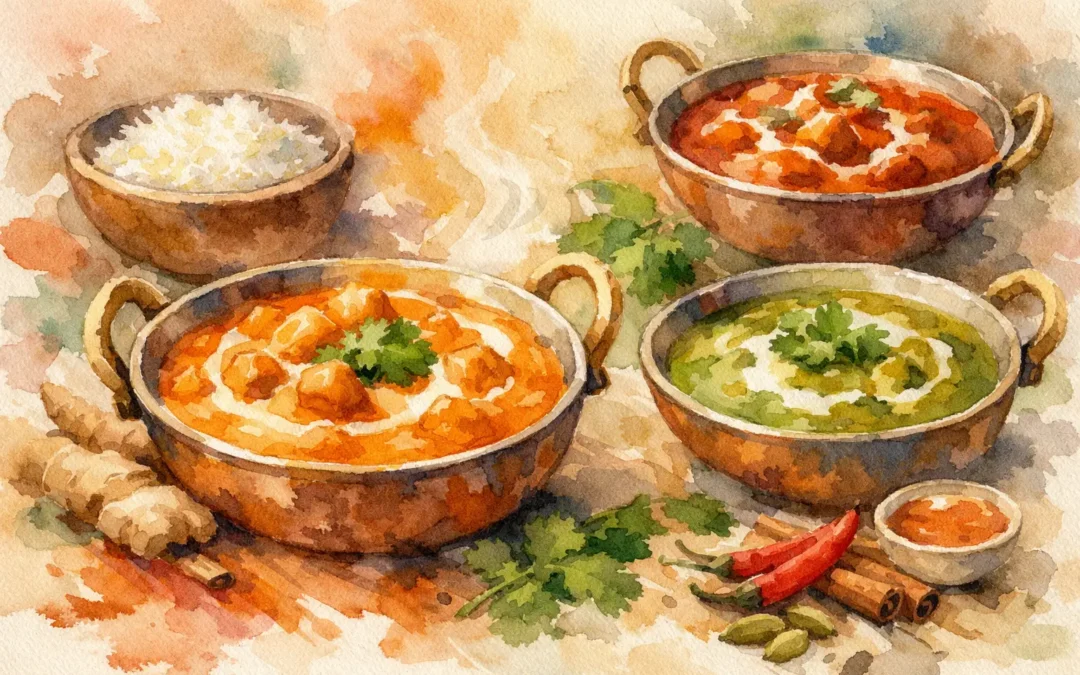
You do not always want heat that hits first. Sometimes the question is simply which Indian curry is creamy, mild enough to feel comforting, but still full of proper spice and flavour. That usually comes down to the sauce base, how the dish is cooked, and whether you want something gently sweet, richly savoury, or balanced somewhere in the middle.
Creamy Indian curries are popular for good reason. They feel generous, satisfying and easy to enjoy, whether you are ordering a relaxed midweek takeaway or sitting down for a meal with family and friends. But not every pale or mild curry is truly creamy, and not every creamy curry tastes the same.
Which Indian Curry Is Creamy? The Short Answer
If you are asking which Indian curry is creamy, the best-known answers are korma, butter chicken, tikka masala and pasanda. In some cases, dishes like malai curry or methi-based curries can also be very smooth and rich. The exact texture depends on the kitchen, because creaminess can come from cream, yoghurt, coconut milk, ground nuts, butter, cashew paste or a slow-cooked onion sauce.
That is why two curries with a similar look can eat very differently. One may be light and silky, while another feels richer and sweeter. One may suit a first-time curry order, while another is better if you want depth without too much chilli.
What Makes an Indian Curry Creamy?
A creamy curry is not just about adding cream at the end. In authentic Indian cooking, the texture usually builds in layers. Onions are often cooked down until soft and sweet, spices are fried gently to bring out aroma, and ingredients such as yoghurt, coconut, butter, cashews or almonds are worked into the sauce to give body.
This matters because creaminess can mean different things. Some dishes are creamy in a dairy-rich way. Others are creamy because the sauce has been blended smoothly or thickened with nuts. A curry can also feel creamy without being especially heavy, which is often the best option if you want comfort without the dish becoming too rich.
For most diners, the key creamy styles fall into a few familiar categories, and each one has its own character.
Korma Is the Classic Creamy Curry
If someone asks for the safest answer to which Indian curry is creamy, korma is usually it. A good korma is mild, smooth and fragrant, with a sauce built from yoghurt, cream, coconut or ground nuts depending on the recipe. It is known for a gentle finish rather than strong chilli heat.
That does not mean it should be bland. A well-made korma still carries spice, just in a softer way. You may notice cardamom, cumin, coriander and a subtle sweetness that rounds everything out. Chicken korma is probably the best-known version, but lamb, king prawn and vegetable korma can all work beautifully when cooked fresh.
The trade-off is simple. If you love bold chilli heat, korma may feel too mild. If you want a creamy curry that is comforting and easy to enjoy, it is often the first place to start.
Butter Chicken Is Rich, Smooth and Crowd-Pleasing
Butter chicken is another strong answer when people ask which Indian curry is creamy. It has a tomato-based sauce, but the finished dish is softened with butter and cream, giving it a velvety texture and a rounded, slightly sweet flavour.
Compared with korma, butter chicken usually has a bit more tang from the tomato and a deeper savoury finish. It is still very approachable, which is why it suits couples, families and anyone ordering for a group with mixed spice preferences. The chicken is often marinated first, which adds tenderness and another layer of flavour.
If you want creamy without going too sweet, butter chicken is a smart choice. It feels rich, but it still has enough spice character to remind you that you are eating a proper curry, not just a mild sauce.
Tikka Masala Can Be Creamy Too
Chicken tikka masala often sits in the middle ground. It is not always as creamy as korma or butter chicken, but many versions are smooth, rich and very satisfying. The sauce normally combines tomato, cream and spices, giving a balanced result that is mildly spiced, slightly tangy and full of flavour.
This is one of the most popular choices for diners who want a curry that feels indulgent but not overly mild. It tends to have more presence than korma, yet it is still accessible if you are not after strong heat.
The important point is that tikka masala varies quite a lot from one kitchen to another. Some versions are thick and creamy, others are more tomato-led. If creaminess is your main priority, it is worth checking how the dish is prepared.
Pasanda Is Mild, Creamy and Slightly Sweet
Pasanda is a dish that deserves more attention when discussing creamy curries. Traditionally made with tender pieces of meat in a smooth, mild sauce, it often includes cream, yoghurt and nuts. The result is delicate, rich and gently sweet.
Lamb pasanda is especially popular because the softness of the sauce matches the richness of the meat. It is a very good option if you enjoy curry but prefer warmth and fragrance over chilli-led heat.
Like korma, pasanda can sometimes be underestimated because it is mild. In reality, when made properly, it has real depth. It is simply built around smoothness rather than spice intensity.
Other Creamy Indian Curries Worth Knowing
There are a few other dishes that can be creamy, depending on the recipe and region. Malai dishes are a good example. The word often points to creaminess, and you will usually find a soft, rich texture with gentle seasoning. Coconut-based curries can also feel creamy, especially in southern Indian styles, although the flavour profile is different from a nut- or yoghurt-based north Indian curry.
Some methi curries use cream to soften the slightly earthy, aromatic taste of fenugreek. These can be rich and elegant without being too heavy. Saag dishes, while not always creamy in the same sense, may include cream or butter for a smoother finish, especially when paired with paneer or chicken.
So if you are choosing from a menu, it helps to look beyond the hottest or most familiar names. Creamy does not belong to one single curry. It is a style that shows up in different forms.
How to Choose the Right Creamy Curry for Your Taste
The best curry depends on what you mean by creamy. If you want the mildest and gentlest option, korma is usually right. If you want creamy with a richer tomato-butter flavour, butter chicken is a safer bet. If you want a little more spice while keeping that smooth texture, tikka masala often works well. If you prefer something soft, elegant and slightly sweet, pasanda is worth trying.
It also depends on who you are ordering for. A family meal or group order often needs broad appeal, so butter chicken and tikka masala tend to please the most people. For a quieter meal where comfort is the goal, korma is hard to beat. If you are pairing the curry with pilau rice, naan and a few sides, a richer sauce can feel balanced. If you want the curry to stand alone, you may prefer something lighter.
This is where a fresh kitchen makes a difference. Creamy curries should still taste bright and properly spiced, not heavy for the sake of it. Fresh ingredients, careful cooking and balanced seasoning stop the sauce from becoming flat.
Which Indian Curry Is Creamy but Not Too Sweet?
For many diners, this is the real question. Some creamy curries can lean sweet, especially if coconut or nuts play a large role. If you want a smoother curry without that sweeter edge, butter chicken and some tikka masalas are usually the best fit.
You can also look for creamier dishes with more savoury spices and less coconut. A good chef will balance richness with warmth, tomato acidity or aromatic spice so the dish tastes rounded rather than sugary. That balance is often what separates an average creamy curry from one you will order again.
Ordering a Creamy Curry with Confidence
If you are unsure where to start, ask for a mild, creamy curry with authentic spice flavour rather than high heat. That gives you the best chance of landing on something satisfying and well balanced. At Worthing Indian Cafe & Bar, fresh daily cooking, authentic Indian spices and a reasonable price make it easier to choose a dish that feels both comforting and full of character.
A creamy curry should never feel like a compromise. Done properly, it brings together richness, aroma and warmth in a way that suits an easy dinner, a weekend takeaway or a relaxed meal out. If you are deciding what to order next, go for the dish that matches your mood as much as your spice level – because the right creamy curry is the one you will enjoy to the last spoonful.