
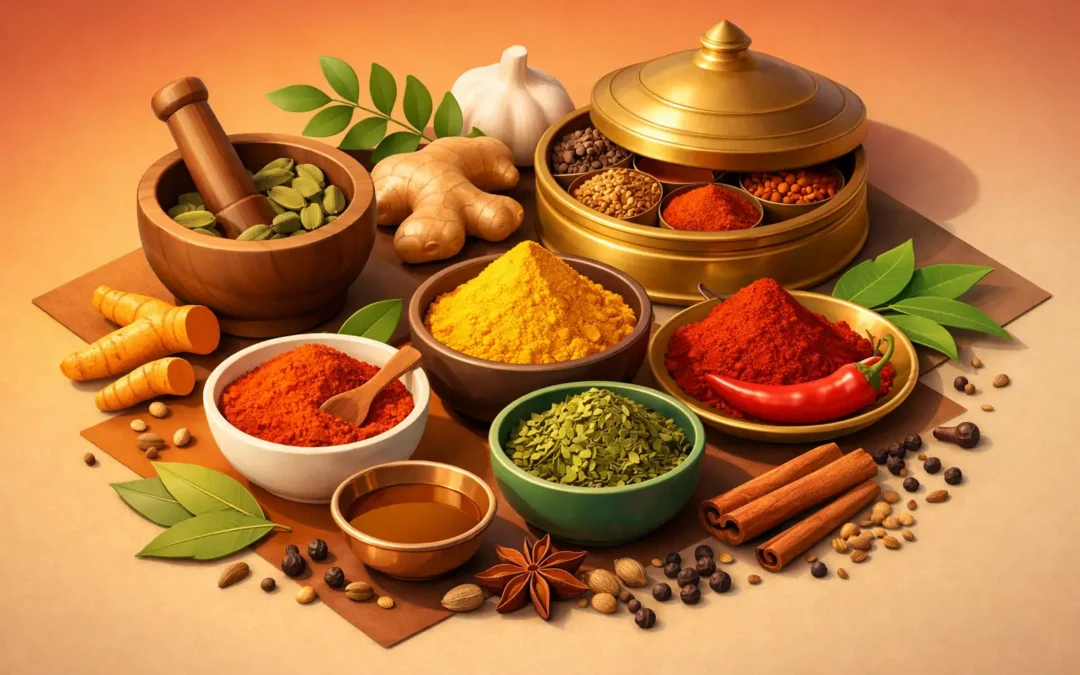
One dish smells warm and earthy, another feels bright and fresh, and a third brings a slow, gentle heat that builds with every bite. That range is exactly why authentic Indian spices explained properly can make such a difference to how you choose a curry, a street food favourite, or a family takeaway. Indian cooking is not about making everything hot. It is about balance, depth, and using each spice for a clear purpose.
For many people, the word spice still gets reduced to one question – how spicy is it? In reality, Indian food is built on layers of flavour. Some spices add warmth, some add sweetness, some bring colour, and others sharpen the whole dish. Once you understand that, menus become easier to read and flavours become easier to enjoy.
Authentic Indian spices explained for everyday diners
The easiest place to start is with a simple truth: spices do different jobs. Turmeric gives colour and a soft earthy note. Cumin adds warmth and nuttiness. Coriander brings a fresh citrus edge. Cardamom can add sweetness and perfume, while mustard seeds bring a slight bitterness and crackling depth when cooked in oil.
That matters because a dish is rarely built around just one spice. A good curry, biryani, or chaat relies on combination and timing. Some spices are toasted at the beginning to flavour the oil. Others are ground into the sauce. Some are added near the end so they keep their fragrance. That is why two dishes can both contain cumin and coriander yet taste completely different.
Freshness matters too. Spices lose strength over time, especially once ground. When spices are used well, the flavour is fuller and cleaner, not dusty or harsh. You taste the difference in the first mouthful.
The core spices behind authentic Indian flavour
Cumin
Cumin is one of the most familiar Indian spices, but it is often misunderstood. Its flavour is warm, earthy, and slightly nutty. It can be used whole or ground. Whole cumin seeds are often fried briefly in oil at the start of cooking, which releases a deep savoury aroma that forms the backbone of many curries, dals, and rice dishes.
If you have ever wondered why a dish tastes comforting rather than fiery, cumin is often part of the answer. It adds body more than heat.
Coriander
Ground coriander has a light citrus quality with a gentle sweetness. It helps round out stronger spices and keeps a curry from feeling too heavy. It is one of the reasons many Indian dishes taste lively rather than dense.
Coriander is often paired with cumin because the two balance each other naturally. One gives warmth, the other gives lift.
Turmeric
Turmeric is known for its golden colour, but colour is only part of the story. Its flavour is earthy and slightly bitter, and it helps build the base of many sauces and marinades. Used well, it adds depth without overpowering a dish.
Too much turmeric can make food taste flat and chalky, so this is a good example of where skill matters. Authentic cooking is rarely about adding more. It is about adding the right amount.
Garam masala
Garam masala is not one spice but a blend, and that is where a lot of confusion begins. Different kitchens use different versions. One blend may lean warming and peppery, while another may be sweeter and more aromatic.
Typically, garam masala includes spices such as cardamom, cinnamon, cloves, cumin, and black pepper. It is often added later in cooking to keep its aroma intact. That final layer can make a curry smell richer and taste more rounded.
Mustard seeds
Mustard seeds are especially common in regional Indian cooking, particularly in dishes from the south and east. When added to hot oil, they pop and release a sharp, nutty flavour. They bring a very different character from the warmer profile of cumin.
Not every customer notices mustard seeds by name, but they often notice the effect – a brighter, more savoury finish.
Cardamom
Cardamom can be green or black, and the difference is worth knowing. Green cardamom is sweet, floral, and aromatic. It appears in rice dishes, kormas, and desserts. Black cardamom is darker, smokier, and more intense, often used in richer savoury dishes.
This is one reason Indian food can feel fragrant without being sweet. Aromatic spices create complexity, not sugariness.
Cloves and cinnamon
Cloves bring warmth and a slight sharpness. Cinnamon adds sweetness and woody depth. In savoury Indian cooking, both are usually used with restraint. The goal is not to make a dish taste like pudding. The goal is to build a richer background flavour.
When these spices are balanced well, they give curries and rice dishes a fuller finish that lingers pleasantly.
Chilli
Chilli deserves its own section because it is the spice most people ask about first. In Indian cooking, chilli adds heat, but it can also add fruitiness, smokiness, and colour depending on the type used. Fresh green chillies taste different from dried red chillies, and chilli powder behaves differently again.
Heat is only one part of flavour. A dish can be highly spiced without being very hot, and a hot dish can still be balanced if the other spices are working properly.
Why Indian food is about balance, not just heat
When people say they want authentic Indian food, they often mean they want proper flavour rather than a one-note sauce. That comes down to balance. A good dish may include warmth from cumin, sweetness from cinnamon, earthiness from turmeric, fragrance from cardamom, and a measured level of chilli. No single element should drown out the others.
This is also why the same spice blend does not suit every dish. A creamy korma needs a different balance from a tomato-based curry. A dry street food dish needs a different lift from a slow-cooked lamb curry. It depends on the ingredients, the region, and the style of cooking.
That variety is one of the strengths of Indian cuisine. It gives you choice. If you prefer gentle, fragrant dishes, there are plenty. If you enjoy deeper, bolder flavours, there are plenty of those too.
Authentic Indian spices explained through popular dishes
Think about a few familiar examples. In a tikka dish, spices often support the marinade and char, creating warmth and colour without masking the grilled flavour. In a jalfrezi, the spices work alongside peppers, onions, and tomato for a brighter, sharper result. In a biryani, whole spices such as cardamom, cloves, and cinnamon perfume the rice while keeping the dish distinct from a standard curry.
Street food uses spices differently again. Chaat masala, for example, brings tang, saltiness, and a punchy finish that makes snacks taste lively and moreish. It is not heavy, but it is instantly recognisable.
That is why reading a menu becomes easier once you understand the role of spices. You start to recognise whether a dish is likely to be rich, fresh, smoky, tangy, or warming.
What authenticity really means
Authenticity does not mean every dish must be extreme, old-fashioned, or unfamiliar. It means the spices are used with respect for the dish, the ingredients are handled properly, and the flavour feels true rather than rushed. Freshly prepared food, consistent cooking, and well-balanced spice blends matter far more than simply making something hotter.
For local diners, that also means Indian food can be approachable. You do not need expert knowledge to enjoy it. If the spices are balanced well, the food speaks for itself. At Worthing Indian Cafe & Bar, that is exactly the point – authentic flavour made fresh daily, served in a way that works for a relaxed meal out, a quick collection after work, or an easy family takeaway at a reasonable price.
How to enjoy Indian spices with more confidence
If you are unsure where to begin, focus on flavour words rather than heat levels. Look for dishes described as earthy, fragrant, smoky, or tangy. Ask yourself whether you want something creamy and mild, bright and tomato-led, or rich and slow-cooked.
It also helps to remember that your favourite dish may not be the hottest one. Many people come back to meals where the spices feel layered and satisfying rather than aggressive. That kind of balance keeps each mouthful interesting.
The best way to think about Indian spices is not as a test of tolerance, but as the reason a meal feels complete. Once you know what cumin, coriander, turmeric, cardamom, mustard seeds, and chilli each bring to the plate, choosing becomes easier and eating becomes even better. The next time you order, trust your appetite and look for the flavours that sound warm, fresh, and properly balanced.