
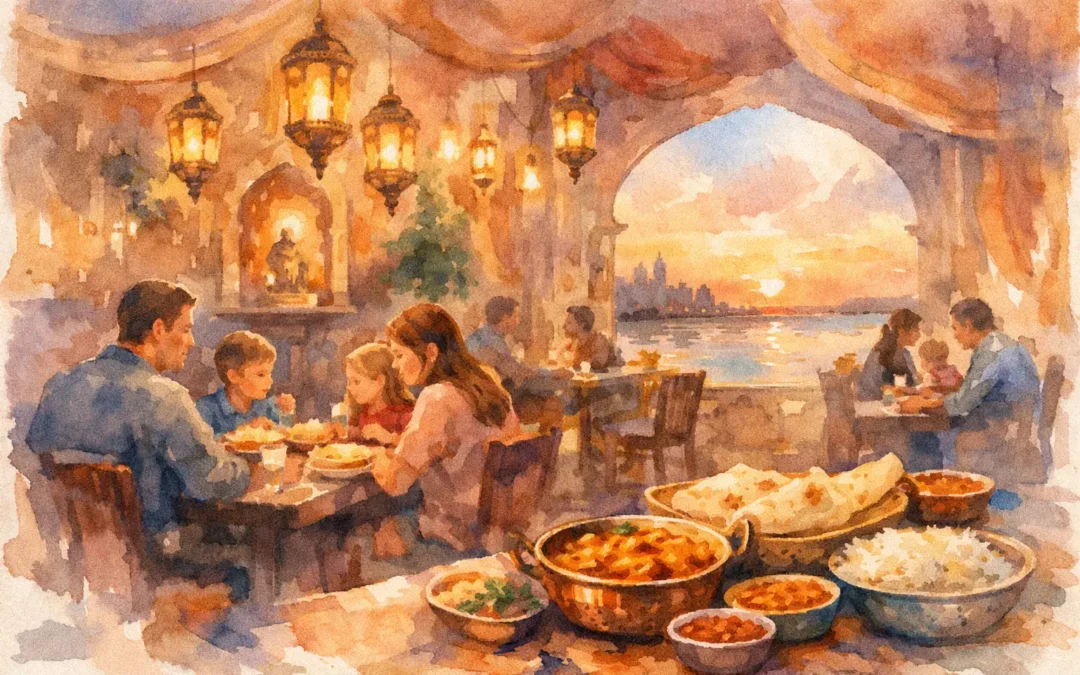
A good family meal should not involve negotiating over every plate. At a family friendly curry restaurant, adults can enjoy proper Indian flavour while children and cautious eaters have familiar, freshly prepared choices that feel comfortable from the first bite. The aim is simple: relaxed dining, reasonable prices and food everyone is pleased to share.
Indian food is often thought of as a special-occasion meal or a late-night takeaway, but it works just as well for a weekday supper, a Saturday lunch or a birthday table with three generations together. The difference is in the welcome, the flexibility of the menu and the care taken with each dish.
What makes a curry restaurant family friendly?
It is more than having room for a high chair or offering a mild curry. Families need a place that feels easy from the moment they arrive. They want clear menu choices, helpful service, sensible portions and food that arrives fresh without a long wait.
For parents, a family meal is rarely only about their own order. One person may want a richly spiced regional curry, another may prefer grilled chicken, and a younger diner may be happiest with rice, naan and a gently seasoned dish. A good Indian restaurant makes space for all of that without making anyone feel like an afterthought.
The best menus combine well-known classics with Indian street food and regional dishes. This gives regular diners something new to try, while keeping trusted favourites available for children and less adventurous guests. Fresh daily ingredients and traditional spices matter here. They bring depth and aroma to a dish, rather than heat for heat’s sake.
Spice should be a choice, not a challenge
One of the biggest worries for families trying Indian food is whether it will be too spicy. In reality, Indian cooking offers a wide range of flavours. Creamy, tomato-based and gently seasoned dishes can be full of character without being hot, while stronger curries are there for guests who enjoy more chilli and richer spice.
It helps to ask the team for guidance when ordering. A mild dish may suit a child who is new to curry, but some children enjoy a little warmth once they have tried it alongside rice, naan or yoghurt. Heat preferences vary, even within the same family, so a restaurant that listens and makes practical recommendations can make the meal much more enjoyable.
Choosing dishes for every appetite
Sharing is one of the easiest ways to make an Indian meal work for a group. Start with a few street-food-style small plates or starters, then place several curries, breads and rice dishes in the middle of the table. It gives everyone the freedom to try a little of something new without committing to a whole dish.
For younger diners, mild chicken dishes, tandoori-grilled options, vegetable sides, plain rice and soft naan are often a reliable place to begin. The familiar textures help, but the food should still taste like real Indian cooking, made with fresh ingredients rather than watered down.
Adults may prefer to balance those gentler choices with a regional curry, a fragrant biryani or a dish with more aromatic spice. Vegetable dishes are also valuable at a family table. They add colour, variety and an option for vegetarian guests, while making the meal feel more generous without pushing up the cost.
There is no single perfect order. A family with toddlers may favour a quieter selection of mild dishes and breads. A group with older children can enjoy more sharing plates and bolder flavours. The useful approach is to order for the people at the table, not for an idea of what an Indian meal is supposed to look like.
A family friendly curry restaurant for busy days
Families do not always have time for a long restaurant visit. After school, after work or following a busy day at the coast, the practical details matter as much as the menu. Easy booking, friendly service and reliable food make dining out feel like a treat rather than another task to organise.
That same flexibility matters at home. Click and collect is ideal when everyone is hungry and you want to serve dinner quickly. Delivery can turn a hectic evening into a proper shared meal without cooking from scratch, while takeaway lets you choose the dishes you know your household will enjoy.
Worthing Indian Cafe & Bar brings together dine-in meals, collection and delivery, so families can enjoy authentic Indian flavours in the way that suits their plans. Whether it is a quick midweek order or a table for a relaxed get-together, the focus remains on fresh daily food, traditional spices and customer-friendly prices.
Value means enough choice, not less quality
Eating out as a family can become expensive quickly, which is why reasonable pricing matters. Value is not simply the lowest bill. It is getting freshly made food, generous flavour and enough variety for everyone to leave satisfied.
Sharing breads, rice and sides is often a sensible way to build a meal, especially for groups with different appetites. It also prevents waste. Instead of ordering too much for each person, start with a balanced selection and add more only when needed.
For a family celebration, private party or larger gathering, planning ahead makes the experience easier. Let the restaurant know the group size, any dietary requirements and whether young children are joining. A little preparation helps the kitchen and front-of-house team suggest an order that feels generous, manageable and suited to the occasion.
Making Indian food enjoyable for children
Children are more likely to try something unfamiliar when there is no pressure attached. Let them choose a bread, dip it into a sauce or taste a spoonful of curry with rice. Small first steps are often more successful than asking them to finish a full portion of a new dish.
It can also help to describe food by flavour rather than by assuming that all curry is hot. A dish might be creamy, lightly sweet from tomato and onion, smoky from the grill, or fragrant with warming spices. Those descriptions are more useful to a child than a vague promise that something is “not too spicy”.
Parents know their children best, and some will be ready to explore while others will want familiar food beside one new taste. Both are completely fine. The goal is a relaxed meal where everyone can eat well, not a test of adventurousness.
Why fresh preparation matters at the family table
Freshness is easy to notice in Indian food. Vegetables should have colour and texture, breads should be soft and warm, and curries should taste layered rather than heavy. Handpicked produce, carefully prepared sauces and traditional spices all contribute to food that feels satisfying without being overly complicated.
For families, this consistency builds trust. When a restaurant gets the basics right time after time, it becomes the place you can choose for an impromptu supper, visiting relatives or a group meal without second-guessing the experience. Authentic food does not need to feel exclusive. It should be welcoming, dependable and enjoyable for everyday occasions.
The next time you are deciding where to eat, choose a table where everyone can find something to enjoy, share a few dishes and take home a new favourite. That is often all it takes to make a family meal feel properly special.