
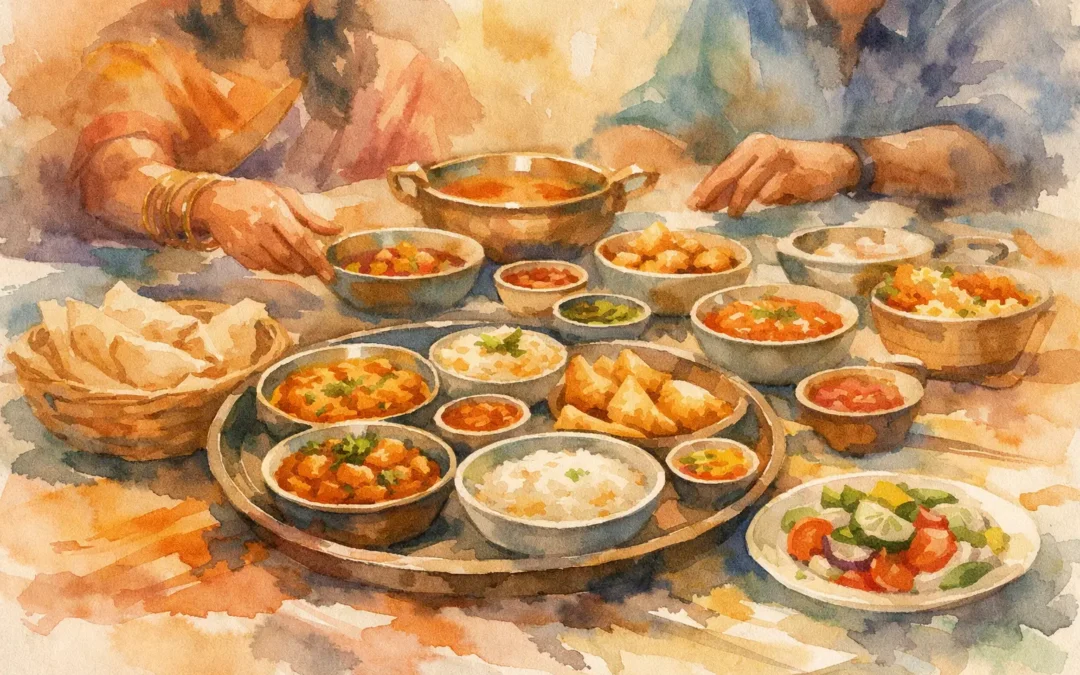
A good family meal usually falls apart in the same place – one person wants something mild, someone else wants plenty of spice, the children prefer familiar sides, and nobody wants to spend the whole evening in the kitchen. If you are wondering how to plan indian family meal options that keep everyone happy, the answer is not cooking more. It is choosing the right mix of dishes, portions and timings so the table feels generous without feeling stressful.
Indian food works especially well for family dining because it is built for sharing. A proper spread lets everyone pick what suits them, from rich curries and grilled favourites to rice, breads and fresh sides. The key is balance. Too many heavy dishes and the meal feels overwhelming. Too many similar flavours and nothing stands out.
How to plan an Indian family meal without overordering
Start with the number of people, then think about appetite rather than strict portion maths. A family meal for four adults is very different from a meal for two adults and two young children. Some groups want a full Friday night feast. Others just want a reliable midweek dinner with enough variety to feel like a treat.
For most families, the easiest approach is to build the meal in layers. Begin with one or two mains everyone can enjoy, add a contrasting dish for variety, then finish with the staples that make the meal complete. That often means a mild curry, a richer or spicier option, rice, breads and one fresh side. You do not need six curries on the table to make it feel special.
A useful rule is to avoid ordering every dish from the same style. If you choose a creamy curry such as korma or butter chicken, pair it with something brighter or more tomato-based. If one dish is dry or grilled, add one with a sauce so the rice and naan have something to work with. That contrast makes the meal feel more rounded and usually keeps waste down as well.
Build the meal around your family, not the menu
The best Indian family meals are planned around who is eating, not around trying to sample everything at once. If you have children or relatives who prefer gentle flavours, lead with familiar, comforting dishes. A chicken korma, tikka masala or mild lentil dish can anchor the meal nicely. Then add one dish with a bit more depth, such as a jalfrezi, bhuna or madras, for those who enjoy more heat.
This is where many people get it wrong. They plan for the most adventurous eater at the table and hope everyone else joins in. In practice, family dining works better when the core order is broadly appealing and the bolder flavours sit alongside it. That way nobody is left with only plain rice and naan while the rest of the table enjoys the mains.
Vegetarian choices also deserve proper thought rather than being treated as an extra. Indian cuisine offers plenty of satisfying options that stand comfortably beside meat dishes. Saag paneer, chana masala, dal tarka or a mixed vegetable curry can add colour, texture and balance to the meal. Even in households that usually order chicken or lamb, one good vegetarian dish often becomes the one everyone keeps coming back to.
Choose mains that complement each other
If you want the meal to feel generous but still easy to manage, three mains is often enough for a family of four to five, especially once rice, breads and sides are added. The trick is to make each one bring something different.
A simple combination might include a creamy chicken dish, a medium-spiced lamb or vegetable curry, and a tandoori or tikka-style option. That gives you sauce, richness and a smokier grilled note across the table. If your family prefers milder food, you can keep all three on the gentler side but vary the base flavours so they do not blur into one another.
Seafood can also work well in a family meal, though it depends on the group. Prawn dishes bring freshness and lighter flavour, but they are often best chosen when most people at the table already enjoy them. For larger family gatherings, chicken and vegetarian dishes tend to be the safest centrepieces because they please the widest range of appetites.
Portion planning matters here. Indian meals are designed to be shared, so a family spread usually needs fewer mains than people expect. Ordering too many curries sounds generous but often leads to half-finished tubs in the fridge. A better result comes from choosing fewer dishes with real variety.
Do not overlook rice, naan and sides
The mains get most of the attention, but the staples are what make the meal feel complete. Rice softens spice, naan adds comfort, and simple sides bring contrast. If the curries are the headline, these are what keep the meal flowing.
Pilau rice is a reliable choice for most family meals because it adds gentle fragrance without competing with the mains. Plain rice is useful if you have children or anyone who prefers simpler flavours. If you are deciding between ordering extra curry or adding another rice and bread, the rice and bread usually give better value for a family table.
With naan, think practically. One plain naan and one garlic naan will suit most groups, while keema or peshwari naan are better chosen when you know the family enjoys them. Richer naans can be delicious, but they can also shift the balance of the meal if the curries are already creamy.
Sides are where freshness comes in. Onion salad, raita or a simple vegetable side can stop a heavy meal from feeling too rich. This is particularly helpful if your order includes fried starters or indulgent curries. A cool yoghurt-based side is not just traditional – it genuinely improves the overall balance.
Starters should set the tone, not fill everyone up
For many families, starters are the first place to trim if budget or appetite matters. They are enjoyable, but they should open the meal rather than become the meal. If you are planning a relaxed dinner at home, one or two starters to share are usually enough.
The best choices are easy to pass around and broadly popular. Onion bhajis, vegetable samosas, chicken tikka or seekh kebabs all work well because they offer variety without being too heavy. If you already know the mains will be generous, keep the starters lighter and avoid ordering too many fried items at once.
For a celebration meal, you can be more generous with starters, but it still helps to think in contrast. A grilled starter and a crisp vegetarian starter often do more for the table than three similar fried options.
How to plan an Indian family meal for weeknights and occasions
A Tuesday night family meal and a birthday dinner should not be planned in exactly the same way. On a weeknight, convenience matters most. Choose dependable favourites, keep the order balanced, and focus on dishes that reheat well if there are leftovers. This is where authentic, fresh daily cooking at a reasonable price makes all the difference, because the meal feels special without becoming a big project.
For birthdays, visiting relatives or larger get-togethers, go broader. Add a starter or two, include a standout main with more spice or richness, and make sure there is enough rice and naan for the table to share comfortably. If you are feeding a mixed group, always keep at least one mild main and one vegetarian option in the order. It is a small decision that makes the whole table easier to cater for.
If you are ordering from Worthing Indian Cafe & Bar, this kind of planning is straightforward because the menu naturally suits both casual family dinners and bigger shared meals. The key is not ordering more than necessary, but ordering smart.
Keep budget and value in mind
A well-planned Indian family meal should feel abundant without becoming expensive for the sake of it. Better value comes from choosing dishes that work hard across the table. Rice, naan and a well-chosen vegetarian curry can stretch the meal beautifully, while too many premium mains can push up the cost without improving the experience.
This does not mean cutting corners. It means knowing where the meal gets its satisfaction from. Families remember a balanced, flavourful spread more than they remember whether there were seven different dishes on the worktop.
If you are feeding different ages and appetites, leave a little room for flexibility. Some nights you need an easy takeaway everyone will eat without fuss. Other nights you want the full spread with starters, curries and warm breads. Both can be the right choice when the meal is planned around the people at the table.
The best family meals are the ones that feel relaxed from the first bite. Choose a few dishes with contrast, make space for mild and bold flavours, and let the table do what Indian food does best – bring everyone in without making dinner hard work.