
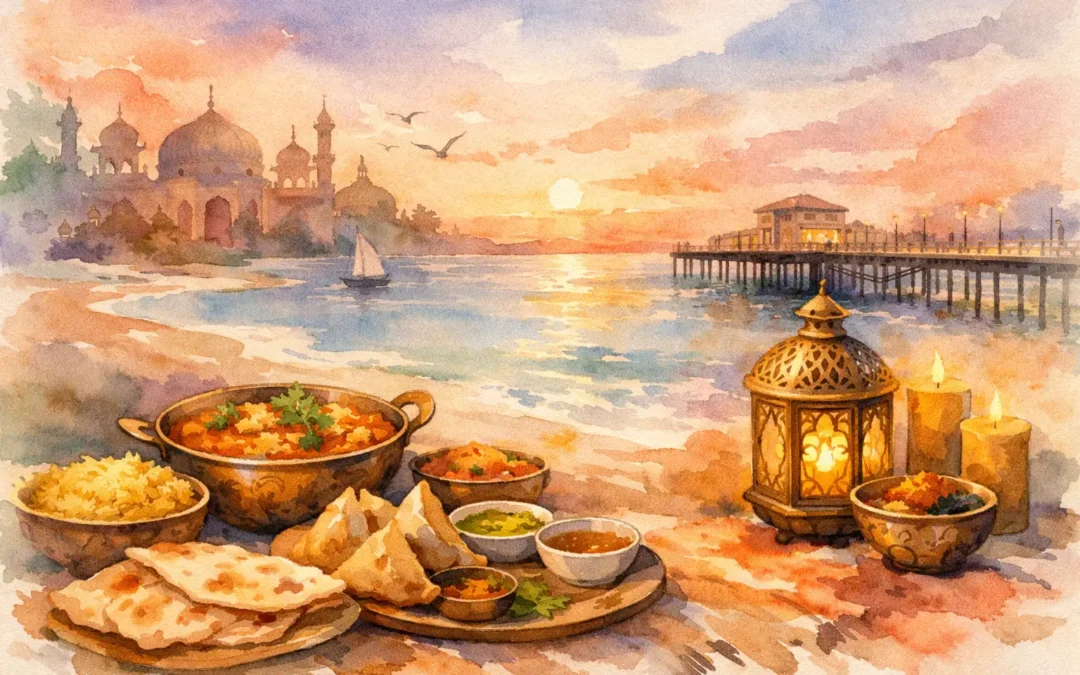
A weekday curry no longer has to mean the same familiar order, and a meal out does not need to be saved for a special occasion. The best Indian dining trends are making authentic flavour more accessible: fresh street food for a quick bite, regional dishes with real character, and flexible ways to enjoy a proper Indian meal at home or around the table.
For local diners, the appeal is straightforward. People want food that tastes generous and freshly prepared, but they also want choice, reasonable prices and an ordering experience that fits a busy day. Whether it is a relaxed dinner for two, a family takeaway or food for a celebration, Indian food is increasingly being enjoyed on everyday terms.
Indian dining trends are becoming more regional
Indian cuisine is not one fixed menu. Every region has its own ingredients, techniques and balance of spice. That variety is one of the most exciting changes in modern Indian dining. Alongside well-loved classics such as korma, tikka masala and jalfrezi, diners are becoming more curious about dishes that show the different sides of Indian cooking.
Northern Indian dishes are often known for rich sauces, tandoor cooking and warming spices. South Indian influences can bring coconut, curry leaves, mustard seeds and tangier flavours. Street-food traditions offer crisp textures, chutneys and layers of sweet, sour, spicy and savoury flavour in one bite. Each has a place on the table.
This does not mean every meal needs to be unfamiliar or extra hot. It simply means there is more to try. A dependable favourite can sit alongside a new starter or side dish, allowing everyone in the group to eat comfortably while still making the meal more interesting.
Familiar favourites still matter
Trends do not replace the dishes people genuinely love. A well-made classic curry remains a reliable choice because it is comforting, satisfying and easy to share. The difference is that diners increasingly expect those favourites to be prepared with fresh ingredients, traditional spices and care rather than treated as an afterthought.
The right balance is choice without complication. A menu should make it easy to order a mild dish, a fuller-bodied curry or something with a real chilli kick, without requiring customers to know every regional detail before they choose.
Street food is moving from snack to main event
Indian street food has become a favourite for good reason. It is lively, sociable and full of contrast. Crisp samosas, spiced potato dishes, grilled kebabs and chaat-style flavours bring a sense of occasion even when you are only stopping for a quick meal or ordering dinner after work.
Street food also suits the way many people eat now. Rather than every person ordering one large dish, friends and families often want a few plates to share at the start. It creates a more relaxed meal, gives everyone a chance to try something different and works especially well with drinks or a casual evening out.
Freshness matters here. A crisp starter should arrive crisp, chutneys should taste bright, and spices should add depth rather than cover everything else. When these details are right, street food feels just as satisfying for a Friday night table booking as it does for a convenient takeaway.
More diners are looking for freshness and clear flavour
One of the strongest shifts in Indian dining is not a single dish. It is the expectation that food should taste freshly made. Customers are paying more attention to quality, whether they are eating in the restaurant or opening a delivery bag at home.
Fresh daily ingredients, handpicked produce and traditional spice blends make a noticeable difference. A good curry should have its own character: the warmth of cumin, the fragrance of cardamom, the earthiness of turmeric or the gentle sweetness of onion cooked properly. Heat has a role, but it should not be the only flavour.
This is particularly important for takeaway and delivery. Food has to travel well, but it should still feel like a meal rather than a compromise. Rice should be fluffy, breads should be soft and dishes should arrive hot, well packed and ready to enjoy. Some items naturally travel better than others, so a balanced order often works best: choose a curry, rice or naan, and a starter or side that will keep its texture.
Flexible dining is now part of the experience
The most useful dining trend is simple: people want to enjoy good food in the way that suits them. One night that may mean sitting down with friends. On another, it may mean collecting a quick order on the way home. Delivery can be the best option when the weather is poor, the children are settled or nobody fancies cooking.
This flexibility has changed what customers expect from a local restaurant. The food needs to be consistent across dine-in, click and collect, takeaway and delivery. Customers should be able to order with confidence, knowing that their usual dish will be prepared with the same attention whether it is served at a table or enjoyed from the sofa.
For families, this flexibility is especially valuable. Different appetites and spice preferences are normal, not a problem. A meal can include a mild curry, a richer dish, grilled options, vegetable sides and breads for sharing. Indian food is naturally well suited to this kind of table, where everyone can find something they enjoy.
Sharing plates are shaping social meals
Dining out is often as much about the company as the food. More groups are choosing meals built around sharing starters, side dishes and breads before moving on to individual curries or larger dishes for the table. It makes ordering more social and removes the pressure to choose just one flavour.
For couples, sharing is an easy way to turn a casual meal into a proper evening out. For groups, it keeps the table varied and allows guests with different tastes to eat well together. The key is not to over-order. Two or three starters between a small group, followed by curries, rice and naan to share, is often more satisfying than filling the table with too many dishes at once.
This approach also works well for private parties and functions. A considered menu with a mixture of mild, medium and spicier dishes gives guests freedom while keeping service practical. Food that is generous, straightforward and full of flavour helps people relax and enjoy the occasion.
Plant-based and lighter choices are part of the everyday menu
Vegetarian Indian food has always offered far more than a backup option. Lentils, chickpeas, paneer, vegetables and fragrant sauces can make a complete, filling meal. As more diners look for meat-free meals during the week, these dishes are taking a more central place on the menu.
There is no single definition of a lighter Indian meal. For one person, it may be a vegetable curry with rice. For another, it may be tandoor-grilled food with a fresh side dish. What matters is having genuine choice, with flavour and satisfaction still at the centre.
It is worth remembering that lighter does not have to mean bland. Fresh herbs, ginger, garlic, lemon, roasted spices and carefully prepared vegetables can create plenty of depth without relying on a heavy sauce. Equally, there is nothing wrong with enjoying a rich curry when that is what you fancy. Good dining is about choice, not rules.
Value now means quality as well as price
People are rightly more thoughtful about where they spend their money. A reasonable price remains important, but value is also about portion size, freshness, consistency and whether the meal feels worth repeating. A takeaway that arrives quickly but lacks flavour is not good value. Neither is a costly meal that leaves diners wanting something more substantial.
The best local restaurants understand this balance. They make authentic food approachable, offer enough choice for regular customers and keep standards steady from one order to the next. That is why a local favourite becomes part of a weekly routine rather than a once-a-year treat.
At Worthing Indian Cafe & Bar, that means keeping the focus on fresh daily preparation, authentic Indian spices and food that works for a quick midweek order as well as a long-awaited get-together.
Choose the trend that suits your table
There is no need to chase every new dish or order outside your comfort zone. Start with what you enjoy, then add one new flavour to the table: a street-food starter, a regional curry, a vegetable side or a different bread to share. That small change can make an ordinary meal feel more generous.
The strongest trend is simply this: Indian food is becoming easier to enjoy well, whatever your plans. Pick the flavours that suit the people around your table, order with confidence, and make room for something freshly prepared and full of character.