
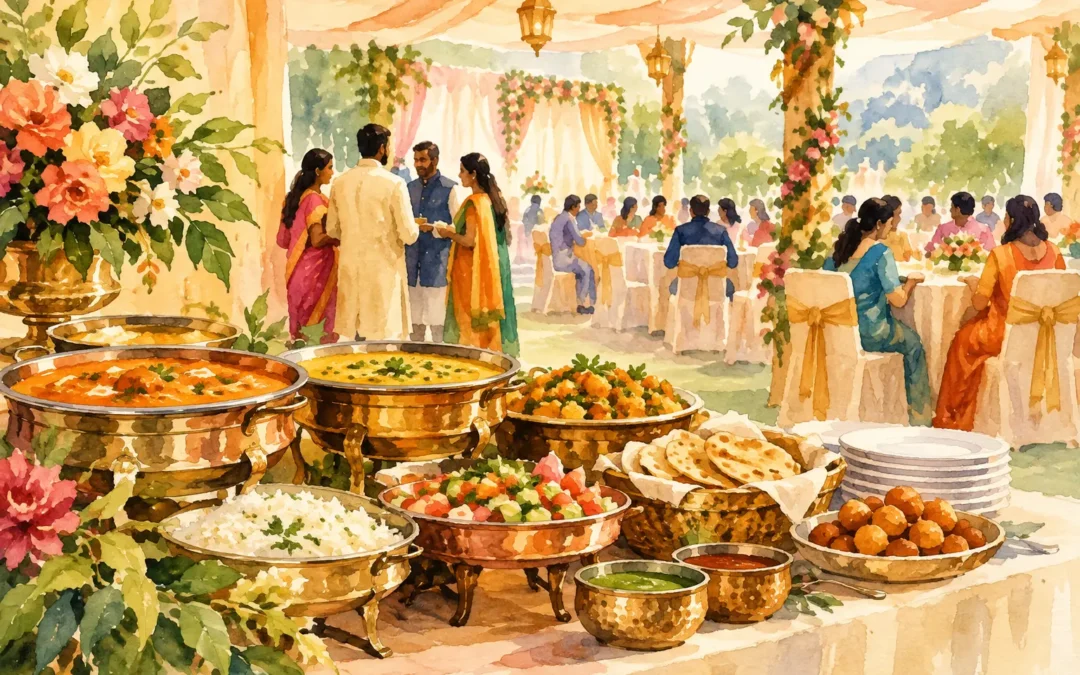
A great party meal does more than fill plates. It gives guests a reason to gather around the table, try something new and remember the occasion long after the last dish has been cleared away. This Indian function catering guide will help you plan food that feels generous, authentic and easy for every guest to enjoy.
Whether you are arranging a birthday, family get-together, office celebration, engagement party or relaxed evening with friends, Indian food suits the occasion. The variety of flavours, colourful dishes and shareable style mean there is something for spice lovers, cautious eaters, vegetarians and meat eaters alike. The key is choosing a menu that matches your guest list, venue and budget without making the planning harder than it needs to be.
Start with the occasion and guest numbers
Before choosing dishes, be clear about the type of function you are hosting. A seated family meal needs a different approach from a standing drinks reception or an office lunch. Guests at a casual evening party may be happy to help themselves to a spread of curries, rice, breads and sides. For a more formal event, a planned menu and service time can keep everything running smoothly.
Guest numbers affect both quantity and choice. Smaller groups can enjoy a broader selection of dishes, while larger parties are usually better served by a focused menu with crowd-pleasing favourites. It is sensible to allow enough food for people to try more than one dish, particularly when the meal is the main part of the celebration.
Ask for firm numbers a few days before the event where possible. This helps your caterer prepare fresh food in the right quantities and reduces unnecessary waste. It also gives you time to check dietary requirements properly rather than making last-minute guesses.
Build a balanced Indian function catering menu
The strongest catering menus are varied but not overcomplicated. Guests should see familiar choices alongside dishes that bring a little more regional character and colour to the table. A good balance often includes starters, a choice of mains, vegetable dishes, rice, breads and a few cooling accompaniments.
For starters, Indian street food works especially well at informal functions. Samosas, onion bhajis, pakoras and tandoori favourites are easy to share and give guests something to enjoy while everyone arrives. If space is limited or the event is standing, choose starters that are easy to serve and eat without a full table setting.
For main courses, include a mixture of mild, medium and fuller-flavoured dishes. A creamy korma or butter-style curry can reassure guests who prefer gentler spice, while a traditional madras, jalfrezi or regional curry gives more adventurous diners the depth they are looking for. Avoid assuming that all Indian food is very hot. Authentic Indian cooking is about layers of spice, aroma and freshness, not simply heat.
Vegetarian dishes should be planned as proper centrepieces, not treated as an afterthought. A rich dhal, chickpea curry, paneer dish or seasonal vegetable curry can be satisfying for everyone at the table. In fact, many guests will choose them alongside meat dishes because they add contrast and variety.
Rice and naan bring the menu together. Pilau rice, plain rice and fresh naan are dependable choices for most groups. If the occasion calls for a more generous spread, add poppadoms, chutneys, raita and a fresh salad. These smaller details give people options and help balance richer flavours.
Make dietary needs part of the plan
A thoughtful host makes every guest feel included. When you send invitations or confirm attendance, ask about allergies and dietary needs. Vegetarian, vegan, gluten-free and dairy-free choices can often be catered for, but they need to be discussed clearly in advance.
Allergies require particular care. Tell your caterer about every allergy, not just general preferences, and make sure dishes are labelled or explained when food is served. A buffet can be welcoming and flexible, but it needs a little organisation so guests know what they can eat with confidence.
It is also worth considering spice levels. Not every guest will want a fiery curry, especially children or family members who are less familiar with Indian food. A menu with mild and medium options, plus one or two hotter dishes, gives everyone a comfortable choice. Chutneys and fresh yoghurt-based sides can offer a cooling contrast without changing the character of the food.
Choose buffet, sharing or plated service
Your service style should suit the venue and mood of the event. A buffet is often the best option for birthdays, house parties and larger family gatherings because guests can choose what they like and return for a little more. It creates a relaxed atmosphere and works well with the naturally shareable nature of Indian food.
Sharing platters are ideal for smaller groups seated around tables. They encourage conversation and let guests enjoy a wider range of dishes together. This style feels generous without being formal, making it a good fit for celebrations where food is central to the evening.
Plated service may suit a more structured private function, but it requires careful timing and enough space for guests to be seated comfortably. It can be a good choice for a work event or milestone celebration where the meal follows speeches or a planned schedule. The trade-off is less flexibility, so make sure guests have selected their meals in advance if there are several options.
Plan timings that keep food at its best
Freshly prepared Indian food is at its best when it arrives at the right moment. Work backwards from the time you want guests to eat. For an evening event, starters might be served as guests arrive, followed by the main meal once everyone has settled in. If you are arranging collection or delivery, allow time to set up serving dishes and check that everything is present before guests begin eating.
For a buffet, keep hot food covered until serving time and use suitable equipment to maintain temperature if the meal will be out for a while. Rice, breads and fried starters are best served promptly, so avoid ordering too far ahead. Your caterer can advise on quantities, collection times and the best way to serve each dish.
At Worthing Indian Cafe & Bar, fresh daily ingredients, handpicked produce and traditional spices help make function food feel just as enjoyable as a relaxed meal in the restaurant. For local hosts, choosing a reliable caterer means less time worrying about the kitchen and more time welcoming guests.
Set a realistic budget without losing variety
A memorable menu does not need to be extravagant. Indian catering offers good value because dishes are designed to be shared, and a well-chosen selection can satisfy a mixed group without requiring a separate meal for every preference.
Start with a clear budget per guest, then decide where variety matters most. For many parties, it is better to offer three or four excellent mains with generous sides than an oversized menu where each dish is limited. Save room in the budget for essentials such as delivery, serving equipment or disposable plates if your venue does not provide them.
Be upfront about your priorities. If authentic street-food starters are the highlight, choose a simpler main-course selection. If you are hosting a sit-down celebration, invest in a fuller menu with breads, rice, vegetable dishes and accompaniments. The best choice depends on the event, not on having the longest list of dishes.
Small details that make guests feel looked after
A few practical touches can make a big difference. Label dishes where possible, especially if guests will serve themselves. Put mild options first, and keep hotter dishes together so people can choose confidently. Provide serving spoons for each dish and enough napkins for starters, sauces and breads.
Think about drinks too. Sparkling water, soft drinks and lighter options work well with spice, while lassi or yoghurt-based drinks can be a welcome addition for a family celebration. If alcohol is being served, make sure there are plenty of non-alcoholic choices so everyone is included.
Finally, do not forget the finishing touch. Indian desserts can turn a good meal into a proper celebration, whether you choose something rich and traditional or a lighter sweet option to share with tea or coffee.
The best function catering feels easy because the planning has been done beforehand. Choose fresh food, give guests genuine choice and leave enough time to enjoy the people you invited – the table will take care of the rest.