
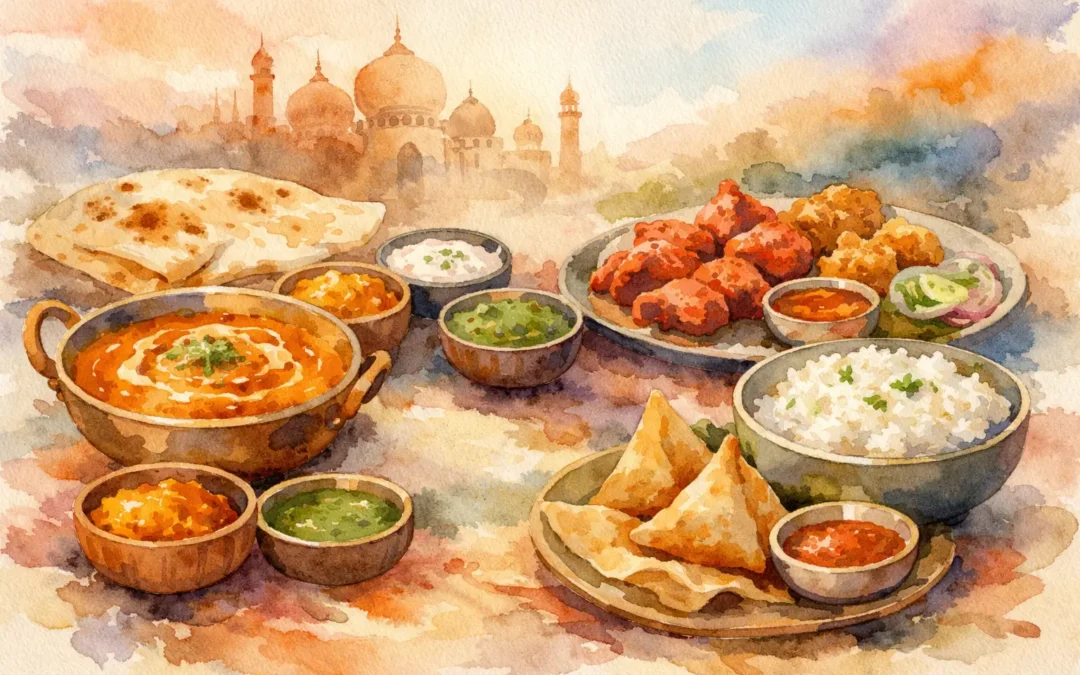
A good Indian takeaway should feel like more than a carton of curry. It is the warm naan ready for tearing and sharing, fragrant rice that carries every spoonful of sauce, and the little extras that turn a quick dinner into a proper meal. But what comes with Indian takeaway can vary from one restaurant and dish to another, so it helps to know what is usually included and what is best ordered separately.
At Worthing Indian Cafe & Bar, the focus is on fresh daily ingredients, authentic Indian spices and generous flavours that travel well from our kitchen to your table. Whether you are ordering a familiar curry after work or putting together a spread for family and friends, a little planning makes all the difference.
What comes with Indian takeaway as standard?
In most UK Indian takeaways, the main dish you choose is supplied on its own. That means a chicken tikka masala, lamb rogan josh, vegetable korma or paneer curry will usually arrive as a portion of the dish and its sauce, but not automatically with rice, naan, poppadoms or side dishes.
This can surprise first-time customers, especially when ordering online. It is not about leaving anything out. Indian food is designed to be shared and combined in different ways, so you can choose the rice, bread and sides that suit your appetite, the number of people eating and the dishes on the table.
Some restaurants may include a small salad, mint sauce or onion garnish with selected starters, while a set meal may include rice, naan or poppadoms as part of the price. Always check the item description when you order, particularly if you are choosing a special offer or a meal for two.
The essentials that complete a takeaway
Curry or main dish
The main dish is the centre of most orders. There are rich, creamy choices such as korma, buttery tomato-based curries and mild tikka masala; fuller-bodied dishes such as madras, jalfrezi and vindaloo; and fragrant regional favourites featuring lentils, spinach, chickpeas, aubergine or fresh herbs.
The heat level matters, but it is not the only consideration. A hot curry can be balanced with plain rice and cooling raita, while a milder sauce may pair beautifully with a more aromatic pilau rice or a spiced side dish. If your group has different preferences, ordering a mix of mild and spicy mains is often better than choosing several dishes with the same flavour profile.
Rice
Rice is one of the most common additions, and plain boiled rice is the dependable choice when the curry is already packed with spice and flavour. It gives you a simple base for enjoying the sauce without competing with it.
Pilau rice is lightly coloured and seasoned, often with fragrant spices. It is a popular choice alongside medium or hot curries, and it can make a modest order feel more substantial. Special fried rice may include vegetables, egg or other ingredients, depending on the recipe, so it is worth checking if anyone in your group has dietary requirements.
As a guide, one rice portion is often enough for one hungry person or two lighter appetites when plenty of bread and side dishes are being shared. It depends on the portion size and how much else is on the table, so for a family order, a mix of rice and naan usually gives the best balance.
Naan, roti and other breads
Indian breads bring a different texture to a takeaway meal. Naan is soft, warm and ideal for scooping up thick sauces. Plain naan is versatile, while garlic naan adds an aromatic edge that works particularly well with grilled meats, lentil dishes and tomato-based curries.
Peshwari naan is sweeter and richer, commonly filled with coconut, almond and dried fruit. It is delicious with hotter curries, although it will not suit every dish or every taste. Keema naan, filled with seasoned minced meat, is a more filling option and can almost become a meal in itself when served with a curry and salad.
Roti or chapati is usually thinner and less rich than naan. It is a great choice if you want a lighter bread or are ordering several dishes to share. Like rice, breads are normally ordered separately rather than included with a main.
Poppadoms, pickles and chutneys
Poppadoms are the crisp, light discs often enjoyed at the beginning of a meal. They may be served with mango chutney, lime pickle, onion salad or mint yoghurt sauce, but these accompaniments are not always included automatically with a takeaway order.
They are a simple addition when you want the meal to feel more like a restaurant occasion at home. The contrast of crunchy poppadom, sweet mango chutney and sharp pickle wakes up the palate before the richer dishes arrive. If you love condiments, order enough for the table rather than assuming they will come with every main.
Starters and sides: where the variety begins
A takeaway can be as simple as a curry, rice and naan. For a more generous meal, starters and sides create the variety that makes Indian food so enjoyable to share.
Starters such as onion bhajis, vegetable samosas, chicken tikka, seekh kebabs or chilli paneer are ideal for groups, but they can also make a relaxed Friday night order feel more special. They are best eaten soon after delivery or collection, while their crisp edges and grilled flavours are at their best.
Vegetable side dishes are equally useful. Saag aloo, Bombay potatoes, tarka dal, chana masala and mixed vegetables add colour, texture and different spices to the meal. They are not just for vegetarians. A lentil or vegetable side can bring freshness and depth alongside a meat curry, while helping an order go further for families and small groups.
Raita is another helpful extra, especially with dishes that carry more heat. This cool yoghurt accompaniment can soften the spice without masking the character of the curry. If you are ordering a madras, jalfrezi or vindaloo, it is a sensible addition for anyone who prefers a gentler finish.
How much should you order?
There is no single rule, because appetite, dish choice and sharing style all play a part. For one person, a main with either rice or naan is usually a satisfying starting point. Add a starter or vegetable side if you want a fuller meal or would like leftovers for lunch the next day.
For two people sharing, two mains, one or two rice portions, and one or two naans is a reliable approach. Choose a starter to share if you are making an evening of it, or add a vegetable side when you want more variety without ordering a third main.
For families and groups, think in contrasts. Include one mild dish, one medium or spicy option, rice for the table, a few breads and at least one vegetable dish. This gives everyone a choice and avoids a meal made entirely of similar sauces. Set meals can be good value for a group, but check exactly what they include, as the combinations differ.
Dietary needs and practical ordering tips
Indian cuisine offers plenty of choice, but ingredients and preparation vary. Vegetarian and vegan dishes are widely available, although dairy can appear in creamy sauces, paneer dishes, naan and raita. Gluten may be present in breads and some starters. If you have an allergy or dietary requirement, let the restaurant know before placing the order rather than relying on a dish name alone.
For delivery, remember that crisp items such as poppadoms, bhajis and samosas are best enjoyed promptly. Curries, rice and breads generally hold their heat well, especially when the order is packed carefully. If you are collecting, head home soon after pickup and serve the food straight away for the freshest experience.
A final practical tip: do not order every extra simply because it is traditional. Choose the dishes you genuinely fancy, then add rice or bread, something fresh or cooling, and one shareable treat if the occasion calls for it. The best Indian takeaway is the one that arrives hot, tastes freshly prepared and gives everyone at the table a reason to reach for one more spoonful.