
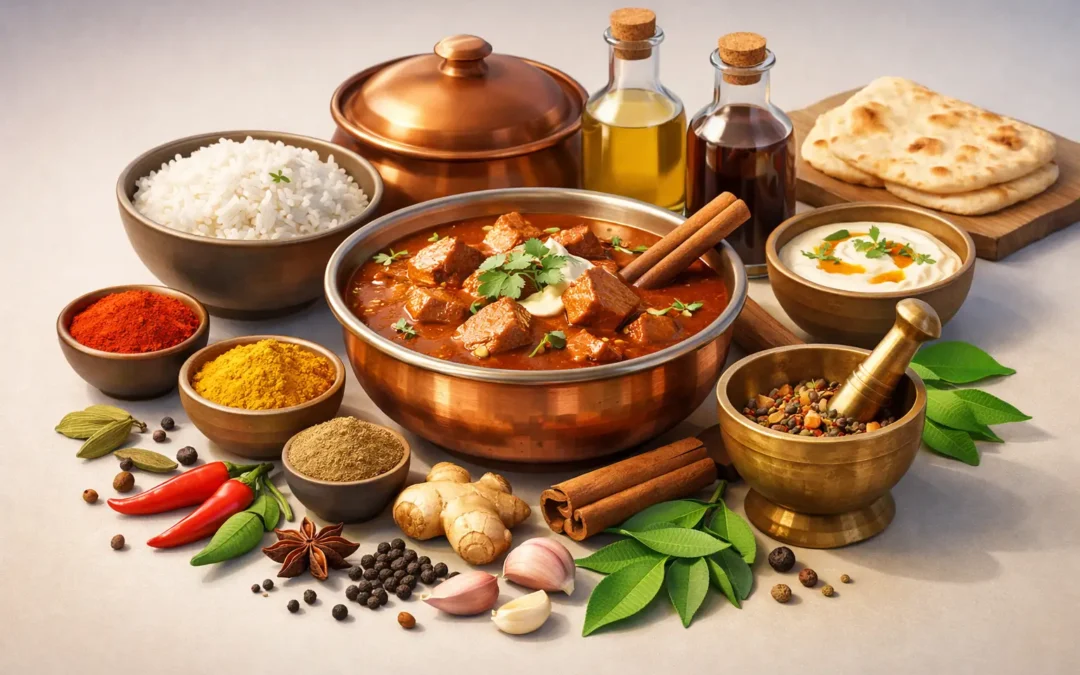
You can usually tell within the first mouthful when a curry has been made with care. The sauce tastes rounded rather than flat, the spice feels layered rather than simply hot, and every ingredient seems to belong there. If you have ever wondered what makes curry taste authentic, the answer is not one magic powder or a single recipe. It is a combination of fresh ingredients, proper cooking methods, balanced seasoning and respect for regional tradition.
That matters whether you are eating in a restaurant, ordering a takeaway on a busy weeknight or choosing food for a family gathering. An authentic curry does not need to be complicated or expensive. It needs to taste true to its roots and properly cooked from the base upwards.
What makes curry taste authentic in the first place?
The biggest misconception is that authenticity means extreme heat. In reality, a truly authentic curry is about depth, balance and character. Some curries are rich and mild, some are bright and tangy, and some are hot enough to make their point straight away. Heat is only one part of the picture.
Authenticity also does not mean there is only one correct version of every dish. Indian cooking is regional, varied and full of family differences. A curry from Punjab will not taste like one from Kerala, and a proper home-style dal will not aim for the same result as a restaurant-style butter chicken. What matters is whether the dish tastes honest to the style it comes from.
The spice blend matters, but so does how it is used
Spices are at the heart of curry, but buying a ready-made blend is not the same as building flavour properly. Authentic taste often starts with whole or ground spices used at the right moment. Cumin, coriander, turmeric, chilli, mustard seeds, fenugreek, cardamom, cloves and cinnamon all bring something different, but they only shine when handled well.
Timing changes everything. Some spices need a quick fry in oil or ghee to release their aroma. Others are better added later so they stay fragrant rather than turning bitter. If spices are rushed, burnt or overused, the curry can taste harsh and dusty instead of warm and full.
This is why a good curry tastes layered. You notice earthiness, sweetness, warmth and gentle bitterness in balance, rather than a one-note hit of chilli powder.
Fresh ingredients give curry its depth
No amount of spice can rescue tired ingredients. Fresh onions, garlic, ginger, tomatoes, chillies and herbs make a noticeable difference to the final dish. They create the base flavour that spices sit on top of.
Onions are especially important. In many curries, they are cooked slowly until sweet and golden, giving body and richness to the sauce. Garlic and ginger add sharpness and warmth. Tomatoes bring acidity and roundness. Fresh coriander can lift a dish at the end and stop it feeling too heavy.
This is one reason freshly prepared curry tastes different from a shortcut version. When ingredients are prepared daily and cooked properly, the flavour is cleaner and more natural. You can taste each part working together.
The base sauce is where real flavour is built
Many people focus on the final spice level, but the base is what gives curry its backbone. In a lot of Indian cooking, flavour is developed step by step. Onions are softened, browned or reduced. Garlic and ginger are cooked until the raw edge goes. Spices are added carefully. Tomatoes are cooked down until the oil begins to separate and the masala tastes concentrated rather than watery.
That stage cannot be skipped if you want an authentic result. A curry made by simply boiling meat or vegetables in a generic sauce will often taste thin. A proper base gives the dish texture, body and that savoury depth people associate with restaurant-quality curry.
It is also where patience shows. Even a quick curry benefits from giving the masala enough time to cook out.
Fat is part of flavour, not the enemy of it
Authentic curry needs the right amount of oil, ghee or butter to carry flavour. This does not mean every curry should be greasy. It means fat helps spices bloom, softens acidity and gives the sauce a fuller mouthfeel.
If there is too little fat, the dish can taste sharp or unfinished. Too much, and it feels heavy. The right balance depends on the curry. A light coastal fish curry might use less fat and lean on coconut or tamarind for character, while a richer North Indian dish may rely on butter, cream or ghee for its signature taste.
This is one of those areas where authenticity depends on the style of dish. There is no single rule, only good judgement.
Regional identity plays a huge part
When people ask what makes curry taste authentic, they often imagine one universal flavour. In practice, authentic Indian curry is incredibly diverse. Regional ingredients and cooking traditions shape the result.
North Indian curries often feature dairy, tomato, garam masala and richer gravies. South Indian dishes may use curry leaves, mustard seeds, coconut, tamarind and black pepper in more prominent ways. Bengali cooking can bring mustard oil and a sharper edge. Goan curries may be tangy, spiced and influenced by vinegar as well as chilli.
So authenticity is not about making everything taste the same. It is about understanding the dish you are making and keeping its character intact. A korma should not taste like a madras, and a jalfrezi should not be turned into a generic creamy sauce.
Texture is part of authenticity too
Taste matters most, but texture tells you a lot about how well a curry has been cooked. Meat should be tender, not stringy or dry. Vegetables should hold their shape if the dish calls for it. Lentils should be soft and comforting without becoming lifeless paste unless that is the intended style.
Sauce consistency matters too. Some curries should coat the spoon thickly. Others are naturally looser and lighter. A dish can have all the correct spices and still miss the mark if the texture feels wrong.
That is why cooking time is so important. Chicken can go dry if left too long. Lamb often needs time to become properly tender. Paneer needs gentle handling so it stays soft rather than rubbery. Good curry is not only seasoned well. It is cooked to the right point.
Balance is what separates good from truly authentic
A curry can contain excellent spices and fresh ingredients but still fall short if the balance is off. Authentic flavour often comes from managing several elements at once: heat, salt, acidity, sweetness and richness.
For example, a tomato-based curry may need enough spice to stop it tasting too acidic. A rich creamy dish may need gentle sweetness and aromatic spice, but also enough savoury depth to avoid blandness. A hot curry should still let you taste the underlying ingredients.
This is where experience shows. The best curries feel complete. Nothing sticks out awkwardly, and nothing seems missing.
Why restaurant curry can taste different from home cooking
Both can be authentic, but they often aim for different things. Home-style curry may be simpler, lighter and built around everyday ingredients. Restaurant curry is often designed to be fuller, more concentrated and immediately satisfying.
That is not a flaw. It is simply a different purpose. A family recipe might focus on comfort and practicality. A restaurant dish needs consistency, speed and strong flavour from the first bite to the last, whether it is served at the table or packed for delivery.
At Worthing Indian Cafe & Bar, that balance matters because authentic Indian flavour needs to hold up just as well for dine-in meals as it does for takeaway and collection. Fresh daily prep, proper spice use and consistency are what keep a curry tasting true, wherever you enjoy it.
What to look for if you want authentic curry
If you are choosing where to eat or order from, look beyond the heat rating. A good authentic curry should taste fresh, well-balanced and distinctive to the dish. You should be able to notice the difference between a creamy curry, a tomato-led curry and a drier spiced dish. They should not all share the same base with a bit more chilli thrown in.
It is also worth paying attention to aroma. Before you even start eating, a proper curry should smell inviting and layered, with spice, herbs and cooked ingredients coming through clearly.
Reasonable pricing and convenience matter, of course, especially on a busy evening. But authenticity shows in the details – how the onions are cooked, whether the spices taste alive, whether the chicken is tender, whether the sauce tastes finished.
The best way to think about it is simple. Authentic curry tastes deliberate. It does not rely on shortcuts, excessive sugar or plain heat to do all the work. It is built carefully from fresh ingredients, traditional spices and the right cooking method for the dish. Once you know that, every good curry becomes easier to recognise – and far more enjoyable to order again.