
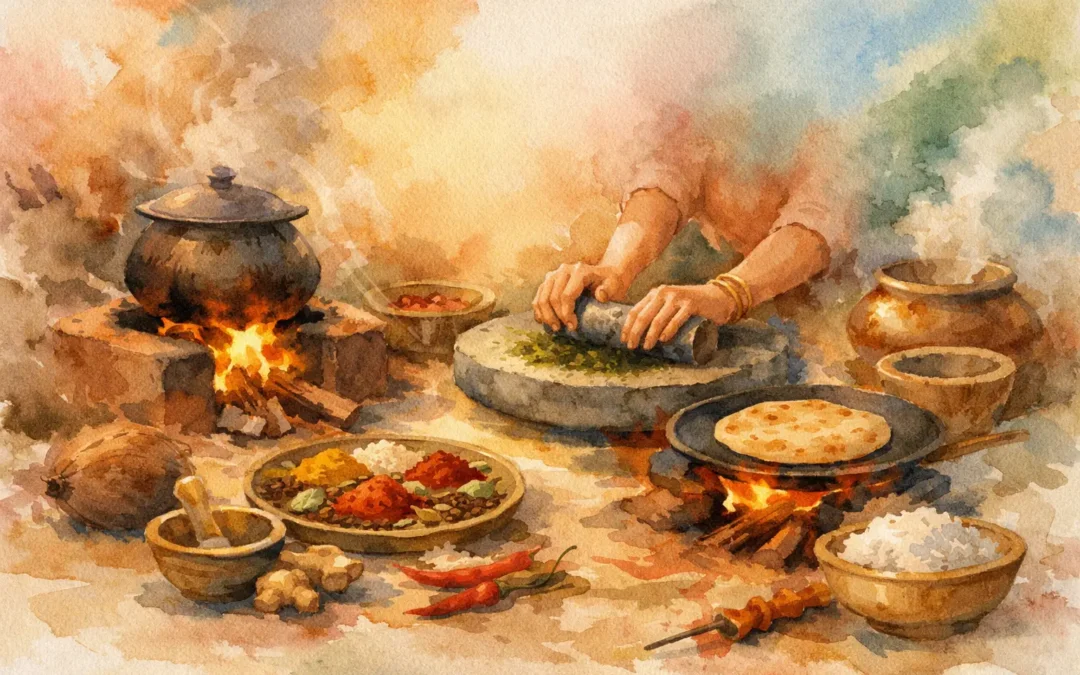
The fragrance that reaches the table before a curry does is rarely down to one ingredient. It comes from timing: whole spices meeting hot oil, onions patiently cooked until sweet, dough blistering against a tandoor wall, or lentils simmering until they become rich and comforting. Traditional Indian cooking methods are built around these small but essential moments, turning fresh everyday ingredients into food with real depth.
For diners, these methods explain why Indian food can feel both bright and deeply satisfying. A freshly made tarka gives a dal its lively finish, while a slow-cooked masala provides warmth that cannot be rushed. At Worthing Indian Cafe & Bar, this respect for authentic spices and fresh daily preparation helps make familiar favourites and regional dishes taste full of character.
Why traditional Indian cooking methods matter
Indian cooking is not one fixed style. Techniques vary between regions according to climate, ingredients, fuel and local taste. Coastal dishes may use coconut, curry leaves and quick tempering; northern cooking often makes more use of dairy, wheat breads and the intense heat of the tandoor. Across the country, however, the principle is similar: build flavour in stages rather than adding everything at once.
That is why a good curry is not simply a sauce with spices stirred in. Aromatics, spices, tomatoes, yoghurt, onions or coconut are cooked in a particular order, with each stage changing their flavour. Heat can release the oils in cumin or mustard seeds. Slow cooking can soften the sharpness of onion and ginger. A final squeeze of lemon, handful of coriander or tarka can lift the whole dish just before serving.
The result is food with balance. Chilli brings heat, but it should not hide the tang of tomato, the earthiness of cumin or the fragrance of cardamom. Traditional preparation gives every element room to do its job.
The key techniques behind authentic flavour
Tarka: the quick finish with a big impact
Tarka, also known as tempering or tadka, is one of the most recognisable Indian cooking techniques. Whole or ground spices are briefly heated in oil or ghee, often with ingredients such as garlic, ginger, chilli, curry leaves or dried red chillies. The hot, scented oil is then added to a dish, commonly dal, vegetables or yoghurt-based preparations.
The timing is crucial. Spices need enough heat to become aromatic, but too much heat can make them bitter. Mustard seeds should pop, cumin should smell nutty, and garlic should turn lightly golden rather than dark brown. This is a fast method, yet it makes a noticeable difference to the finished dish, adding a fresh top note that cannot be achieved by simmering spices in a sauce alone.
Bhuna: building a concentrated masala
Bhuna cooking is about patient frying. Onions, ginger, garlic, tomatoes and spices are cooked over a steady heat until the mixture thickens, darkens and its oils begin to separate. This concentrated base is called a masala, and it gives many curries their rounded, savoury flavour.
It is tempting to hurry this stage, especially at home on a busy weekday. But a lightly cooked onion and tomato sauce can taste raw or overly sharp. Given time and careful stirring, the ingredients become sweeter and fuller. A splash of water may be added as needed to prevent sticking while the masala develops.
Bhuna dishes are often less saucy than a korma or a classic curry. They are ideal when you want bold spice flavour that clings to vegetables, paneer, chicken or lamb. The trade-off is time and attention, but the reward is a sauce with proper depth.
Dum: slow cooking under a seal
Dum cooking uses gentle heat and a tightly covered pot to trap steam. Traditionally, dough could be used to seal the lid, keeping moisture and aroma inside while ingredients cook slowly together. Biryani is perhaps the best-known example, where partly cooked rice, spiced meat or vegetables, herbs and saffron are layered before being finished on dum.
This method is not about boiling ingredients until they lose their character. It is controlled cooking. Rice should remain separate and fragrant, while the flavours beneath it infuse gradually. Dum can also be used for slow-cooked curries, where tougher cuts of meat become tender without the sauce drying out.
It works best with patience and low heat. Too much heat can catch the base of the pan or make the rice heavy, while too little may leave the centre undercooked. Done well, dum creates a dish where every spoonful tastes connected.
Tandoor: fierce heat and smoky edges
A tandoor is a cylindrical clay oven heated to very high temperatures. Naan breads are pressed against its inner wall, while marinated meats, paneer and vegetables cook on skewers. The heat seals the outside quickly, creating charred edges and a gentle smokiness while keeping the inside tender.
Tandoori cooking depends on a good marinade as much as the oven itself. Yoghurt helps tenderise, while spices, ginger, garlic and lemon bring flavour into the food before it reaches the heat. The result should have colour and a light char, not a burnt or dry finish.
A domestic oven can produce tasty grilled dishes, particularly with a hot tray or grill setting, but it will not fully copy the intense, enclosed heat of a clay tandoor. That difference is exactly why freshly cooked tandoori food is such a treat when dining out or ordering it ready to enjoy at home.
Slow simmering: giving curries time
Some of the most comforting Indian dishes rely on a gentle simmer after the masala has been prepared. Dal, chana, lamb curries and many regional gravies improve when flavours have time to settle together. Lentils soften and thicken naturally; spices lose their harsh edges; meat becomes tender and absorbs the sauce.
Slow cooking does not mean every dish should be cooked for hours. Delicate fish, prawns and many vegetables need a shorter cooking time to stay fresh and textured. The skill is knowing what benefits from patience and what needs a quick finish. A spinach dish may only need minutes, while a rich lamb curry can develop beautifully over a longer, slower cook.
Fresh ingredients still make the difference
Traditional methods are powerful, but they cannot rescue tired ingredients. Fresh onions, ripe tomatoes, fragrant herbs and well-kept spices make the work in the pan worthwhile. Whole spices retain their aroma for longer than pre-ground spices, while freshly chopped coriander, mint, ginger and garlic bring brightness that dried alternatives cannot always match.
Daily preparation also matters for texture. Fresh dough makes softer breads. Carefully cooked rice remains light. Vegetables hold their colour and bite when they are not left sitting in sauce for too long. Authentic flavour is not only about heat or a long list of spices. It is about quality, balance and care at each stage.
How to recognise a well-cooked Indian dish
A well-prepared dish should taste layered rather than simply hot. You may notice the sweetness of slow-cooked onions, the warmth of toasted spices and a fresh finish from herbs or citrus. Sauces should feel balanced, not greasy or overly heavy, and every main ingredient should retain its own texture.
There is plenty of room for preference. Some people enjoy a creamy, mild curry; others want the sharper flavours of chilli, tamarind or mustard seeds. The best choice depends on the dish and on what you feel like eating. What remains constant is the care behind it: spices used with purpose, food cooked to order where possible, and flavours allowed to develop properly.
The next time you choose a warming dal, a smoky tandoori starter, a fragrant biryani or a rich bhuna, take a moment to notice the method behind the flavour. That care is what makes Indian food so satisfying, whether it is shared around a restaurant table or enjoyed as a relaxed meal at home.