
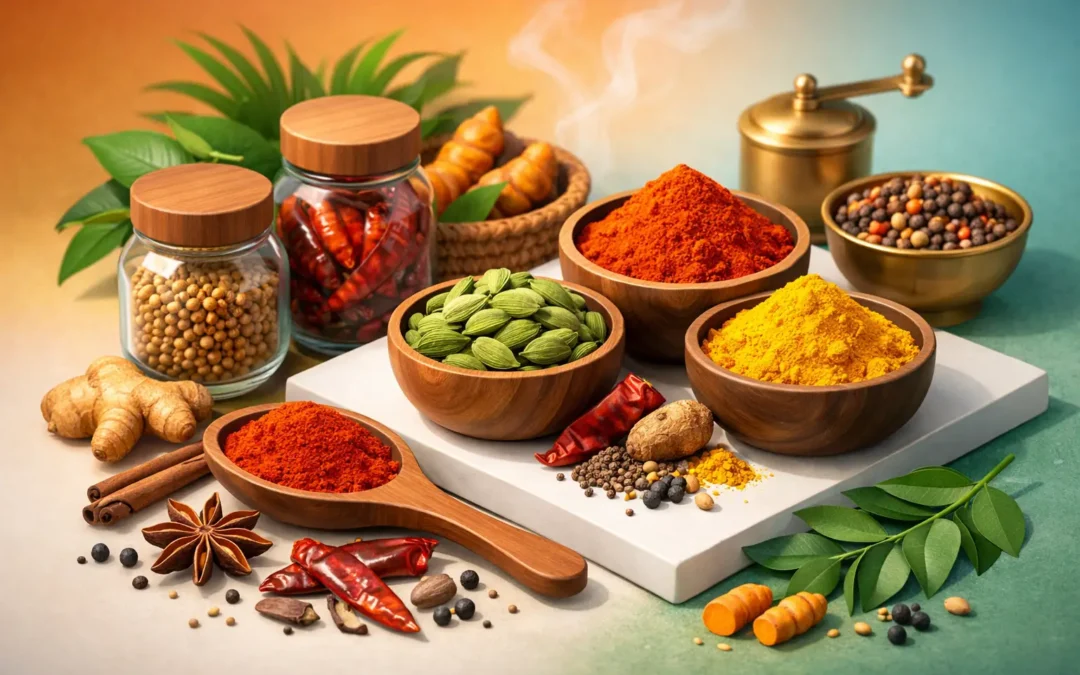
You can taste the difference in the first mouthful. When Indian spice freshness is right, a curry smells fuller, a tandoori dish has more depth, and even a simple side feels brighter on the plate. The warmth is cleaner, the aroma lingers properly, and the layers of flavour come through as they should.
That matters more than many people realise. People often think the secret to good Indian food is just heat, or a long list of ingredients, but freshness plays a huge part in what makes a dish taste authentic and satisfying. Fresh spices do not simply make food hotter. They give balance, fragrance, colour and character.
What Indian spice freshness really means
Freshness is not only about whether a spice is old or new. It is about how well it has held on to its natural oils, aroma and flavour. Spices begin to lose strength over time, especially when they are ground, exposed to air, stored near heat or left in direct light.
That is why cumin can start smelling flat, coriander can lose its citrusy lift, and garam masala can become dull instead of warm and rounded. Turmeric may still look bright enough, but colour alone does not guarantee proper flavour. Chilli powder can still bring heat while losing the richness that gives a curry real depth.
Whole spices usually keep their qualities longer than ground ones, but even they need careful storage and regular rotation. Once a spice loses its fragrance, it cannot bring the same result to the pan.
Why fresh spices change the flavour of a dish
Indian cooking relies on layers. A dish may begin with mustard seeds or cumin in hot oil, followed by onion, garlic, ginger, tomato, turmeric, chilli, coriander and finishing spices. If even one or two of those key elements are tired, the final dish can feel less lively.
Fresh spices create contrast. They bring earthy notes, citrus notes, sweetness, bitterness and gentle warmth that work together rather than blur into one taste. This is especially important in regional Indian food, where the balance between spices is often more important than sheer intensity.
Take a classic curry sauce. With fresh spice blends, the sauce tastes rounded and aromatic. With older spices, it can seem heavy or one-dimensional. The same applies to marinades for tikka dishes, masalas for street food, and dry rubs used on grilled items. Good spice freshness helps every part of the dish taste clearer.
Aroma matters just as much as taste
Before you take a bite, you notice the smell. That first impression is a big part of enjoying Indian food, whether you are sitting down for dinner, opening a takeaway at home or serving food at a family gathering.
Fresh spices release a stronger, more appealing aroma during cooking. Cardamom smells sweet and floral. Cloves bring warmth. Fenugreek has a savoury depth. Freshly used cumin and coriander add the kind of fragrance that makes a dish feel generous and inviting.
When spices are stale, the kitchen does not come alive in the same way. You may still have a decent meal, but it misses that extra pull which makes people eager for the next bite.
The link between freshness and authenticity
Authentic Indian food is not about making everything fiery. It is about getting the right flavour in the right place. Fresh spices are central to that.
A biryani needs fragrance as much as richness. A jalfrezi needs brightness and edge. A korma needs gentle warmth and subtle spice rather than a muddy sweetness. Chaat and street food need lift, sharpness and balance. If the spice cupboard is not properly managed, those dishes drift away from the flavours people expect.
This is where consistency matters. In a restaurant setting, customers want the meal they enjoyed last time to be just as good this time. Fresh daily preparation, careful sourcing and proper spice handling all support that consistency. It is one reason trusted local restaurants stand out.
How spices lose their freshness
There are a few common reasons spices stop performing well. Time is the obvious one, but it is not the only factor. Heat from the cooker, steam from pots and poor storage all shorten a spice’s useful life. Ground spices are especially vulnerable because more of their surface area is exposed.
Buying too much at once can also work against quality. A large tub may look economical, but if it sits for months, the value disappears with the flavour. The best approach is regular turnover and sensible storage.
That is why professional kitchens that care about quality usually keep a close eye on stock, use spices steadily, and prepare blends with purpose rather than letting them linger for too long.
Indian spice freshness in takeaway and delivery food
Freshness matters just as much when food is ordered for home. In fact, it can matter more. A dish travelling in a delivery bag needs strong structure in its flavour so it still tastes balanced by the time it reaches the table.
Fresh spices help dishes hold their character. A curry with a properly fresh masala still tastes vibrant after the journey. Rice dishes remain fragrant. Starters and street food sides feel more appetising, even when enjoyed outside the restaurant.
For busy households, working adults and families ordering midweek meals, that consistency is a real advantage. You want food that arrives tasting like it was made with care, not food that feels tired by the time the lid comes off.
Fresh spice handling in the kitchen
Good results come from more than buying quality spices. The way they are used matters as well. Some spices need blooming in oil to release their flavour. Others are better added later to keep their aroma. Ground spices can catch and burn quickly, which turns warmth into bitterness.
There is also a balance to strike between whole and ground spices. Whole spices often give longer-lasting fragrance, while ground spices blend through sauces more evenly. Used together, they create the depth many people associate with proper Indian cooking.
This is why careful preparation makes such a difference. Fresh ingredients and traditional spices work best when the cooking process respects them. Speed matters in hospitality, but rushing the spice stage usually shows in the final taste.
What diners notice, even if they do not name it
Most customers will not say, “these spices have excellent volatile oil retention”. They will simply say the food tastes fresher, better or more authentic. They might notice the curry has more aroma, the tandoori starter has more character, or the rice smells better the moment it is served.
That reaction is valuable. It is what turns a one-off order into a regular takeaway night, or a casual visit into a favourite local restaurant. Fresh spice flavour builds trust because people can taste the standard for themselves.
At Worthing Indian Cafe & Bar, that focus on fresh daily cooking and authentic Indian spices is part of what makes the food both dependable and full of flavour. Customers want meals that feel special enough for a Friday night and easy enough for a Tuesday evening, all at a reasonable price. Freshness helps deliver both.
Why freshness still needs balance
More freshness does not mean every dish should taste aggressively spiced. Some recipes are meant to be subtle. Others need boldness. The aim is not maximum intensity in every case. The aim is clarity, balance and the right flavour for the style of dish.
A creamy curry still needs gentle spice notes to come through. A hot dish should have flavour behind the heat. Street food should feel lively without becoming chaotic. Fresh spices support that balance because they taste clearer, allowing each recipe to be built properly.
That also helps with wider appeal. For families, couples and groups with different preferences, balanced spice cooking is far more enjoyable than food that overwhelms the palate. Freshness is one of the reasons authentic Indian food can be both vibrant and approachable.
Choosing food that tastes properly fresh
When you are deciding where to eat or order from, freshness is worth paying attention to. A good kitchen should care about more than portion size or heat level. It should care about aroma, colour, depth and consistency.
That is what gives Indian food its real appeal, whether you are ordering a quick takeaway, sitting down for a relaxed meal, or arranging food for a party or family event. Fresh spices make dishes smell better, taste fuller and leave a stronger impression.
The next time a curry arrives at the table and the aroma hits straight away, that is not luck. It is the result of proper ingredients, careful preparation and respect for Indian spice freshness – and that is what turns a meal into one worth coming back for.