
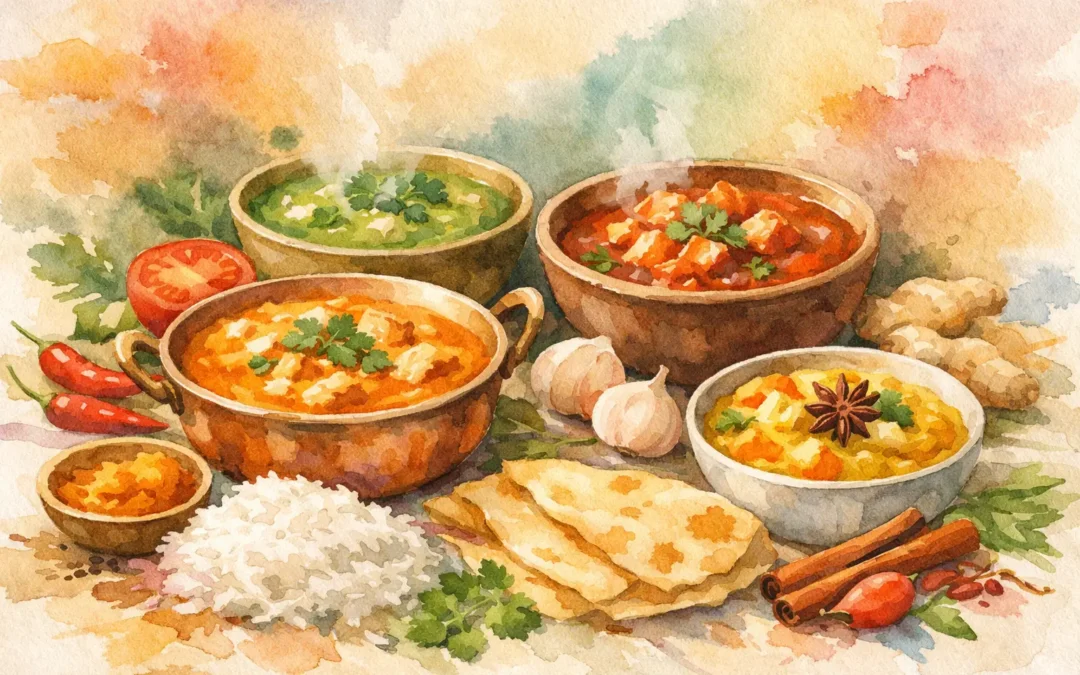
Choosing a curry should not feel like a choice between flavour and feeling good afterwards. If you have ever wondered what are the healthiest curries, the short answer is this: the healthiest options are usually the ones built around lean protein, vegetables, lentils and tomato-based or lightly spiced sauces rather than cream, butter or deep-fried extras.
That does not mean a healthy curry has to be plain. Indian cooking has always relied on spices, herbs, pulses and fresh ingredients to create depth without needing heavy sauces. The key is knowing what makes one dish lighter than another, and where a few simple swaps can make a big difference.
What are the healthiest curries made from?
A healthy curry is not defined by one ingredient alone. It is usually the balance of the dish that matters most. When a curry includes vegetables, beans, lentils or grilled meat, and the sauce is based on tomatoes, onions, garlic, ginger and spices, you are often looking at a better all-round option.
These dishes tend to offer more fibre, steady energy and good flavour without relying on large amounts of cream or ghee. That matters whether you are dining in, ordering a quick midweek takeaway or feeding the family.
The cooking method matters too. Tandoori-style meats, grilled paneer, slow-cooked lentils and vegetable curries can all be satisfying while still feeling lighter than battered starters or very rich house specials. Portion size also plays a part. Even a richer curry can fit into a balanced meal if you keep the sides sensible.
The healthiest curry choices on an Indian menu
If you are scanning a menu and want a reliable place to start, tomato-based curries are often among the best picks. A chicken jalfrezi, for example, is typically cooked with peppers, onions, tomatoes and green chillies, giving you plenty of flavour and texture without a heavy, creamy finish. It has a bold taste, but it can still be one of the lighter choices.
Madras can also be a reasonable option if you enjoy heat. Although recipes vary, it is usually not cream-led. It tends to be based on tomatoes, onion and spices, which means the richness comes more from the cooking than from dairy. If spice is not an issue for you, this can be a better choice than milder but heavier curries.
Rogan josh is another one worth considering. Traditionally, it is built around aromatic spices and a tomato-led base. With lamb it will naturally be richer than chicken or vegetables, but the sauce itself is often lighter than people expect. If you want something hearty without going straight to a cream-based dish, it can be a sensible middle ground.
Dhansak deserves a mention too. Made with lentils, it offers more fibre and can be very filling without depending on butter or cream. The combination of pulses, spices and protein makes it one of the more balanced curries on many menus.
Vegetable curries can be some of the strongest options of all, especially when they include spinach, chickpeas, aubergine, cauliflower or lentils. A well-made vegetable curry gives you plenty of taste and variety, and it often feels satisfying in a way that is lighter than richer meat dishes.
Curries that are usually heavier
There is no need to label any dish as bad. Sometimes you simply want a richer curry, and that is part of enjoying good food. Still, if you are aiming for a lighter meal, it helps to know which dishes are usually more indulgent.
Korma is the obvious example. It is generally made with cream, coconut, ground nuts or a combination of all three. It is mild, smooth and popular for good reason, but it is rarely the lightest option on the menu.
Masala dishes, especially tikka masala, can also be richer depending on the recipe. Some versions lean heavily on cream and butter, while others use yoghurt and tomatoes more sparingly. It really depends on the kitchen.
Makhani and butter-based curries are normally higher in richness as well. They deliver a smooth, comforting sauce, but if your priority is a healthier order, they are best treated as an occasional choice rather than the default.
Protein matters as much as the sauce
When people ask what are the healthiest curries, they often focus only on the sauce. In reality, the protein you choose changes the meal quite a lot. Chicken is often a dependable option because it is lean and takes on spice well. Prawns can be another lighter choice, especially in tomato or garlic-based curries.
Lamb and beef tend to be richer, simply because the meat itself carries more fat. That does not mean they cannot be part of a balanced meal, but they are usually heavier than chicken, fish or a lentil-based dish.
Paneer is a good vegetarian option and provides protein, but it is still a cheese, so it can make a dish more substantial. If you want something vegetarian and lighter, chickpea, lentil or mixed vegetable curries are often better choices.
The healthiest curries are often the simplest
There is a common idea that the healthiest dish must also be the least exciting. Indian food proves the opposite. Some of the best options are simple dishes where spices do the work.
Saag-based curries can be a good example. Spinach brings texture, colour and useful nutrients, while garlic, ginger and spice create plenty of depth. A chicken saag or saag aloo can be a balanced choice, although the final result depends on how much oil or cream is used in the kitchen.
Chana dishes are another smart pick. Chickpeas add fibre and make the meal more filling, which can help you feel satisfied without adding lots of extras on the side. Lentil dishes such as dal are often among the most wholesome choices on the menu as well, particularly when served with a modest portion of rice.
Simple does not mean lacking. It means the ingredients are doing the job naturally.
How to make your curry order healthier
You do not always need to change the curry itself. Often, the biggest difference comes from what you order with it. A generous pilau rice, naan, poppadoms, chutneys and starters can turn even a fairly light curry into a much heavier meal.
If you want a better balance, choose one main, stick to a sensible portion of rice and think carefully about the extras. Plain rice can be lighter than buttery pilau. Tandoori starters are often a better option than deep-fried ones. If you are sharing, ordering a couple of vegetable sides can add variety without making the meal overly rich.
It is also worth remembering that spice does not equal unhealthy. A hotter curry is not automatically heavier. In many cases, a spicy tomato-based dish is actually one of the lighter choices on the menu.
What to look for when ordering locally
Whether you are eating out or ordering in, freshness makes a real difference. Curries made with fresh daily ingredients, handpicked produce and traditional spices tend to deliver more flavour naturally, which means there is less need for overly rich sauces to carry the dish.
At Worthing Indian Cafe & Bar, that balance matters. Authentic Indian flavours should feel approachable for a weekday meal, a relaxed evening out or a family takeaway, and there are plenty of ways to choose something full of taste without going too heavy.
If you are unsure, ask for guidance. A good restaurant will usually point you towards dishes that suit your taste as well as your appetite. Some people want low spice, some want more vegetables, and others want a filling curry that still feels light enough for an ordinary working day. There is no single perfect answer, only the best fit for what you want from the meal.
So, which curry is healthiest?
If you want the clearest answer, look first at jalfrezi, dhansak, saag, chana-based dishes, dal and other tomato or vegetable-led curries with chicken, prawns, lentils or mixed vegetables. They are often the best combination of flavour, satisfaction and balance.
If you prefer something richer, that is fine too. Food should still be enjoyable. The trick is to know the difference between an everyday choice and a treat, and to order with a bit of awareness rather than guesswork.
The healthiest curry is usually the one that gives you plenty of flavour, enough substance and a good mix of ingredients without leaving you feeling weighed down. When fresh spices, vegetables and well-cooked proteins lead the dish, you are already on the right track.