
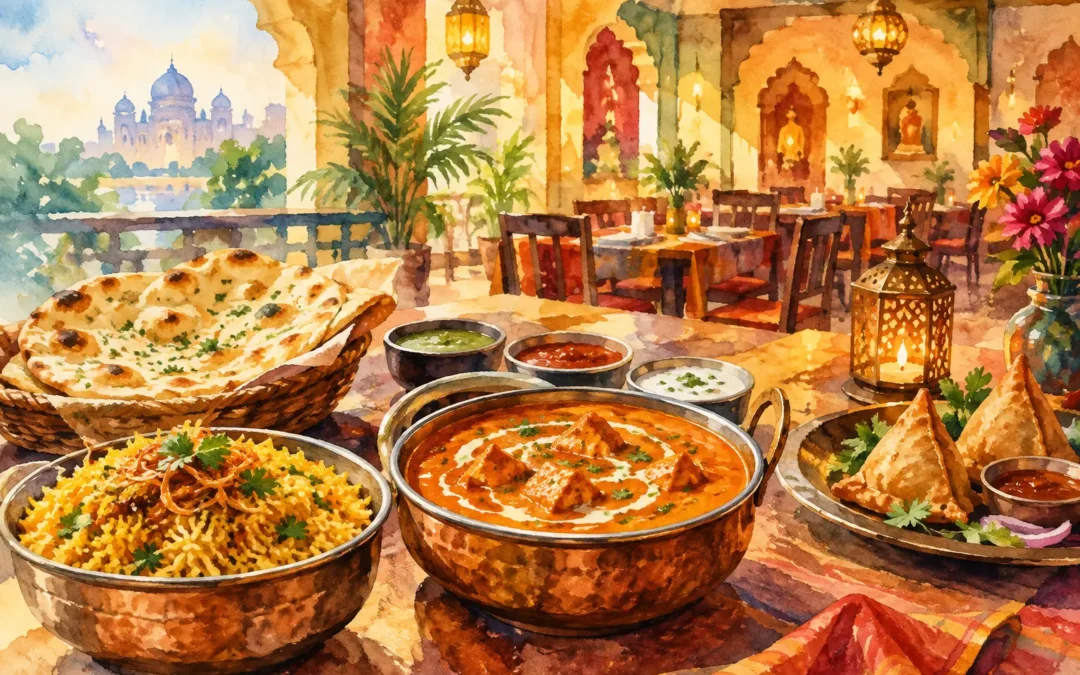
A good meal should feel like more than a quick answer to the question of what is for dinner. The right Indian restaurant brings together fresh food, generous flavour, welcoming service and a menu with something for the whole table. Whether you are planning a relaxed evening out, collecting a weekday curry or arranging food for a celebration, the details matter.
For diners in Worthing, Indian food can be as familiar as a favourite Friday-night order and as exciting as trying a regional dish or street-food starter for the first time. The best restaurants make both experiences easy: authentic flavours without fuss, clear choices and food prepared with care every day.
What to expect from a great Indian restaurant
Indian cuisine is not one single style of cooking. It reflects many regions, ingredients and cooking traditions, from smoky tandoori dishes and rich North Indian curries to bright, spiced street-food favourites. A thoughtful menu gives you trusted classics while leaving room to try something new.
That balance is useful when people are ordering together. One person may want a comforting chicken korma, another a hot lamb vindaloo, while someone else is looking for a vegetable dish with plenty of character. A good restaurant should make it simple to build a meal around different tastes, appetites and spice preferences.
Authenticity does not mean making every dish fiercely hot. Traditional Indian spices create depth as well as heat. Cumin, coriander, turmeric, cardamom, ginger, garlic, chilli and fresh herbs all have their place, but they should work together rather than overpower the main ingredients. A mild curry can still be full of flavour, and a hotter dish should have warmth, fragrance and balance.
Freshness is equally important. Dishes prepared with fresh daily ingredients have clearer flavours, better texture and the kind of aroma that makes the meal feel properly satisfying. From crisp onions and fragrant herbs to tender meat and carefully cooked sauces, the quality of the produce shows on the plate.
Fresh ingredients make the difference
It is easy to think of curry as simply a sauce and a main ingredient, but the preparation behind it is what separates an ordinary meal from one you remember. Fresh onions, tomatoes, garlic and ginger create the base of many dishes. Spices are added at the right stage to bring out their aroma, while slow cooking allows the flavours to develop properly.
The same care matters for starters and sides. A well-made samosa should have a crisp pastry and a filling with real seasoning. Onion bhajis should be light enough to enjoy before a main course, not greasy or heavy. Freshly cooked naan should be soft, warm and ready to scoop up every last bit of sauce.
There is a practical benefit, too. Fresh preparation gives customers confidence whether they are eating in or ordering at home. Food needs to travel well for takeaway and delivery, but it should still arrive tasting like a restaurant meal rather than an afterthought. Good packaging and prompt service help, yet the quality of the cooking remains the starting point.
Classic curries and Indian street food belong together
Classic curries are classics for a reason. A creamy korma, a rich tikka masala, a warming madras or a deeply spiced jalfrezi can suit different moods and different spice levels. They are comforting choices for a family dinner, a quiet night in or a table where everyone knows exactly what they fancy.
But an Indian menu should not stop there. Street food brings a different kind of enjoyment: bold seasoning, texture and dishes made for sharing. Chaat-inspired plates, crispy bites, grilled kebabs and spiced starters can turn a simple meal into a more social occasion. They are especially useful when friends want a few things in the middle of the table before choosing their mains.
The best choice depends on the occasion. For a quick midweek meal, a favourite curry with rice and naan may be all you need. For a Friday evening with friends, starters, side dishes and a mixture of curries create more variety. If you are ordering for a group, include a range of mild, medium and hot dishes so nobody has to compromise.
Vegetarian choices should feel just as considered as meat dishes. Lentils, chickpeas, paneer, potatoes, spinach and seasonal vegetables are central to Indian cooking, not merely substitutes. A satisfying vegetable curry has its own identity, with flavour and texture that stand up confidently alongside chicken, lamb or seafood.
Choosing an Indian restaurant for every occasion
Convenience matters, particularly when life is busy. A restaurant that offers dine-in meals, table bookings, click and collect, takeaway and delivery gives you the freedom to choose what suits your day. You may want a warm table and a relaxed meal after work, or you may prefer to put your feet up at home while dinner comes to you.
For collection orders, a clear menu and reliable timing make all the difference. You should be able to choose familiar favourites, add rice, breads and sides, and know your meal will be ready when expected. For delivery, consistency is key. Customers return to the places that provide generous portions, food that arrives hot and flavours they can rely on.
Eating out has its own appeal. A welcoming dining room gives couples, families and small groups a chance to slow down, share dishes and enjoy a meal without cooking or washing up. Friendly service should be attentive but easy-going, helping guests choose dishes without making the experience feel formal.
Private parties and functions need the same dependable approach on a larger scale. Food is often one of the first things people remember about a birthday, family gathering or work celebration. A flexible menu, straightforward planning and a good mix of crowd-pleasing dishes can take pressure off the organiser and make guests feel properly looked after.
Value is about more than the price
Reasonable pricing does not mean cutting corners. It means serving food that feels worth ordering again: quality ingredients, proper portions, flavours made with traditional spices and choices for different budgets. Customers should be able to enjoy a casual curry on a Tuesday as comfortably as they can order a larger meal for a special occasion.
Value also comes from choice. Sharing a few starters can make a meal feel generous without turning it into an expensive night out. Rice, naan, chutneys and vegetable sides can be added according to appetite. Families can choose dishes for children or cautious eaters alongside more adventurous options for those who enjoy extra chilli and spice.
At Worthing Indian Cafe & Bar, the aim is simple: authentic Indian flavours, fresh daily ingredients and food that fits real local life. That might mean a quick collection after work, a relaxed meal with friends or a table full of dishes for a family celebration.
How to order with confidence
If you are trying a new dish, begin with what you already enjoy. Fans of creamy sauces may like korma or butter-style dishes, while those who prefer tomato-led, fuller flavours may choose tikka masala or balti. If you enjoy heat, ask for a madras, jalfrezi or vindaloo, but remember that spice preference is personal. Medium can be ideal for one diner and too hot for another.
A balanced order usually includes a main dish, rice or bread, and perhaps one side to share. Pilau rice adds fragrance, plain rice lets the curry lead, and naan is ideal for richer sauces. Add a vegetable side or dal when you want more variety, especially for a group meal.
The most rewarding Indian meals are the ones that suit the people around the table. Choose the dishes you love, add one new flavour to try, and leave room to share something warm, freshly cooked and full of spice.