
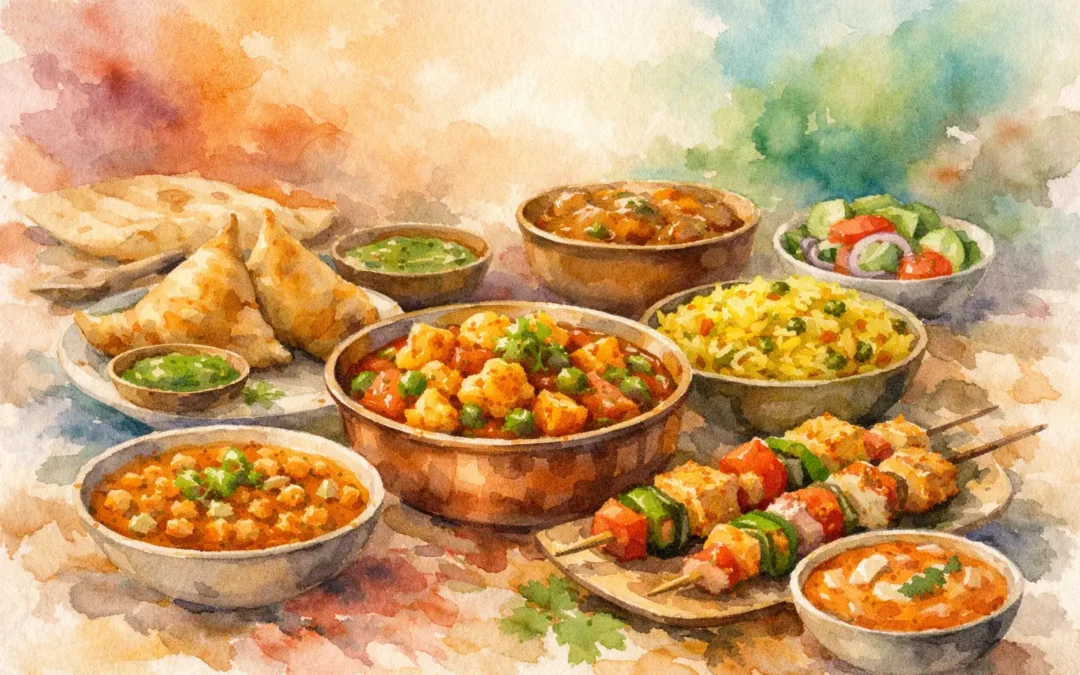
A fragrant bowl of chana masala, a warming dal and crisp vegetable pakoras can all feel made for a plant-based table. So, can Indian food be vegan? Absolutely – but, as with any cuisine, the answer depends on the recipe, the cooking fat and the finishing touches. Indian food offers an exceptional range of naturally plant-based flavours, from slow-cooked pulses and seasonal vegetables to bright chutneys, toasted spices and tangy pickles.
For diners in Worthing looking for a satisfying vegan meal, there is plenty to enjoy beyond a plain side dish. The key is knowing which ingredients to look out for and asking a simple question when ordering. A good Indian kitchen can bring real depth to vegan dishes without relying on cream, butter or paneer.
Can Indian Food Be Vegan Without Losing Flavour?
Yes. The bold character of Indian cooking comes from spices, herbs, onions, ginger, garlic, tomatoes, chillies, lentils and carefully balanced seasoning – not from dairy alone. Cumin, coriander, turmeric, mustard seeds, cardamom and garam masala each add their own warmth and aroma. Coconut, cashews, roasted vegetables and pulses can also create a full, satisfying texture when used in the right recipe.
India is a vast country with many regional food traditions, so there is no single definition of Indian food. Some regions use plenty of yoghurt, ghee and cream, while others have long-standing dishes built around chickpeas, lentils, vegetables, rice and coconut. South Indian cooking, for example, often makes excellent use of lentils, tamarind, curry leaves and coconut. Across the country, home-style vegetable and dal dishes can be naturally vegan or easy to prepare that way.
That variety is good news for vegan diners. It means a well-chosen Indian meal can be colourful, filling and full of authentic spice, rather than feeling like a compromise.
Naturally Vegan Indian Dishes to Look For
Many favourites start with plant-based ingredients. Chana masala is made with chickpeas in a spiced tomato and onion sauce. It is hearty, gently tangy and ideal with plain basmati rice or a vegan-friendly bread. Aloo gobi combines potato and cauliflower with turmeric, ginger and warming spices, while bhindi dishes bring out the savoury flavour of okra with onions and fresh seasoning.
Dal is another excellent choice. Lentils are cooked until tender and then finished with a fragrant tempering of spices, often called a tadka. The result can be simple and comforting or rich with garlic, tomato and chilli. However, traditional dal tadka is sometimes finished with ghee, so it is always worth checking how it is prepared.
Vegetable curries can also be vegan, particularly tomato-based or coconut-based recipes. Mixed vegetables, aubergine, peas, potatoes and spinach all work beautifully with Indian spices. Baingan bharta, made with smoky roasted aubergine, is often suitable too, although recipes vary from kitchen to kitchen.
For a lighter bite, vegetable samosas and onion bhajis may be vegan, as their pastry or batter is commonly made without eggs or dairy. The word may matters here. Recipes differ, and fried items can sometimes share oil with non-vegan food. If you follow a strict vegan diet, ask the restaurant to confirm both the ingredients and preparation.
The Ingredients That Need a Quick Check
Indian cuisine has many vegan-friendly options, but a few traditional ingredients are easy to miss. Ghee, a clarified butter, is commonly used to add richness to curries, rice and lentils. Butter and cream are frequent in restaurant-style sauces, especially in milder, richer curries. Yoghurt may be used in marinades, sauces, raita and some breads.
Paneer is another ingredient to watch for. This fresh Indian cheese is delicious for vegetarian diners, but it is not vegan. Dishes with names such as palak paneer, matar paneer or paneer tikka need an alternative choice if you avoid dairy.
Bread can be the biggest surprise. Naan often contains yoghurt, milk, butter or ghee, and it may be brushed with butter after cooking. Chapati or roti is more likely to be made from wholemeal flour, water and salt, but some kitchens use oil, ghee or butter. Plain rice is often a dependable side, though pilau rice can occasionally be cooked with ghee.
Then there are the extras. Mint sauce and raita commonly contain yoghurt. Some chutneys are vegan, especially tamarind or coriander chutney, but it is sensible to ask. Pickles may be suitable, although individual recipes vary. These small details are why clear communication matters more than assuming a dish is plant-based because it contains vegetables.
How to Order Vegan Indian Food With Confidence
When ordering, be direct and specific. Saying that you are vegan, rather than simply vegetarian, helps the team understand that dairy, eggs and ghee need to be avoided as well as meat and fish. Ask whether the dish can be made without butter, cream, yoghurt, ghee or paneer. For strict vegans, it is also reasonable to ask about shared fryers and cross-contamination.
A helpful order might be a chickpea or lentil curry prepared without ghee, a dry vegetable dish, plain basmati rice and a suitable chutney or pickle. This gives you contrasting textures and plenty of flavour without depending on dairy-based sauces. If a dish is traditionally creamy, ask whether the kitchen has a naturally vegan alternative rather than requesting several major changes to a recipe.
There is a balance to keep in mind. A restaurant may be able to omit butter from a sauce, but that does not always mean the final dish will taste as intended. Often, the best vegan choice is a dish that was designed around vegetables, pulses and spices from the beginning. It is likely to be fresher, more balanced and closer to the authentic character of the recipe.
At Worthing Indian Cafe & Bar, letting the team know your dietary requirements when you order gives them the best opportunity to guide you towards suitable dishes and preparation options. Whether you are dining in, collecting a weekday takeaway or arranging food for a group, a quick conversation can make your meal both enjoyable and reassuring.
A Vegan Indian Meal That Feels Complete
A satisfying Indian meal is all about balance. Start with a crisp vegetable side or a samosa if confirmed vegan, then choose a main based on chickpeas, lentils or vegetables. Add rice or a suitable bread for comfort, and bring brightness with a tangy chutney, lemon or pickle. You do not need a creamy curry to create a generous, restaurant-quality plate.
Protein is often easier to find than people expect. Chickpeas, lentils, kidney beans and peas all contribute to a filling meal, while potatoes, aubergines, cauliflower and spinach offer texture and substance. Pairing a dal with a vegetable dish is a particularly good way to enjoy variety, especially when sharing.
Heat is personal, so do not assume vegan means fiery. Indian food can be mild, warming, hot or intensely spicy depending on the dish and your preference. Tell the restaurant how much heat you enjoy. Freshly prepared food should suit your taste, not leave you reaching for water after every bite.
Vegan Choices for Takeaway, Delivery and Groups
Plant-based Indian food travels well. Lentil dishes, chickpea curries, vegetable sides and rice retain their flavour and texture on the journey home, making them practical for busy evenings. For family meals and small gatherings, ordering a selection of vegan-friendly dishes also gives everyone something generous to share.
For a party or function, provide dietary requirements early. This allows the menu to be planned properly rather than treating vegan guests as an afterthought. A thoughtful selection of spiced vegetables, pulses, rice and fresh accompaniments can sit confidently alongside the rest of the spread.
The best vegan Indian meal is not about removing everything that makes a curry enjoyable. It is about choosing dishes where fresh daily ingredients and traditional spices do the talking. Ask clearly, choose recipes with a naturally plant-based foundation, and enjoy the generous flavour that Indian cooking does so well.